
The United States completed its 12th consecutive night of strikes on Iran on July 22, with U.S. Central Command forces hitting Iranian military targets including maritime capabilities, missile and drone storage facilities, and coastal surveillance sites, according to an official CENTCOM statement released July 23. The escalation marks a dramatic resumption of military operations that began after President Trump declared the ceasefire agreement with Iran “over” on July 8, citing Iranian attacks on commercial vessels in the Strait of Hormuz.
The current strike campaign traces directly to the collapse of a ceasefire that Trump had extended indefinitely on April 21, 2026, and later reinforced through a June 2026 memorandum of understanding. The agreement had included sanctions waivers allowing Iran to resume crude oil exports and reopening the Strait of Hormuz, which carries roughly 20 percent of global oil trade. However, tensions reignited when Iran continued attacking ships in the strategic waterway, prompting the Trump administration to resume offensive operations.
On July 7-8, the first wave of renewed strikes targeted over 170 Iranian military positions across two nights. The U.S. military struck approximately 80 targets on July 7 in response to Iranian attacks on three commercial vessels, then hit roughly 90 additional targets the following night, according to reporting on the ceasefire collapse. U.S. Central Command stated the strikes aimed to “further degrade Iran’s ability to attack commercial shipping and innocent civilian mariners in the Strait of Hormuz,” targeting air defense systems, coastal surveillance assets, missile and drone storage sites, and military logistics infrastructure.
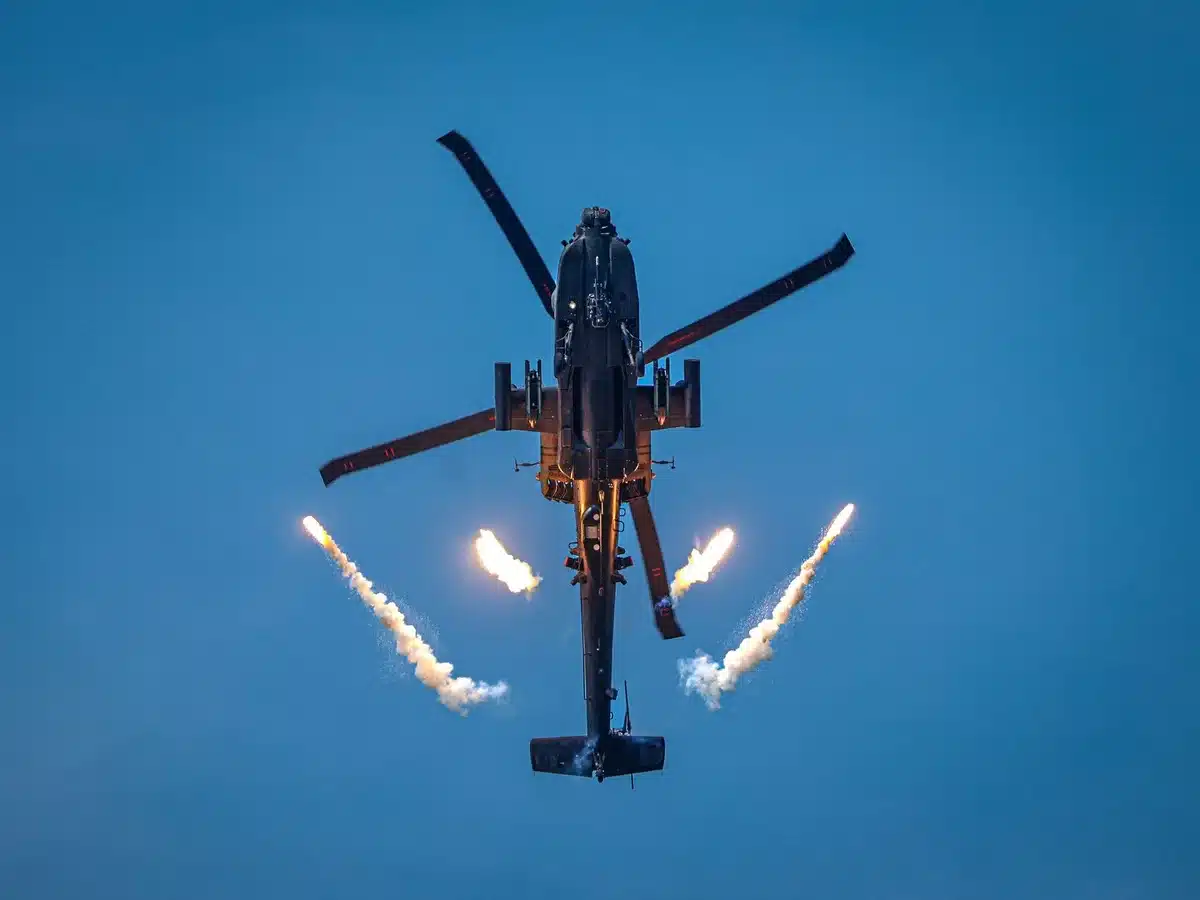
Iran’s Islamic Revolutionary Guard Corps responded with retaliatory strikes on U.S. military bases in Kuwait and Bahrain in the early hours after the initial American strikes, calling the attacks the “first phase of the punitive response against the American treaty-breakers,” according to the ceasefire collapse reporting. Mohammad Bagher Ghalibaf, Iran’s chief negotiator, said on social media that America “still hasn’t learned that bullying and breaking promises are no longer cost-free.”
The renewed conflict has sent shockwaves through global energy markets. Oil prices surged 6% to $78.96 per barrel for Brent crude following Trump’s ceasefire declaration on July 8, with West Texas Intermediate climbing to $74.70. The price spike reversed months of stability under the ceasefire agreement, when crude had tumbled as much as 15 percent after Trump first announced a two-week ceasefire on April 8, 2026. The Trump administration simultaneously revoked the general license that had allowed Iran to export crude oil, effectively reimposing sanctions on Iranian petroleum sales.
The 12-night strike campaign represents a significant military escalation. U.S. forces have deployed B-1 long-range bombers and other aircraft across the Middle East, with more than 50,000 U.S. service members operating across the region, according to CENTCOM. This month alone, American forces have targeted dozens of Iranian military sites on land while resuming a blockade against Iran at sea, redirecting nine commercial vessels and disabling one to prevent ships from entering or departing Iranian ports.
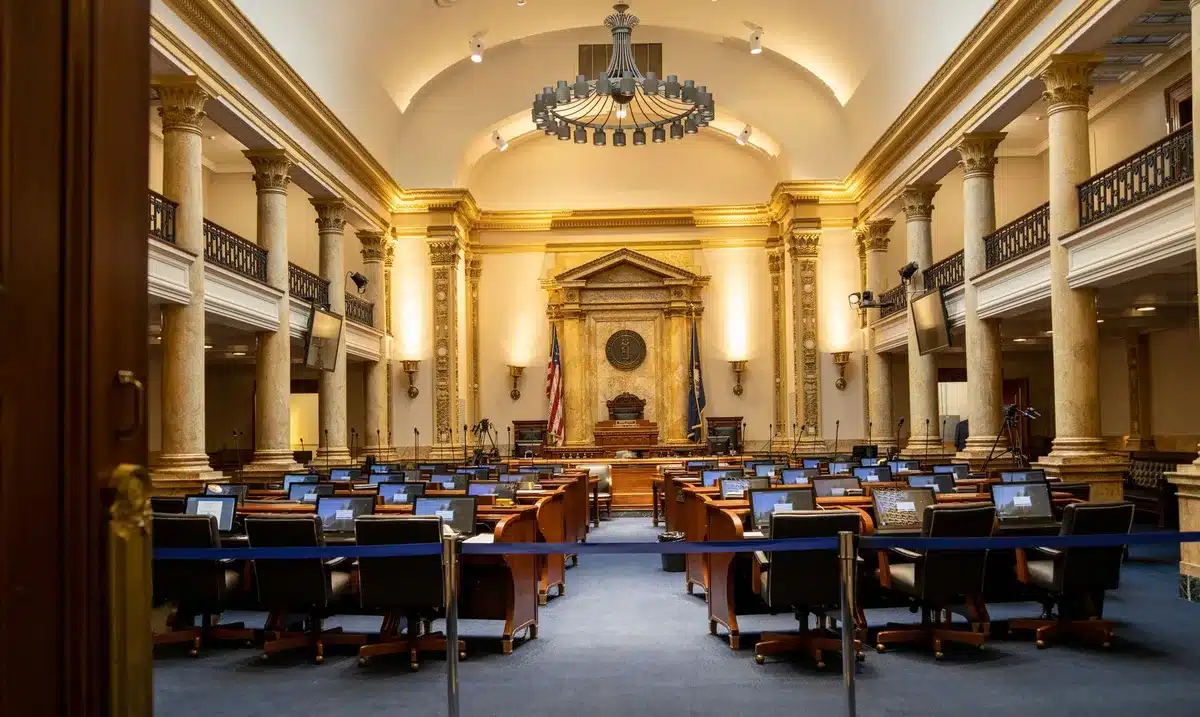
The military campaign has prompted significant political action. The House approved a $95 billion budget framework on July 23 to fund the escalating conflict, narrowly passing the resolution in a 216-214 party-line vote. The White House had requested $87.6 billion in supplemental funding in late June, with the bulk designated for the Iran war. According to testimony from Defense Secretary Pete Hegseth, the Iran war has already cost $37.5 billion since fighting began in February 2026, with the request including $21 billion to recoup munitions used in the campaign.
The narrow House vote underscores deep partisan divisions over the war. Democrats have opposed the funding request, with some lawmakers introducing legislation to block appropriations for the conflict. Some Republican senators have also expressed skepticism about additional spending, though the party-line budget resolution advanced without Democratic support. The $95 billion package must still clear the Senate, where its fate remains uncertain amid bipartisan opposition.
Both the United States and Iran have now escalated their rhetoric around civilian infrastructure. Trump has threatened to destroy Iranian bridges and power plants if Iran continues escalating, while Iranian officials have warned of targeting U.S. civilian assets in retaliation. Despite the military escalation, Trump told journalists on July 9 that Iranian officials had called “just a little while ago” wanting to make a deal “so badly,” though he expressed doubt about whether Iran was “worthy” of a deal or would honor any agreement.
Brent crude prices have continued to surge as the conflict escalates, with the Strait of Hormuz remaining the focal point of renewed hostilities. The disruption threatens millions of barrels per day of global supply, keeping oil prices elevated and triggering fuel cost increases across importing nations. Any renewed closure or military action near the waterway could amplify the current price pressures into a sustained rally, with markets remaining sensitive to headlines from the region.
Sources
- U.S. Central Command (CENTCOM) — Official statement confirming 12th consecutive night of strikes on July 22, targeting maritime capabilities, missile and drone storage facilities, and coastal surveillance sites; details on 50,000+ U.S. service members deployed and nine vessels redirected
- ECIKS.org — Reporting on Trump’s July 8 ceasefire declaration, 170 targets hit over two nights, Iranian retaliatory strikes, and the $95 billion House budget vote on July 23
- ECIKS.org (Oil Prices) — Coverage of 6% oil price surge to $78.96/barrel Brent crude following ceasefire collapse, reimposition of Iran oil export sanctions, and historical context on April 2026 ceasefire-driven price decline
- Reuters — Reporting on U.S. and Iran infrastructure targeting, Strait of Hormuz shipping disruptions, and ceasefire collapse details
- Al Jazeera — Coverage of U.S. strikes on Iran, Iranian retaliatory strikes, and civilian infrastructure threats from both sides
- The New York Times — Reporting on U.S. strikes targeting Iranian infrastructure and the escalation of civilian asset threats
- Associated Press — Coverage of the 12th night of strikes and both sides threatening civilian infrastructure