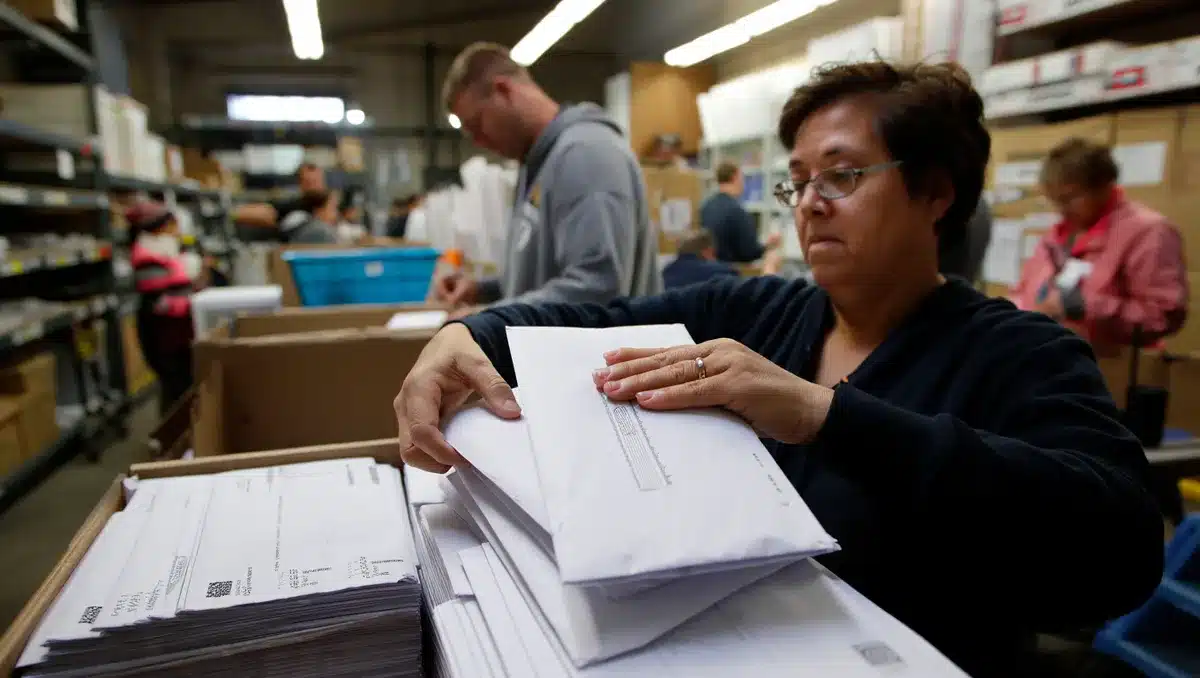
Nearly 148,000 mail ballots were rejected in California’s June 2026 primary election, marking a sharp spike in rejections compared to recent election cycles and raising fresh concerns about voting access and postal service operations.
The rejection rate of 1.73 percent — affecting 148,241 ballots out of all mail votes cast — represents a significant increase from the 2024 primary, when 108,982 ballots were rejected at a 1.56 percent rate, and the 2022 primary, which saw 105,818 rejections at a similar rate. The higher number reflects both increased mail ballot usage and a steeper rejection rate, according to data compiled by California’s secretary of state.
Late-arriving ballots drove the rejections. Of the nearly 150,000 rejected ballots, 93,479 were set aside for lateness — a substantial jump from about 70,000 in the 2022 primary and roughly 76,000 in the 2024 primary. Voting experts suspect that ballots arrived after Election Day because their postmarks were dated too late to count, not because they failed to reach election offices in time. California law allows mail ballots to arrive up to seven days after Election Day and still be counted, provided the envelope is postmarked by Election Day itself.
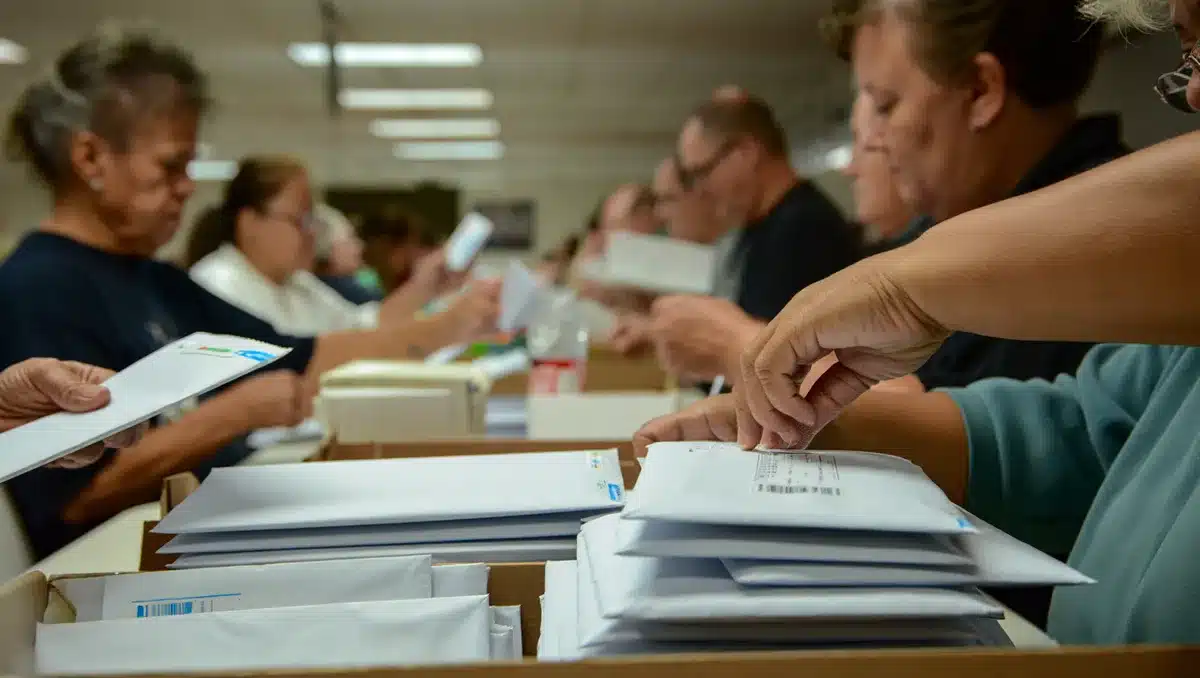
The culprit may be recent changes to U.S. Postal Service procedures. In January, a group of mostly Democratic U.S. senators sent a letter to the Postal Service expressing alarm that mail-processing changes could affect postmark dates on mail-in ballots during the 2026 election year. The updated agency policy means postmarks may no longer indicate the first day the Postal Service received mail, but rather the day it was handled at one of its processing centers — facilities increasingly located further from some communities due to recent consolidations. Those delays in processing could push postmark dates beyond the Election Day deadline.
Kim Alexander, president of the nonpartisan California Voter Foundation, emphasized the severity of the trend. “Ballots rejected due to lateness are caused primarily to being postmarked too late to count, not because they arrived too late to count,” Alexander wrote in an email to reporters. The jump in rejected ballots because of lateness “does really demand the question why this is happening,” said Mindy Romero, director of the Center for Inclusive Democracy, a nonpartisan research group.
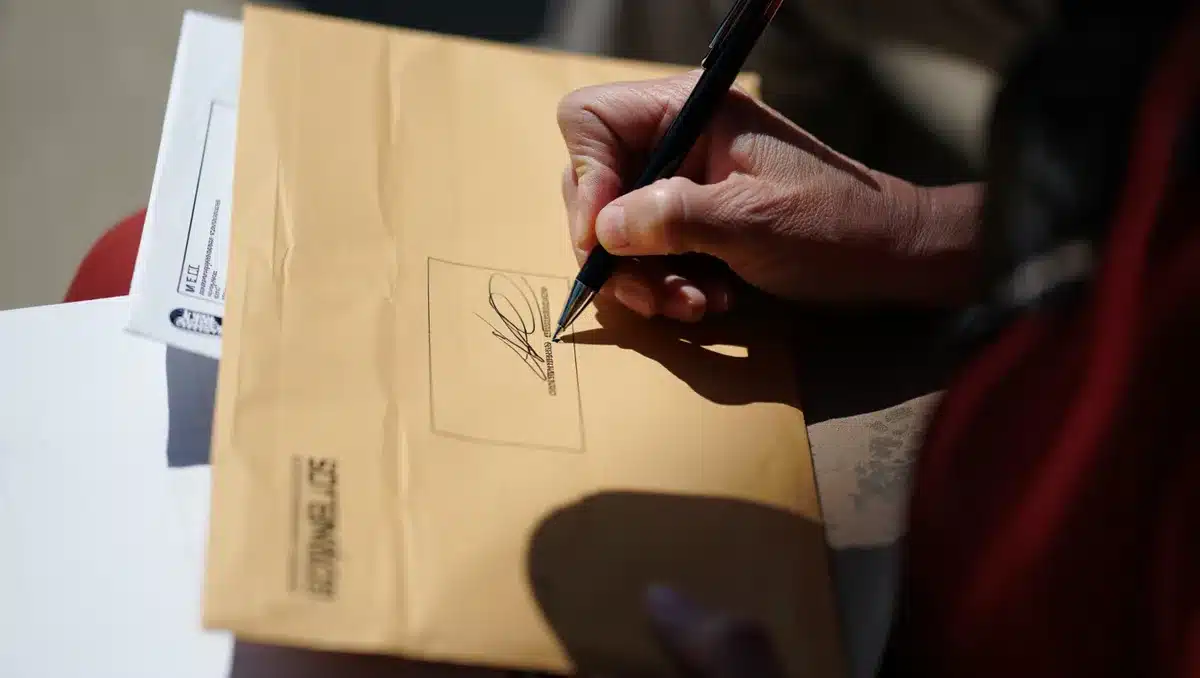
Beyond lateness, signature issues accounted for thousands of rejections. Nearly 44,000 ballots were set aside because the voter’s signature did not match the one on record with county officials. Over 8,300 ballots were rejected because they carried no signature on the return envelope. In 743 cases, voters had already cast a ballot in person, making the mail ballot redundant and void. Other rejections stemmed from missing ballots inside the envelope or multiple ballots returned in a single envelope.
Regional disparities emerged in the rejection data. Tulare County, in the agriculture-heavy Central Valley, recorded the highest rejection rate at 3.52 percent, followed by Alpine County, south of Lake Tahoe, and Merced County, also in the Central Valley, each at 3.36 percent. The data did not break down rejections by party registration, leaving questions about whether the spike affected voters across the political spectrum equally.
California election officials have long urged voters to return mail ballots early to avoid postal delays. The state has become notorious for its slow vote counts, which can drag on for weeks or longer — a reputation that contrasts sharply with faster-counting states like Florida and Texas. Earlier this year, California election officials renewed warnings about Postal Service changes, urging voters to send ballots early. President Donald Trump seized on California’s slow counting pace after the June primary to renew criticism of the state’s elections, and his Department of Justice launched an investigation into Los Angeles County’s election operations.
Voting experts stress there is no indication of widespread mail voting fraud. A 2025 Brookings Institution report found that mail voting fraud cases were minuscule — about four cases per 10 million mail ballots nationwide. Mail voting has grown in popularity among both Democrats and Republicans, with the vast majority of California voters relying on mail ballots in recent election cycles.
Sources
- Mercury News / Associated Press — detailed breakdown of rejection numbers, categories, reasons, and expert commentary from Kim Alexander and Mindy Romero
- California Secretary of State — official state data on vote-by-mail ballot rejection rates and reasons for rejection