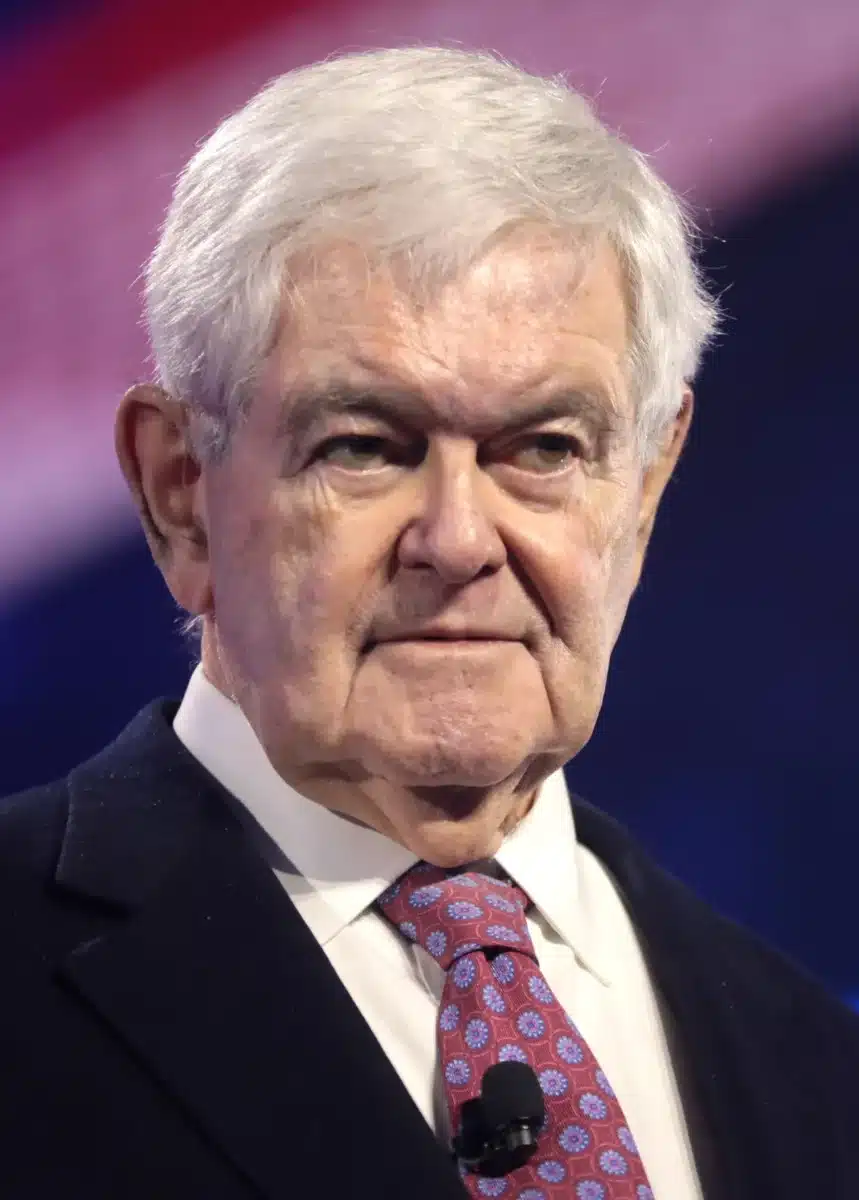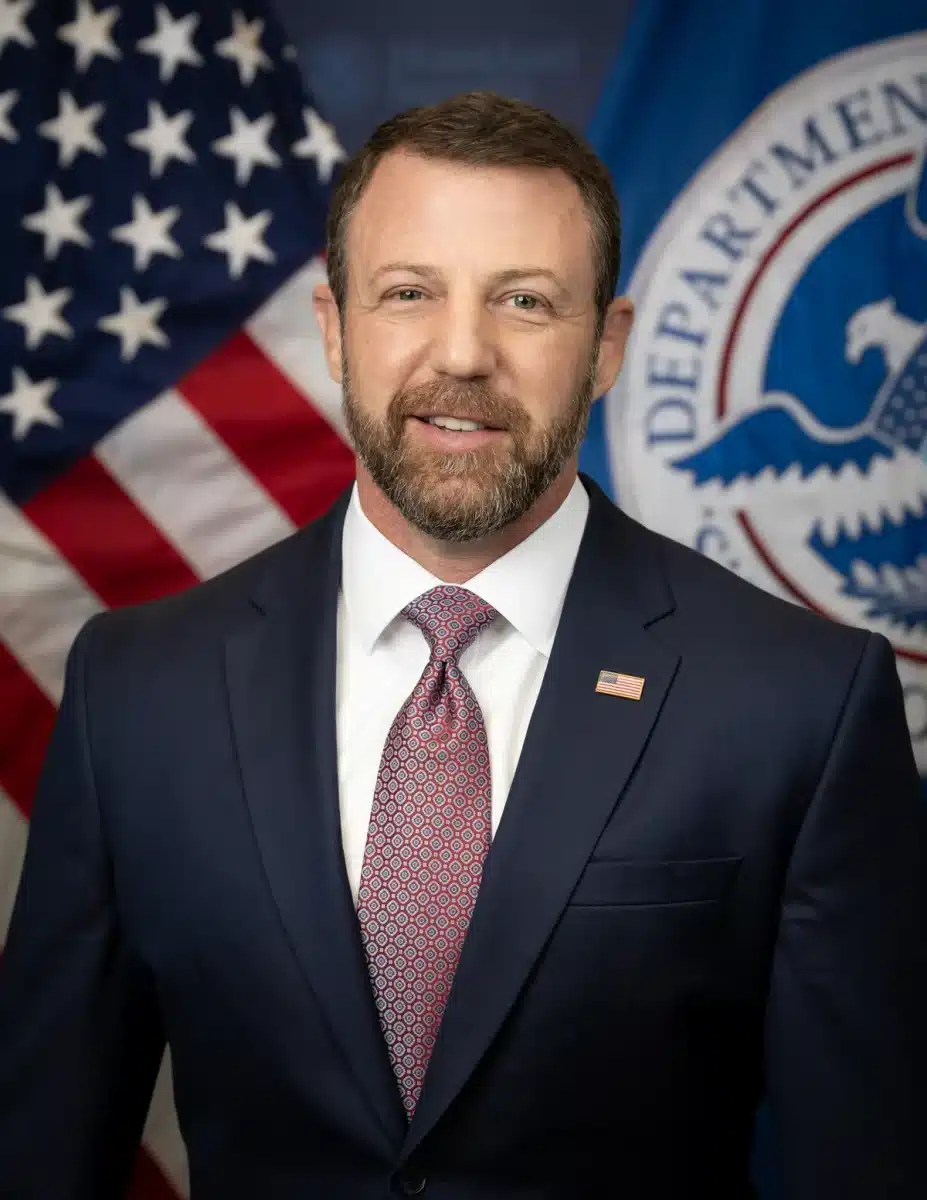
Homeland Security Secretary Markwayne Mullin threatened state and local election officials with fines and prison time on July 17 if they refuse to comply with the Trump administration’s demands for voter data, escalating a nationwide push to exert federal control over elections ahead of November’s midterm contest.
At a news conference following President Trump’s prime-time address on election security, Mullin outlined steps the Department of Homeland Security wanted states to take, including securing voting machines and reviewing voter registration lists to verify citizenship status. He declared that if election officials declined to follow the administration’s directives after receiving the information needed, “those individuals can also be held accountable by fines, by penalties, and even depending on how far it goes, prison time.”
The threats came as DHS claimed it had identified more than 250,000 potential noncitizens illegally registered to vote in just four states—California, New Jersey, Nevada, and Pennsylvania. Mullin sent letters to those states’ secretaries of state requesting they review their voter rolls against the federal SAVE database and respond within two weeks. The department offered no evidence to corroborate its tallies and did not detail the criteria it used to compile the figures.

The administration’s pressure on election officials mirrors a broader effort by the Trump Justice Department to obtain state voter rolls containing personal information such as addresses, dates of birth, and Social Security numbers. However, that effort has faced a wall of legal opposition. Fifteen federal judges—nine appointed by Republicans, including seven by Trump himself—have unanimously rejected the DOJ’s demands for unredacted voter lists, according to USA Today reporting from July 18.
U.S. District Judge David Carter in Los Angeles, in one of the earliest decisions issued January 15, ruled that “the government’s request is unprecedented and illegal.” He wrote that it is “not for the Executive, or even this Court to authorize the use of civil rights legislation as a tool to forsake the privacy rights of millions of Americans. That power belongs solely to Congress.” The 6th U.S. Circuit Court of Appeals has also rejected the department’s demands as unlawful.
The unanimous judicial rejection extends across party lines at the state level as well. Republican election officials in Idaho, Kentucky, Utah, and West Virginia have fought the federal requests. Kentucky Secretary of State Michael Adams argued the request would turn a “little-used provision of the Civil Rights Act of 1960” into “a sweeping surveillance tool.” Utah Lt. Gov. Deidre Henderson called the demand “unlawful,” and Idaho Secretary of State Phil McGrane declined to share voter data, citing concerns about the transmission of personally identifiable information outside approved channels after learning that members of Trump’s Department of Government Efficiency had received Social Security Administration information in March 2025.
State audits of voter rolls show noncitizen voting is not the systemic problem the administration portrays. Utah’s yearlong audit released in May found 27 noncitizens removed from voter rolls out of more than 2 million voters, with eight noncitizens having voted in the 2020 election and four each in 2018 and 2024. Idaho officials verified the citizenship of 1.1 million registered voters before the 2024 election and referred 34 people for criminal investigation, but none had actually voted. Louisiana Secretary of State Nancy Landry, a Republican, stated flatly: “I want to be clear: noncitizens illegally registering or voting is not a systemic problem in Louisiana.”
Nevada’s Secretary of State Francisco Aguilar disputed Mullin’s figures directly. “These numbers are wildly speculative at best and the Department of Homeland Security hasn’t shared anything that backs it up,” he said in an email. Pennsylvania’s Secretary of State Al Schmidt noted that “all evidence has shown that noncitizen voting is extremely rare across the country, including in Pennsylvania,” while agreeing to review DHS claims.
The administration’s push comes as federal courts have also blocked the use of the SAVE database itself for voter purging. In June 2022, a federal judge in Washington, D.C., blocked the Department of Homeland Security from using its citizenship database to remove voters, calling it “inaccurate” and “unreliable” for that purpose. The SAVE America Act, which would mandate federal oversight of state voter rolls, has faced Republican pushback in Congress and remains stalled.
As the November midterms approach, a 1993 law forbids broadly purging voter rolls during the 90 days before an election, or after August 5, placing the administration’s efforts under time pressure. Two appeals courts have agreed to hasten their review of lower court decisions on the voter data disputes.
Sources
- Reuters — DHS Secretary Mullin’s threats of fines and prison time, the 250,000 noncitizen claim, letters to four states, and state responses
- USA Today — Fifteen federal judges unanimously rejecting DOJ voter data demands, Trump-appointed judges’ decisions, Republican state officials’ positions, state audit results, and SAVE database court blocking
- NBC News — Mullin’s press conference statements and Trump administration election security efforts