
Oil prices surged to a six-week high as escalating Middle East tensions reignited conflict between the United States and Iran, effectively closing the Strait of Hormuz and disrupting global energy supplies. Brent crude climbed to near $98.78 per barrel on July 23, 2026, driven by renewed military hostilities and concerns over one of the world’s most critical shipping routes.
The oil price spike stems from a collapse in the U.S.-Iran ceasefire that had briefly eased tensions earlier in the month. When hostilities resumed last week, tanker traffic through the Strait of Hormuz—which carries roughly 20% of global seaborne oil—dropped to multi-month lows as shipping companies halted transits through the contested waterway.

The Strait of Hormuz has long been a chokepoint in global energy markets. According to energy analysts, geopolitical events create immediate supply disruption risks that impact oil prices through both market psychology and actual constraints on crude flows. When Iran has threatened or carried out disruptions to shipping in the waterway—as occurred in March 2026 when the initial U.S.-Israeli strikes triggered Iranian retaliation—oil markets respond swiftly to the supply threat.
What makes the current surge particularly significant is the depletion of market buffers that cushioned earlier shocks. Strategic petroleum reserves, commercial inventories, and China’s strategic stockpiles have been substantially drained over the past five months as they absorbed the impact of previous supply disruptions. According to analysis from OilPrice.com, the global oil market now has far fewer safety nets to absorb the latest re-escalation.
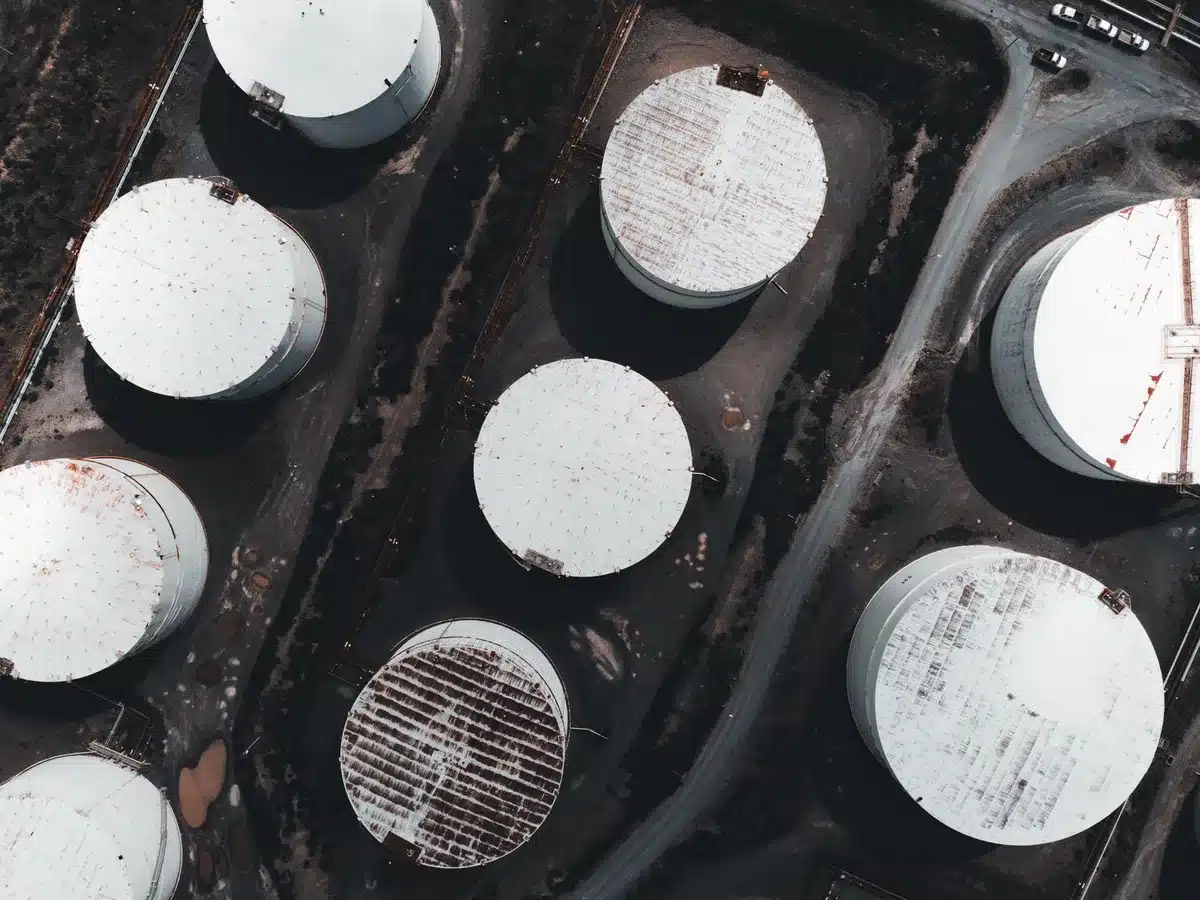
Analysts warn that oil prices could climb significantly higher if the conflict persists. Emergency stock releases are ending, and the market is entering peak demand season—typically the strongest period for oil consumption—with historically low inventories. According to reports from July 20, 2026, market participants had grown complacent about a steady recovery in oil flows, only to be caught off-guard by the sudden re-escalation.
The price spike carries broader economic implications. When oil prices surge, energy costs compound through multiple sectors of the economy. Diesel and jet fuel prices have already climbed sharply—some analysts noted in June that diesel and jet fuel prices were up 58% and 106% respectively due to the Iran conflict’s impact on global supply. A sustained period of elevated oil prices could translate into higher transportation and heating costs for consumers and businesses worldwide.
Goldman Sachs has warned that under adverse scenarios, Brent crude could reach $120 per barrel if the Strait of Hormuz remains restricted and Gulf exports fail to normalize. The investment bank’s forecasts reflect the market’s vulnerability to further escalation in a region where roughly 30 percent of globally traded crude oil passes through a narrow waterway vulnerable to military action.
Sources
- OilPrice.com — Current oil prices, analyst warnings on buffer depletion, and Strait of Hormuz disruption impact as of July 20, 2026
- INTERNAL_LINKS — Brent crude oil surge to $98.78/barrel on July 23, 2026; oil prices surge after U.S.-Iran ceasefire collapse; oil futures surge amid Strait of Hormuz disruption
- Reuters — Oil price forecast revisions and analyst consensus on 2026 Brent crude averages
- Bloomberg NEF — Oil price forecasts and Goldman Sachs scenarios for elevated crude prices under conflict conditions
- CNBC — Analyst warnings on oil price escalation potential during Middle East conflict