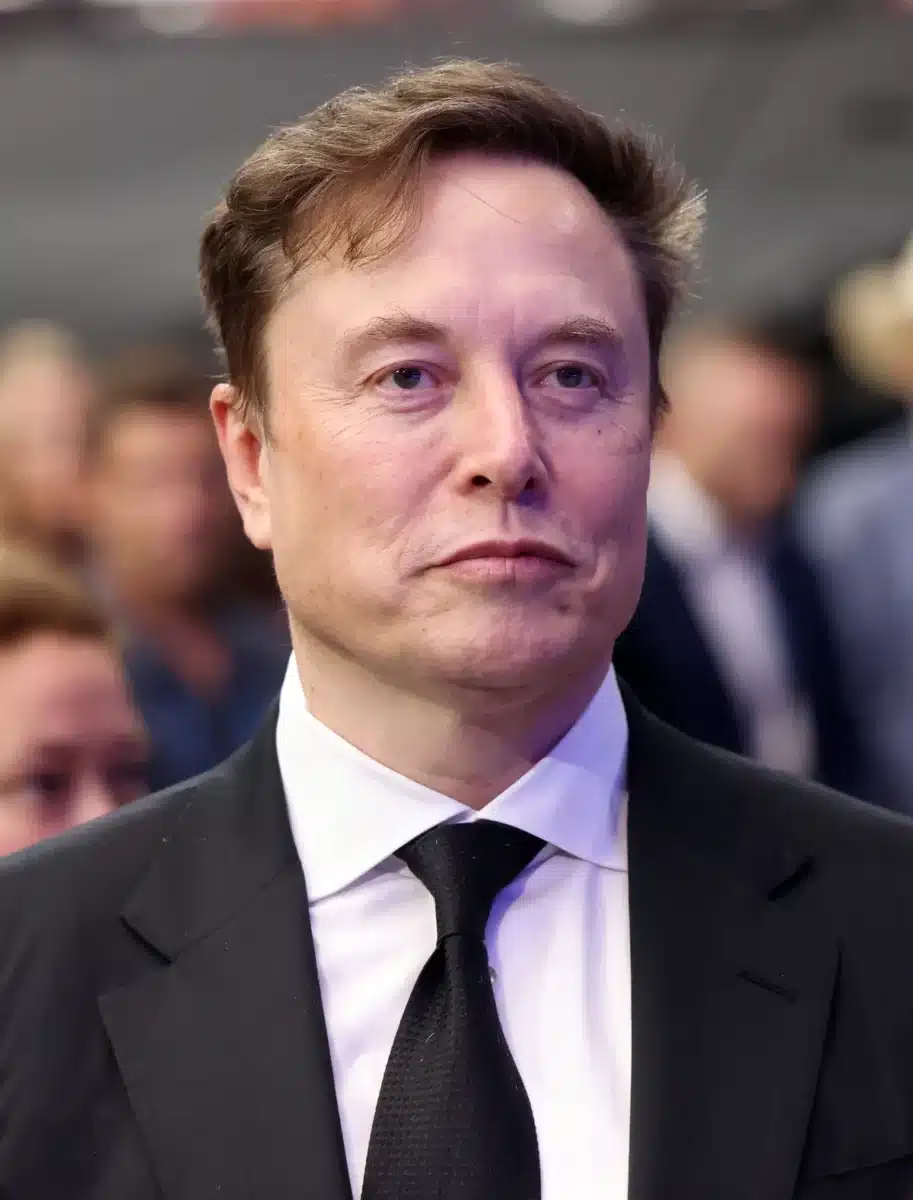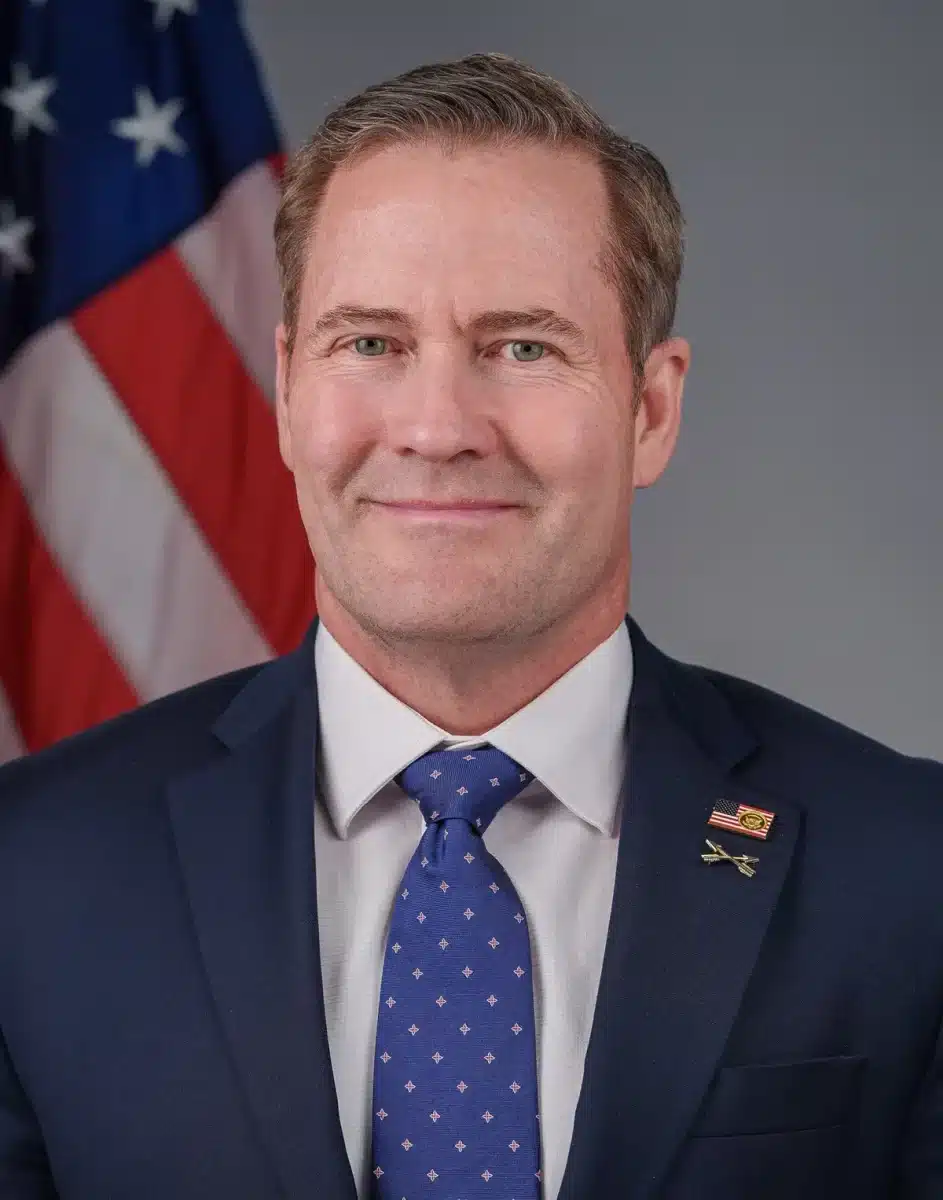
U.S. Ambassador to the United Nations Mike Waltz testified before the House Foreign Affairs Committee on July 22, 2026, outlining the Trump administration’s sweeping reform agenda aimed at streamlining the UN and tying its funding to American interests. Waltz, joined by Jeff Bartos, the U.S. representative for UN Management and Reform, detailed budget cuts, peacekeeping restructuring, and compensation reforms designed to refocus the organization on its core mission of maintaining international peace and security.
Waltz highlighted unprecedented achievements in his first year and a half as UN ambassador, pointing to a historic $570 million cut to the UN’s regular budget—a 15 percent reduction that will eliminate nearly 3,000 headquarters positions. The U.S. contribution will be reduced by $126 million, he said, translating directly to savings for American taxpayers.
The ambassador framed the reforms as a response to what he characterized as organizational bloat. “The UN’s budget in the last 25 years has quadrupled,” Waltz stated in his testimony. “We have not seen, arguably, a quadrupling of peace and security around the world commensurate with those hard-earned dollars.” He emphasized that the U.S. will cease participation in UN agencies that undermine American sovereignty and cannot be reformed, and that President Trump had announced withdrawal from 66 international organizations, with that review ongoing.

Peacekeeping and Personnel Reforms
Waltz pressed for a 25 percent reduction in peacekeeping troops and tied future funding to demonstrated results. He pointed out that some peacekeeping missions have operated for 30, 50, or even 80 years without resolving underlying conflicts, creating what he called “mission creep.” The administration has already moved to close or streamline several operations: the UN mission in Iraq (UNAMI) will close, saving $87 million annually; the special political mission in Yemen will shut down, saving $25 million; and missions in Colombia and Haiti have been streamlined, saving approximately $20 million annually.
Waltz also highlighted reforms to UN compensation standards. UN staff earn 17 percent more than equivalent U.S. civil servants and receive generous benefit packages far exceeding those of American government employees. Staff costs alone account for 70 percent of the UN’s regular budget. The ambassador noted that the UN pension carries an over $100 billion liability with a 16 percent employer contribution rate—a standard he argued no government or private employer matches.

Strategic Focus and Future Priorities
Looking ahead, Waltz said the administration will prioritize qualified Americans for UN leadership positions and align its reform agenda with the incoming UN Secretary-General’s priorities. He noted that a new Secretary-General will be elected this year, and the administration is already engaging with candidates about which reforms to preserve and what new measures to pursue.
The ambassador concluded by invoking President Trump’s framing of the effort as making the UN “great again,” stressing that the organization remains the one place where all nations can talk. “If we walked away tomorrow, it would be reinvented somewhere else,” Waltz said. “I will push hard and continuously to have it right here in the United States where it belongs.”
Sources
- U.S. Mission to the United Nations — Waltz’s March 20, 2026 testimony to Congress on UN reform achievements and budget cuts
- House Foreign Affairs Committee — July 22, 2026 hearing announcement and witness list for UN accountability and reform hearing
- Fox News — June 6, 2026 report on Bartos’s statement that UN reform is “no longer an oxymoron” following $570 million in cuts
- Reuters — July 22, 2026 coverage of Waltz and Bartos testimony before House committee
- PBS News Hour — July 22, 2026 live coverage of House Foreign Affairs Committee hearing on UN accountability and reform