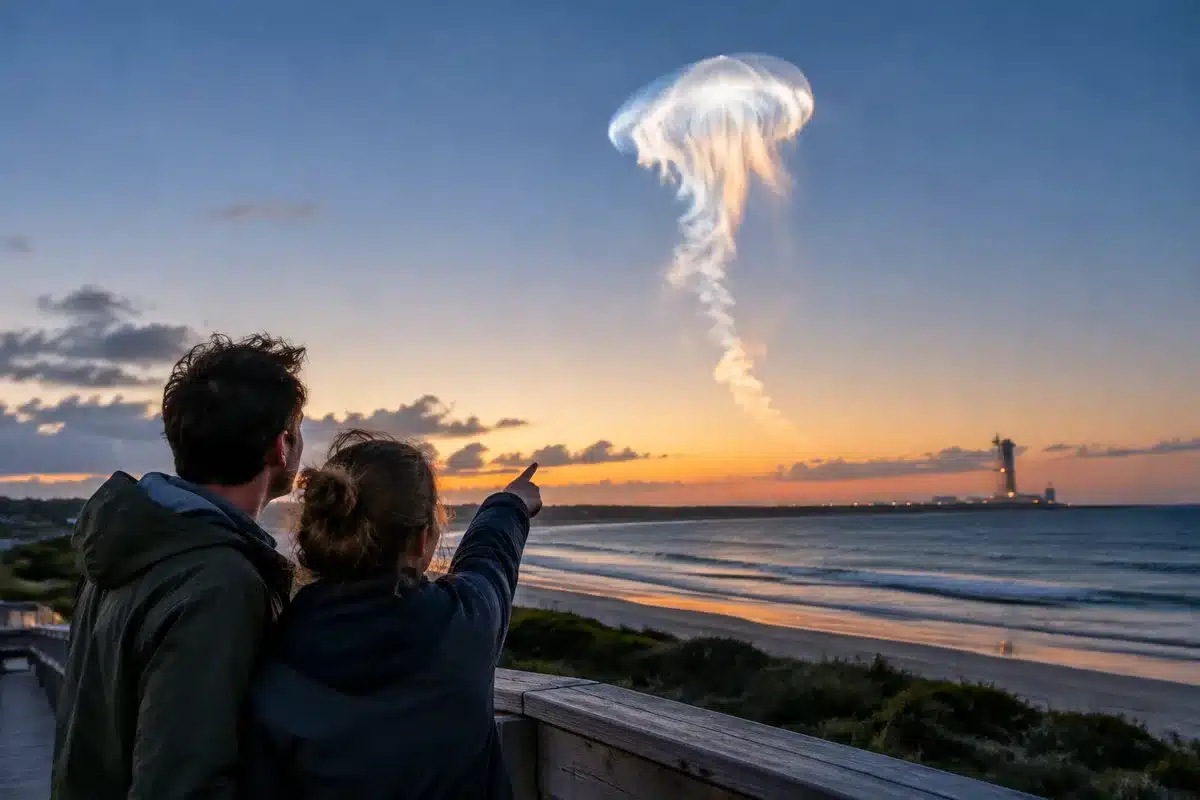
The Federal Communications Commission has approved Reflect Orbital’s plan to test a space mirror satellite that would reflect sunlight back to Earth after dark, clearing the way for a demonstration mission scheduled to launch by the end of 2026.
On July 9, the FCC formally authorized the launch of Eärendil-1, a 142-kilogram spacecraft equipped with an 18-meter (60-foot) thin-film reflector that will deploy in low Earth orbit at an altitude of 600 to 650 kilometers. The satellite is designed to direct reflected sunlight onto targeted areas roughly 5 to 6 kilometers wide for brief periods, testing technology the company says could eventually power solar farms after sunset, light construction sites, or assist search-and-rescue operations.
Reflect Orbital plans to launch the satellite aboard a SpaceX Falcon 9 rocket later this year. The company’s chief executive, Ben Nowack, said in a statement that the FCC approval represented “the first step toward rigorously testing our technology’s efficacy and the safeguards we have developed.”
Significant Opposition From Astronomers
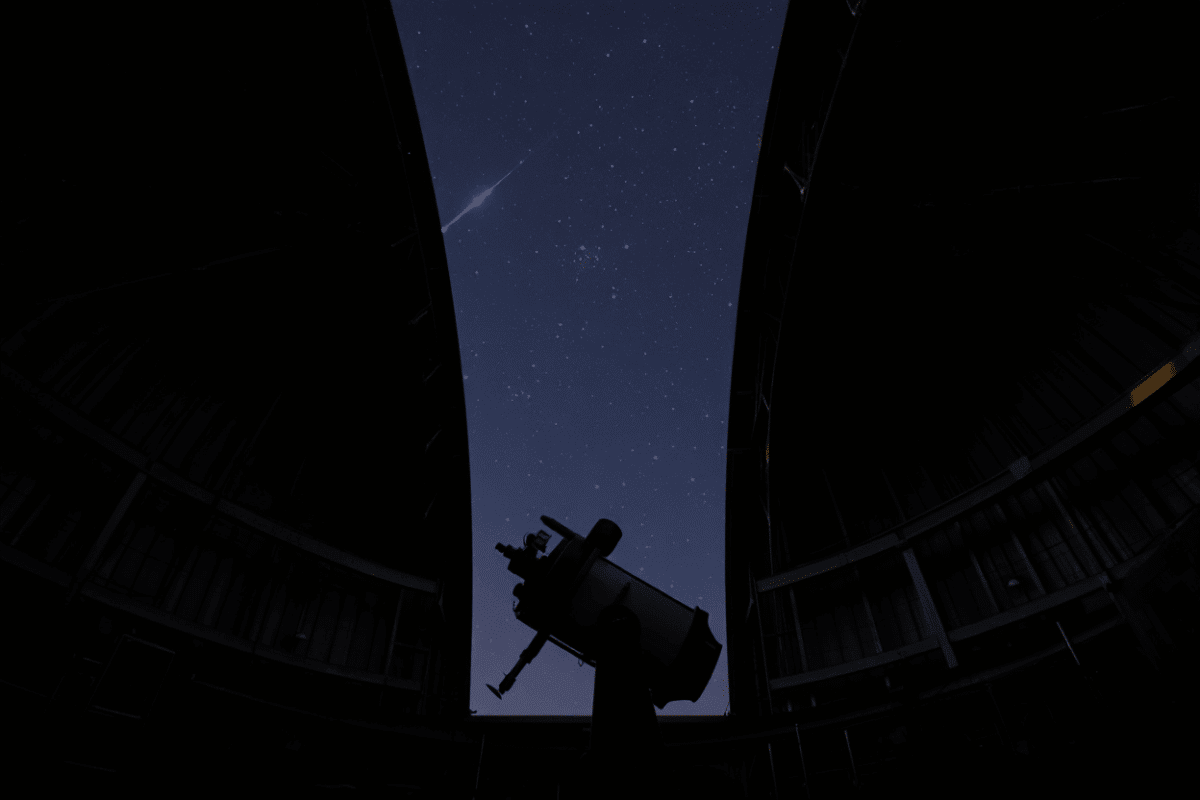
The approval came despite fierce pushback from the astronomical community and environmental groups. Reflect Orbital’s application generated nearly 1,900 comments to the FCC, the vast majority critical of the project’s potential impacts on night skies and optical astronomy.
Tony Tyson, chief scientist of the Vera C. Rubin Observatory at the University of California, Davis, told the National Academies in June that Reflect Orbital’s plans were “even crazier” than existing broadband satellite constellations. He expressed concern that the thin-film reflectors would scatter sunlight unpredictably rather than directing it precisely, potentially filling the sky with unwanted light. “Imagine the sky full of moons,” he said.
The European Southern Observatory, which operates major telescopes in Chile, warned that Reflect Orbital’s full proposed constellation of 50,000 satellites would increase background sky brightness at its facilities by a factor of three to four, severely limiting the ability of telescopes to detect faint objects. In a July 1 statement, the observatory called the full constellation “an existential threat” to optical astronomy.
The FCC largely sidestepped these concerns in its authorization. The commission concluded that impacts on optical astronomy fall outside its regulatory jurisdiction and that approving the test serves the public interest by encouraging companies to develop innovative space technologies. The FCC noted that Reflect Orbital has committed to collaborating with NASA and the National Science Foundation on protecting optical astronomy and to working with the broader astronomical community.
Sources
- SpaceNews — Detailed reporting on FCC approval, satellite specifications (142 kg, 18-meter reflector, 600-650 km altitude), launch timeline (end of 2026), and astronomical opposition (1,900+ comments, ESO statement, Tony Tyson quote).
- The New York Times — Confirmation of FCC approval on July 10, 2026, and the company’s long-term expansion plans (1,000 satellites by end of 2028, 5,000 by 2030).
- CNET — Confirmation that Eärendil-1 will launch on SpaceX Falcon 9 later in 2026 and will illuminate areas 3-6 kilometers wide.
- Space Daily — Reporting on FCC radio authorization for the 18-meter space mirror and astronomical concerns about sky brightness increases of 200-300%.