The United States struck approximately 140 Iranian military targets on July 12, 2026, in the latest escalation of the Middle East conflict, while Iran closed the Strait of Hormuz to all maritime traffic and launched counterattacks across the Gulf region.
U.S. Central Command said it completed a third round of strikes this week, hitting what it described as Iranian missile and drone sites, naval capabilities, and ammunition storage facilities with precision munitions launched by land- and sea-based fighter aircraft and drones, according to Reuters and Al Jazeera.
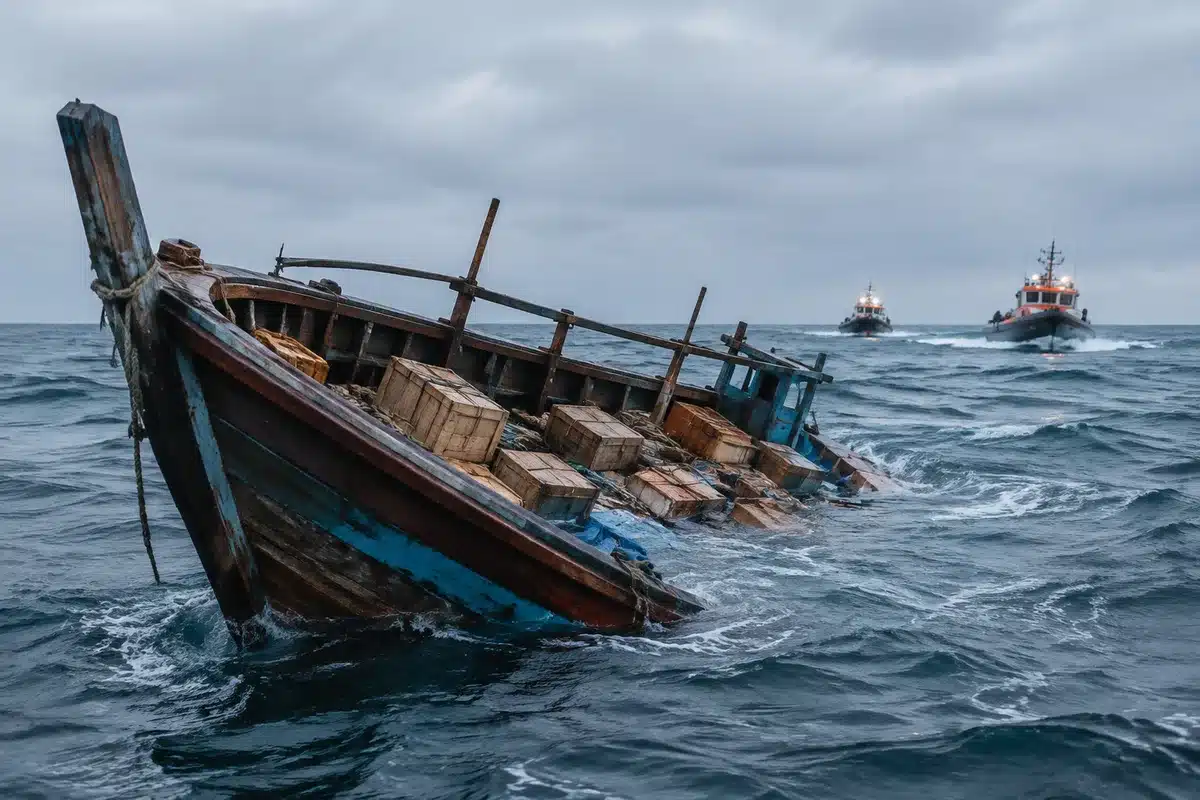
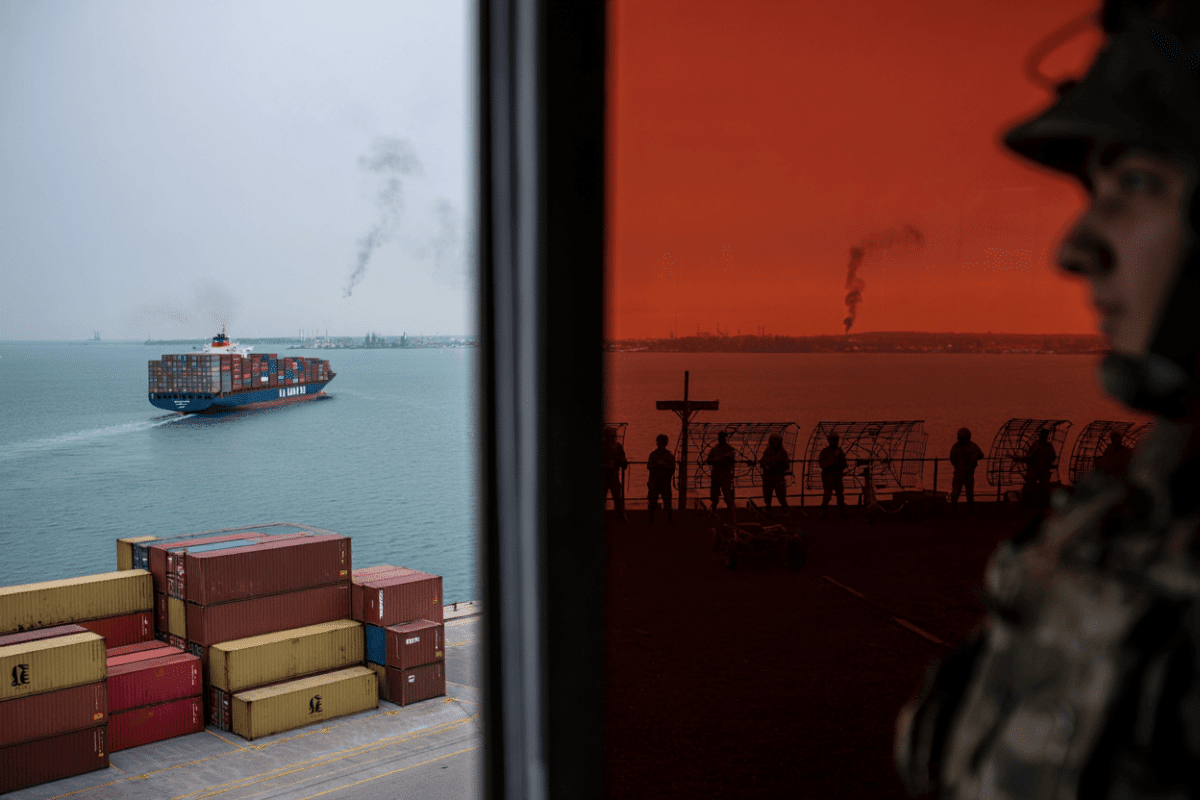
The strikes came hours after Iran’s Islamic Revolutionary Guard Corps announced the closure of the Strait of Hormuz, a vital waterway through which roughly 25% of the world’s seaborne oil trade normally passes. Iran said it took the action in response to a cargo ship that traveled on an unapproved route and was struck, according to USA Today and Le Monde.
The escalation marks a dramatic unraveling of a ceasefire that had been in place since early April 2026. On July 8, President Trump declared the ceasefire “over” after the U.S. launched more than 80 strikes on Iranian targets, including air defense systems and naval vessels, according to The National News and The Guardian. The breakdown followed Iranian attacks on three commercial vessels in the Strait of Hormuz on July 6 and 7, which prompted the initial U.S. response, according to NPR and the International Crisis Group.
In response to the latest American strikes, Iran’s Revolutionary Guards claimed they targeted U.S. military sites across the region, striking locations in Jordan, Qatar, Kuwait, Bahrain, and Saudi Arabia, according to Iran Int’l and Al Jazeera. The Iranian news agency Tasnim reported that forces had struck U.S.-linked targets in all five nations, though independent verification of the extent of those attacks was not immediately available.
The conflict reflects the fragility of the ceasefire agreement brokered by Pakistan in April. The accord, which was meant to be temporary, had been tested repeatedly by both sides’ military actions in the Strait of Hormuz and against regional allies hosting U.S. forces. The Strait’s blockade has already disrupted global shipping and raised oil prices, according to reporting from CNBC and the Council on Foreign Relations.
The broader 2026 Iran war began in late February following the breakdown of U.S.-Iran negotiations. Successive ceasefires and temporary agreements have repeatedly collapsed under the pressure of tit-for-tat military strikes and competing strategic interests in controlling the Persian Gulf.
Sources
- U.S. Central Command (CENTCOM) — official announcement of 140 targets struck on July 12, 2026
- Reuters — reporting on the 140 targets and the third round of strikes this week
- Al Jazeera — details on target types and Iran’s counterattacks on five Gulf nations
- CNN — coverage of the 140 military targets and escalation timeline
- USA Today — Iran’s statement on the Strait closure and the container ship incident
- Le Monde — reporting on Iran’s closure of the Strait on July 12
- The National News — timeline of the ceasefire collapse on July 8 with over 80 targets hit
- The Guardian — Trump’s declaration that the ceasefire was over
- NPR — reporting on Iranian attacks on three merchant ships on July 6-7
- International Crisis Group — documentation of the July 7 attacks in the Strait
- Iran Int’l — Iranian claims of strikes on Jordan, Qatar, Kuwait, Bahrain, and Saudi Arabia
- CNBC — impact of Strait disruption on oil tanker traffic and prices
- Council on Foreign Relations — analysis of the blockade’s global effects