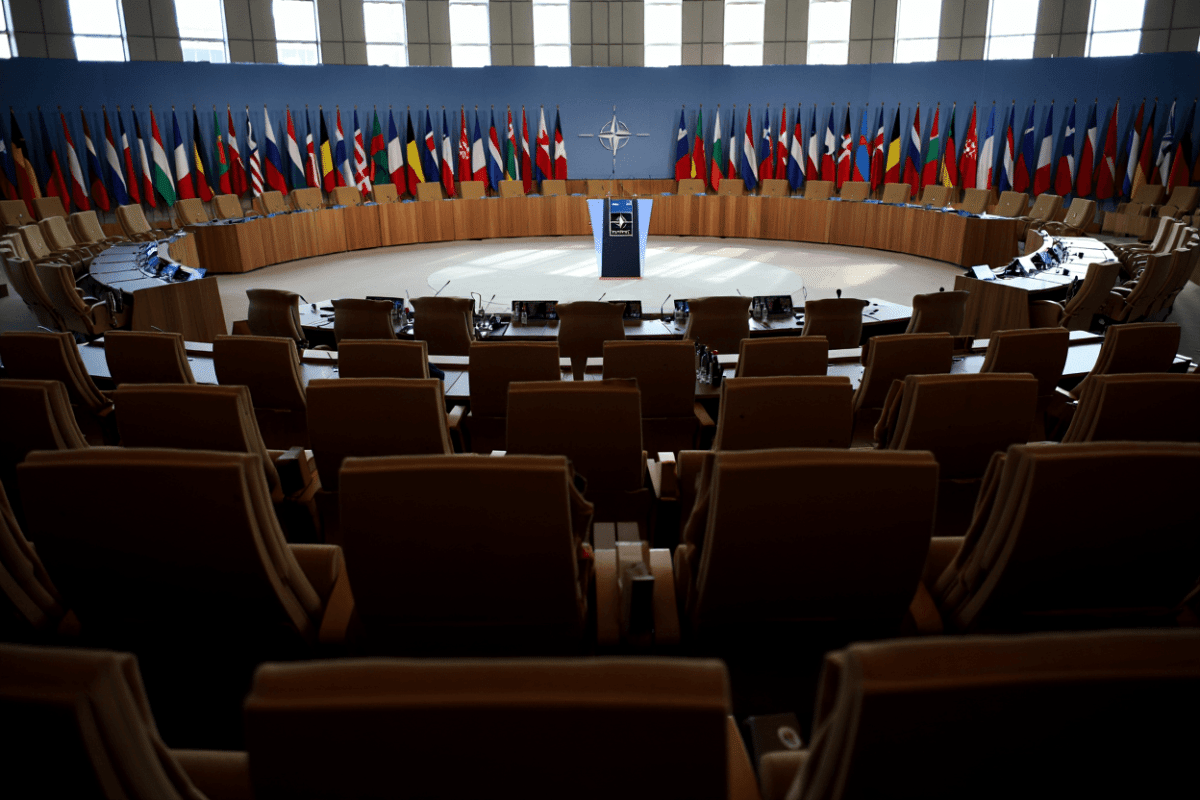
NATO Secretary General Mark Rutte delivered a stark warning to Russian President Vladimir Putin as the alliance convened in Ankara for a summit on July 7-8, 2026, marking what Rutte termed the opening of a “NATO 3.0” era. When asked for his message to Moscow, Rutte replied: “Don’t fool with us. Don’t play with us. We will never attack anyone. We will only defend our way of life, our democracies, our territory,” according to a NATO doorstep statement on July 8.
Rutte’s message came as NATO leaders gathered to demonstrate unity and showcase the alliance’s military transformation following unprecedented increases in defense spending across Europe and Canada. The secretary general emphasized that NATO represents “an alliance of one billion people living in Europe, living in Canada, living in the United States,” and that “this alliance will defend every inch of our territory,” according to the official NATO transcript.
The concept of NATO 3.0 reflects a fundamental shift in how the alliance operates. Rutte described it as “a much stronger NATO, a much stronger Europe in a stronger NATO,” driven by European and Canadian allies finally matching U.S. defense spending levels. According to Rutte’s remarks at the summit, Canadian and European allies spent an additional 258 billion dollars in 2025 and 2026, reaching a combined defense spending target of 4 percent of GDP on a ten-year trajectory to reach 5 percent by 2035.
The transformation signals a rebalancing of transatlantic burden-sharing that Rutte credited partly to President Donald Trump’s push for greater European investment in defense. “President Trump has been able to, finally, get done what, since Eisenhower, American presidents tried to do, which was to equalise defence spending between Europe and the United States,” Rutte stated in his doorstep remarks, according to the NATO transcript. “It is now happening.”
NATO 3.0 also emphasizes increased European leadership within the alliance. Rutte told reporters that the transformation makes the alliance “truly transformed,” with European members becoming “much more capable to, with the US, work together in NATO to keep one billion people safe.” According to NATO’s official summit materials, the alliance is focusing on defense industrial output, military procurement, and strengthening Europe’s capacity to operate independently while maintaining transatlantic cooperation.
The Ankara summit, only the second NATO summit ever held in Turkey, addressed multiple crises facing the alliance, including ongoing support for Ukraine, tensions with Iran, and broader questions about the alliance’s future amid shifting U.S. priorities. Rutte emphasized that Russia remains “the long-term threat to NATO territory,” signaling continued resolve against Moscow despite the secretary general’s acknowledgment that “nobody” knows what it would take to convince Putin to negotiate peace in Ukraine, as reported by POLITICO.
The summit also saw NATO allies unveil billions in new defense contracts and commitments, underscoring the move from pledging to implementation. This shift from promises to action represents the core of NATO 3.0, according to Rutte, who stated that “last Summit in The Hague was all about planning, targeting. It was about the money. It was about industry. This Summit is about implementation, getting it done.”
Sources
- NATO — Doorstep statement by NATO Secretary General Mark Rutte on July 8, 2026, providing the full transcript of his message to Putin and his remarks on NATO 3.0
- CNBC — Reporting on Rutte’s statement and NATO’s entry into the 3.0 era, published July 8, 2026
- Congress.gov — NATO: Issues for the July 2026 Ankara Summit, providing context on Rutte’s priorities and NATO 3.0 framework
- POLITICO — Reporting on Rutte’s comments about Putin and negotiations regarding Ukraine