Federal courts have blocked major provisions of President Trump’s efforts to reshape election rules ahead of the 2026 midterms, as Republican senators simultaneously rebuffed his attempts to force through sweeping voting changes.
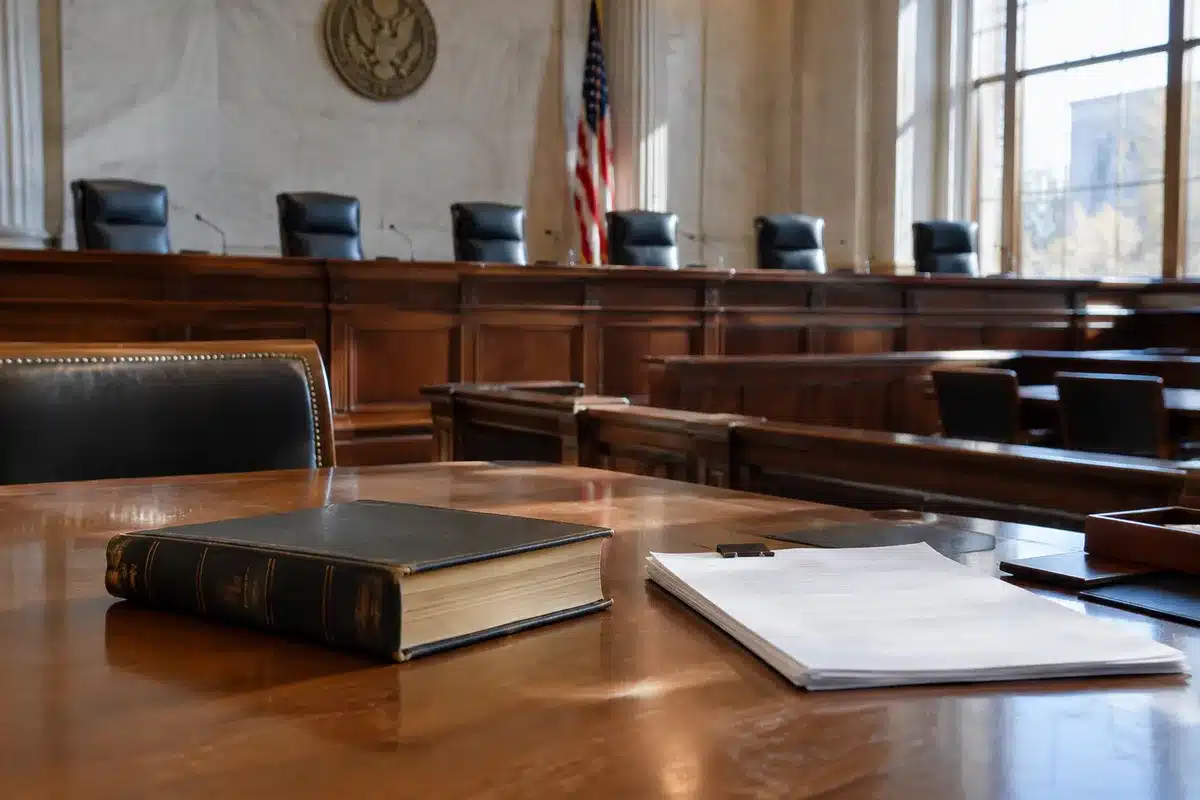
U.S. District Judge Indira Talwani ruled on June 25 that Trump’s executive order directing the federal government to create a nationwide list of verified citizens and giving the U.S. Postal Service authority over mail-in ballots was unconstitutional. Talwani concluded that “the federal government does not have the authority to create centralized lists of adult citizens or decide who can vote by mail,” according to her 37-page ruling.
One day earlier, Judge Denise Casper in Boston permanently barred Trump’s administration from implementing a requirement that voters prove their citizenship when registering to vote in federal elections. Casper ruled that “the Constitution does not grant the president any specific powers over elections,” according to court filings.
The rulings marked the latest defeats for Trump’s election overhaul agenda. Trump issued his first executive order on elections in March 2025, seeking to require proof of citizenship and restrict mail-in voting. Federal courts have blocked major portions of that order since then. In March 2026, Trump signed a second executive order directing the Department of Homeland Security and Social Security Administration to create the nationwide citizen list and calling on the Postal Service to handle mail ballots only from voters on preapproved federal lists.
The judicial setbacks came as Republican senators also resisted Trump’s push for voting changes. According to The Washington Post, Trump faced “an avalanche of setbacks” after senators rebuffed him and “court after court hindered his administration’s plans.” Trump abruptly canceled the signing of a bipartisan housing bill to pressure Republican senators into backing the SAVE America Act, his proposed election overhaul legislation.
Colorado Secretary of State Jena Griswold, who brought the lawsuit against the mail-voting executive order, called the ruling “a major victory for American democracy.” She stated: “Trump will not be able to use the Postal Service to control which voters receive a mail ballot, and cannot use the DOJ to intimidate election officials into following his unlawful order. The Constitution is clear: States run elections, not Trump.”
The injunction from Judge Talwani applies to 24 jurisdictions—23 states and the District of Columbia—that challenged the order, including Arizona, California, Michigan, Nevada, New York, North Carolina, Pennsylvania, and Wisconsin. However, Talwani limited the injunction to the 2026 elections, dismissing challenges to the order as “not yet ripe” when it comes to future elections.
The Trump administration signaled it would appeal. White House spokeswoman Abigail Jackson said the administration is “confident that we will ultimately prevail.”
Sources
- Votebeat — Judge Talwani’s ruling blocking mail-voting restrictions, executive order details, and state attorney general statements
- PBS NewsHour — Judge Casper’s permanent bar on proof-of-citizenship requirement
- The Washington Post — Republican senate pushback, Trump’s canceled housing bill signing, and overall obstacles to election rule changes
- Democracy Docket — Multiple court rulings blocking Trump’s election executive orders