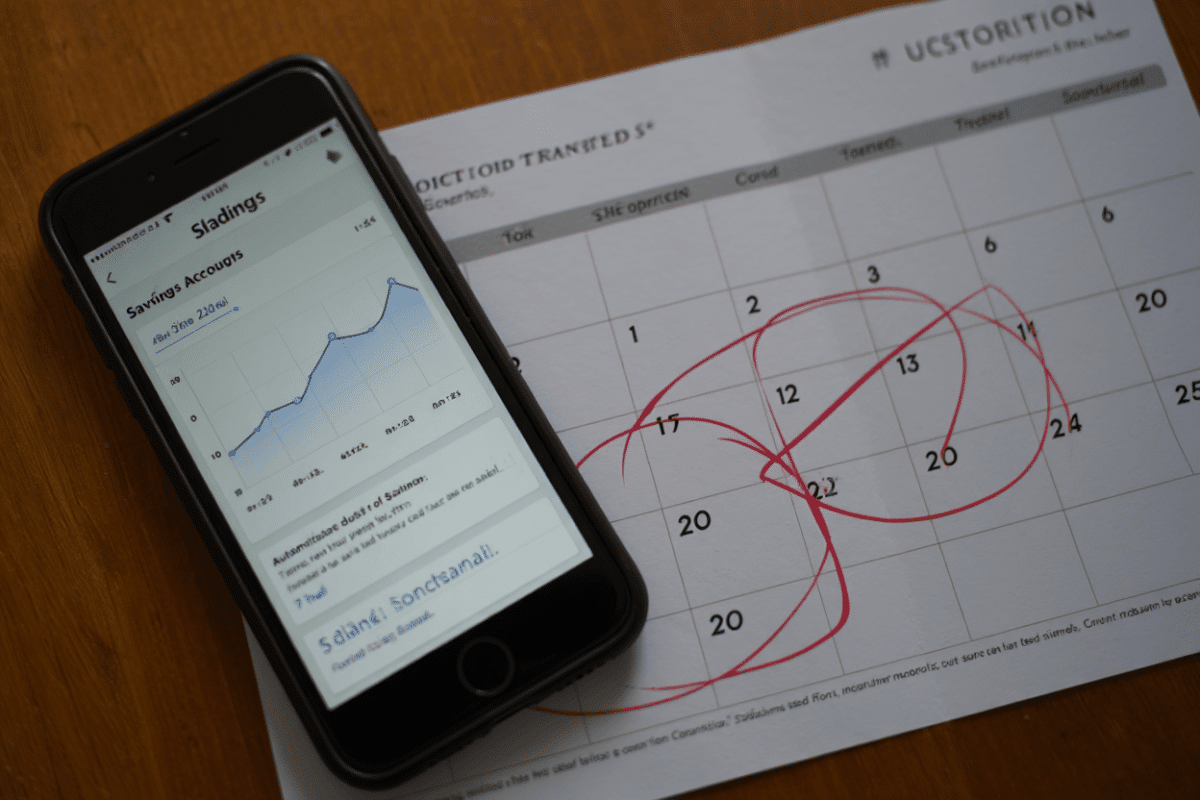
Saving money in 2026 increasingly relies on two proven strategies: automating transfers to savings accounts and rotating subscriptions to cut costs. Nearly every bank and financial platform now supports automatic transfers, making it easier than ever to build wealth without constant effort.
The automation approach works because it removes temptation and decision-making. By setting up recurring transfers from checking to savings on payday, the money moves before you can spend it. According to Luc Gueriane, CEO of Moorwand, transferring money to a high-yield savings account every payday “teaches discipline without effort and ensures you never lose money.” Setting up recurring transfers and payments means you’re less likely to miss due dates or spend what you meant to save.
The psychology behind automation is powerful. When saving happens automatically, it becomes easier to prioritize savings without having to think about it every week. This approach aligns with the “pay yourself first” principle—treating savings as a mandatory expense rather than optional activities funded with leftover money. According to Practical Money Skills, pay yourself first reduces the number of decisions you need to make, making it easier to prioritize savings when the action is automated.
Rotating Subscriptions to Recover Hidden Spending
While automation handles savings, subscription rotation tackles a major leak in household budgets. Americans spend an average of $219 per month on subscriptions but estimate they spend only $86, according to research from C+R Research and ReSubs—a gap that reflects how invisible recurring charges have become. More than half of Americans plan to cut subscriptions in 2026, according to a NerdWallet survey from April 2026.
The rotation strategy is straightforward: instead of paying for multiple streaming, music, or fitness services simultaneously, subscribe to one at a time. Watch all your must-see shows on Netflix for a month, then cancel and switch to Disney+ the next month. This approach can save more than $1,100 per year compared to maintaining multiple subscriptions year-round, according to Yahoo Finance reporting from April 2026.
MoneyLion recommends setting calendar reminders to cancel before trial periods end, using new email addresses only for legitimate promotions, and keeping notes of which shows or apps to return to later. The key is treating the freed-up money as part of your savings strategy—redirecting that $15 or $20 from a canceled service directly into a savings account or investment.
Quarterly audits of recurring charges also help. Scanning bank and credit card statements every three months can reveal forgotten subscriptions and save hundreds of dollars annually. According to Gueriane, apps, streaming, and software are minor costs that quietly drain customers, but assessing them every three months can save hundreds of dollars a year.
Together, automation and subscription rotation form a complete approach to saving money in 2026. Automation removes the friction from building savings, while subscription rotation eliminates the hidden costs that prevent savings from accumulating in the first place. Neither strategy requires extreme budgeting or sacrifice—they simply make saving the path of least resistance.
Sources
- Origin Financial — Confirmed nearly every bank and financial platform supports automatic transfers for savings (February 2026).
- C+R Research — Reported average American spending of $219/month on subscriptions versus estimated $86/month.
- MoneyLion — Provided strategies for cutting subscription costs, rotating services, and auditing recurring charges (October 2026).
- Yahoo Finance / GOBankingRates — Featured expert commentary from Luc Gueriane on automation, quarterly audits, and the psychology of savings (January 2026).
- Practical Money Skills — Explained how pay yourself first reduces decision fatigue and makes savings automatic (June 2026).
- NerdWallet — Survey showing more than half of Americans plan to cut subscriptions in 2026 (April 2026).