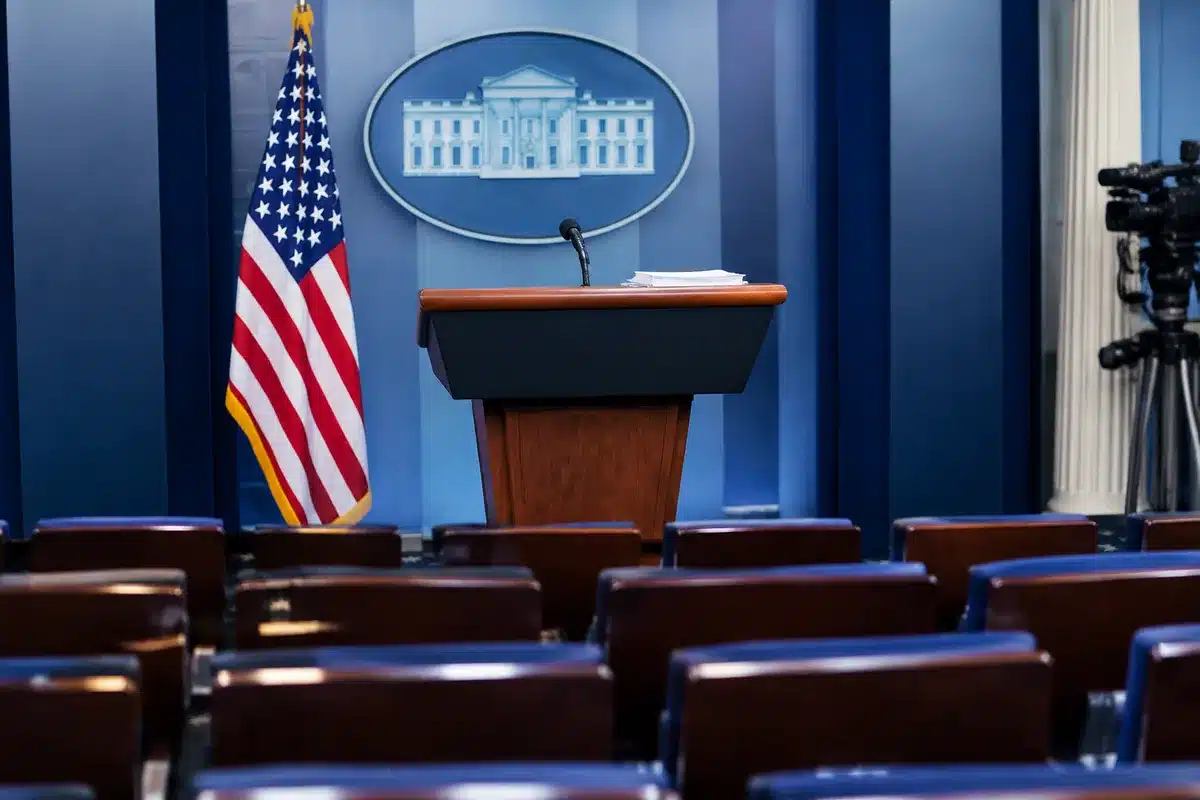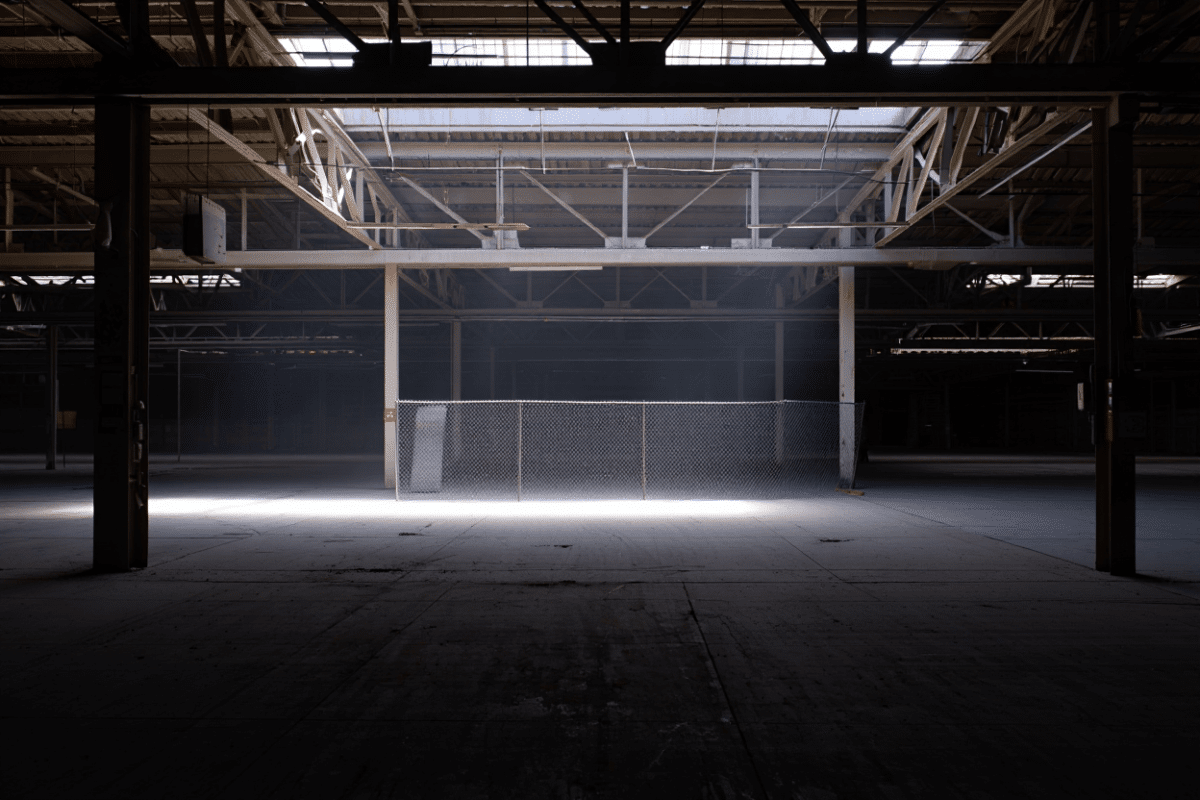
Homeland Security Secretary Markwayne Mullin acknowledged earlier this week that the Department of Homeland Security’s $1 billion warehouse detention project lacked proper planning, telling the House of Representatives that the effort had significant gaps in its execution.
In testimony on Thursday, Mullin said the department is evaluating all 11 warehouses it purchased this year for approximately $1 billion to determine which conversions to immigrant detention centers make sense to proceed with. “There’s some that just quite frankly, probably won’t work,” he said. “There are some that we’re trying to make work, but there was some due diligence that maybe wasn’t actually checked off.”
The rare public acknowledgment reflects mounting pressure on the administration from lawsuits, community protests, and federal scrutiny of the warehouse plan. DHS is now in discussions with government partners about selling or repurposing at least seven of the industrial buildings, according to people briefed on the department’s plans. The administration has confirmed to officials in Social Circle, Georgia; Romulus, Michigan; Tremont, Pennsylvania; and Hamburg, Pennsylvania that plans to locate detention centers in their towns have ended.
The warehouse initiative was conceived by Mullin’s predecessor, Kristi Noem, as part of a broader $38.3 billion plan to expand detention capacity to 92,000 beds by acquiring and retrofitting 24 commercial buildings across multiple states. Mullin, who took over the department in late March after Noem’s departure, paused the purchase of new warehouses and instructed staff to review the existing acquisitions, signaling a different approach from his predecessor.
An analysis by the commercial real estate data firm CoStar found that DHS paid an average of 13 percent above market values for the warehouses. Real estate experts have warned that offloading the buildings at fair value will be difficult given their size and specialized nature. “Who is really looking for a million-square-foot industrial space?” said Andra Ghent, a professor of real estate finance at the University of Utah. “It’s a really small market.”
The effort has also drawn formal scrutiny. The DHS inspector general launched an audit into whether ICE purchased the buildings “in a cost-effective manner,” according to reporting from the Wall Street Journal in May. Multiple state and local governments filed lawsuits claiming the projects overlooked the National Environmental Policy Act, a federal law requiring detailed environmental impact assessments. After initially claiming the projects were exempt from the law, the department agreed to conduct the reviews, setting the timeline back considerably.
Grassroots opposition to the plan has been widespread. A loose network of activists spanning more than a dozen states and both political parties packed municipal meetings, protested outside Congress members’ offices, and organized nationwide opposition after the warehouse locations were first disclosed in December 2025. In recent days, as news spread that the administration was scaling back the plan, organizers in Georgia celebrated with pizza parties, and local officials shared photos of locks they had placed on water meters to prevent federal use of local resources.
The shift also reflects changing operational needs. Aaron Reichlin-Melnick, a senior fellow at the American Immigration Council, noted that ICE has eased away from its tactic of “indiscriminate raids and large-scale arrests” that had contributed to greater detention demand during the first year of the administration. ICE held 59,000 people in custody on June 24, down from a daily high of more than 70,000 in January, according to data the agency shared with Congress.
Sources
- The Washington Post — Mullin’s House testimony acknowledging missteps, warehouse evaluation details, plans to offload seven facilities, CoStar analysis of above-market pricing, expert commentary on resale challenges, inspector general audit, and ICE custody figures
- Wall Street Journal — DHS inspector general audit into warehouse purchases for cost-effectiveness