A federal judge has blocked the Trump administration from implementing a new rule that would impose lower federal student loan limits for graduate students pursuing degrees in nursing and other healthcare-related fields, setting aside the regulation days before its July 1 effective date.
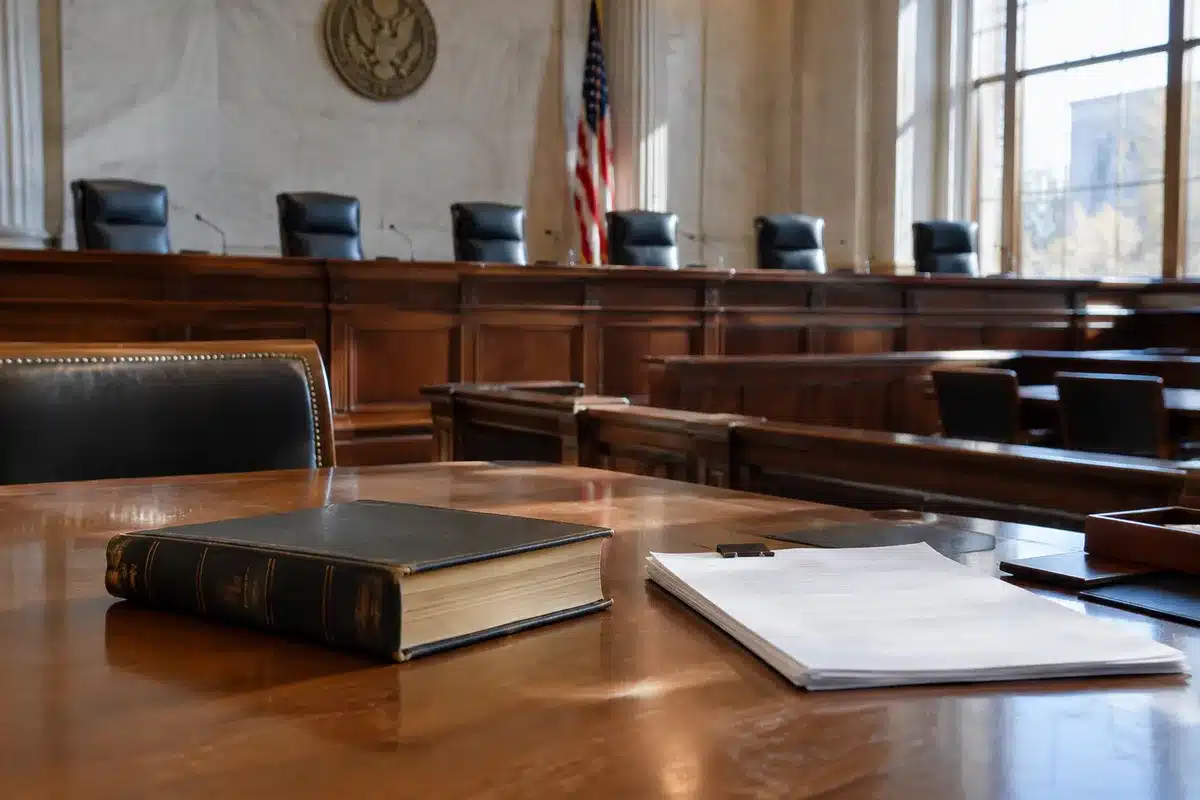
U.S. District Judge Beryl Howell in Washington, D.C., late on Wednesday sided with eight trade organizations, including the American Association of Nurse Practitioners and the PA Education Association, that sought to prevent the rule from taking effect. The ruling halted a key provision of the Trump administration’s 2025 tax and spending law, known as the One Big Beautiful Bill Act.
The Education Department’s rule altered how the federal government defines “professional degree” programs for purposes of applying new student loan borrowing caps. Under the One Big Beautiful Bill Act, professional degree students—such as those in law and medicine—can borrow up to $50,000 annually and $200,000 lifetime, while other graduate students are limited to $20,500 per year and $100,000 total.
The department narrowed the definition of “professional degree” to cover only certain degrees in 11 fields, including law, medicine, dentistry, and theology. This reclassification meant that nursing and other healthcare professions would fall under the lower graduate student caps, a change that prompted the legal challenge.
Judge Howell found that the rule ran afoul of the Administrative Procedure Act. She noted that when Congress enacted the 2025 law, it expressly adopted a longstanding regulatory definition for professional degrees that the department had been using since 2007. “By adopting the preexisting definition as it was in effect on a specific date, Congress removed any discretionary authority the Department may have had to narrow the definition,” Howell wrote in her order.
Skye Perryman, whose legal group Democracy Forward represented the plaintiffs, stated that the ruling would benefit students pursuing careers in nursing, public health, education, and marriage and family therapy. “These are key services that the federal government should be supporting by welcoming those who wish to enter them, not creating barriers to vital support,” she said.
What Remains in Place
Although Howell blocked the department’s regulatory definition, she declined to prevent the new loan caps themselves from being enforced. This means that the overall borrowing limits established by Congress remain in effect, but the question of which fields qualify for higher professional degree caps—and therefore which students face lower limits—remains unresolved pending further legal proceedings.
The Education Department said in a statement that it is reviewing the decision and will take “appropriate action.” The department has previously defended the caps as necessary to encourage universities to control costs.
The One Big Beautiful Bill Act, signed into law in July 2025, also eliminated the Grad PLUS loan program, which had allowed graduate students to borrow up to the full cost of attendance. That elimination takes effect the same day as the new caps.
Sources
- Reuters — reported Judge Beryl Howell’s decision blocking the rule, the Administrative Procedure Act violation finding, and details of the new loan caps under the One Big Beautiful Bill Act.
- U.S. Department of Education — confirmed the new loan cap limits and provided the department’s statement on the ruling.
- The Washington Post — reported on the plaintiffs’ organizations and their concerns about nursing and healthcare field impacts.
- The Institute for College Access & Success — provided background on the One Big Beautiful Bill Act’s provisions eliminating Grad PLUS and setting new limits effective July 1, 2026.