Postmaster General David Steiner confirmed Wednesday that the U.S. Postal Service will not deliver mail ballots in states that refuse to provide voter lists under a proposed rule tied to President Trump’s March 2026 executive order on mail voting, triggering immediate legal challenges and fierce opposition from election officials and Democratic lawmakers.
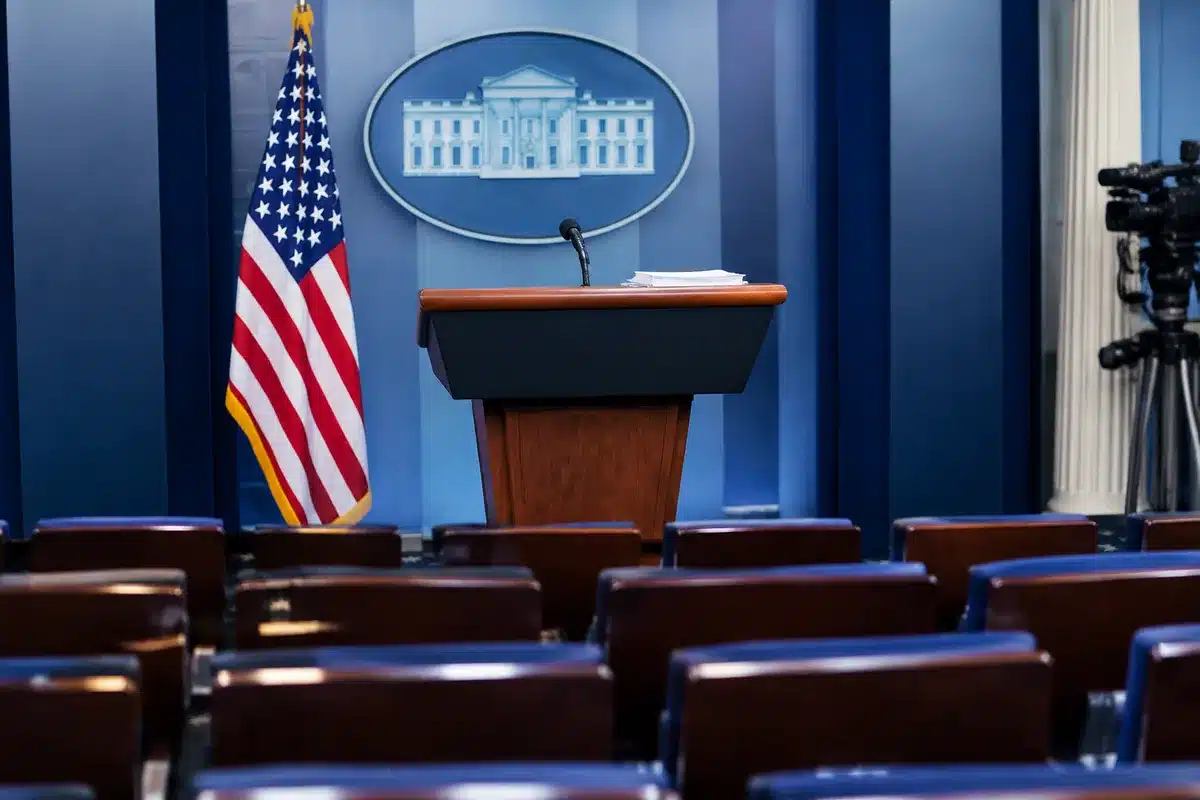
During testimony before the Senate Homeland Security and Governmental Affairs Committee, Steiner directly answered Senator Gary Peters when asked if USPS would still mail ballots in states refusing to provide their absentee voter rolls. “Under our proposed regulation? No,” Steiner replied, confirming that ballot delivery would be contingent on state compliance with the Trump administration’s demand for voter data.
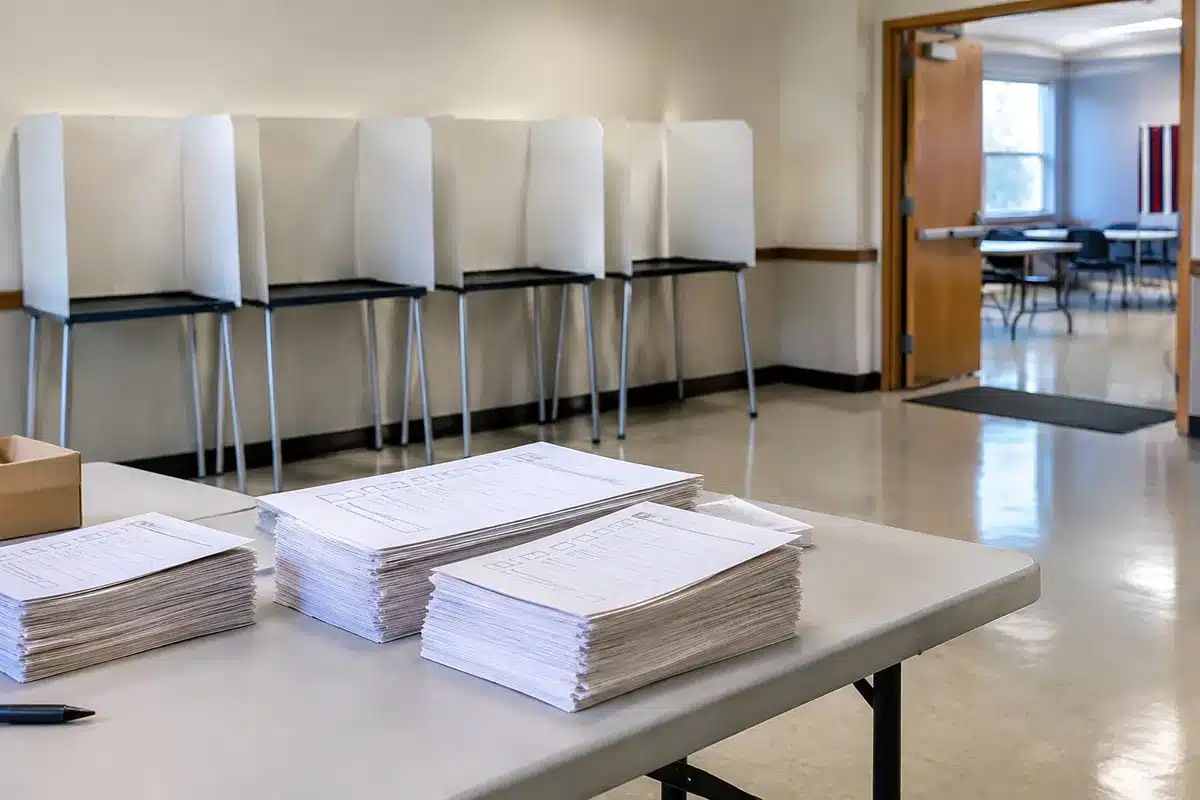
The proposed rule stems from Trump’s March 2026 executive order directing the Postal Service to regulate mail-in and absentee ballot delivery. Under the proposal, states would be required to provide USPS with lists of voters who have requested mail ballots at least 30 days before ballots are sent under state law. If voters aren’t on the list, they would not receive a ballot through the mail, effectively creating a federal registration list for absentee voters.
Steiner defended the measure as ensuring “the right ballots are going to the right people,” but Peters revealed a significant procedural problem: the USPS Board of Governors did not formally approve the proposal. All 47 Democratic senators sent a letter to the Postal Service demanding the agency abandon the plan, calling it an “unconstitutional and illegal attempt” to turn USPS into an election administration agency. Senator Elissa Slotkin of Michigan directly urged Steiner to resist, saying: “Please push back on being a pawn in this authoritarian playbook.”
Election administrators across the country have raised practical and legal concerns. Minnesota Secretary of State Steve Simon called the USPS proposal “extremely problematic on a number of levels,” noting that with 132 days until the general election, implementing such a system was unrealistic. Simon added that the proposal would conflict with his state’s election law, which has no deadline for requesting mail ballots.
Court Challenges Mount
The mail ballot order faces mounting legal scrutiny beyond the Senate. A federal appeals court dealt the Trump administration a major setback on Wednesday when the Sixth Circuit Court of Appeals rejected the Justice Department’s demand for Michigan’s voter registration data, marking the first appellate loss in the DOJ’s nationwide campaign to obtain unredacted voter rolls from states.
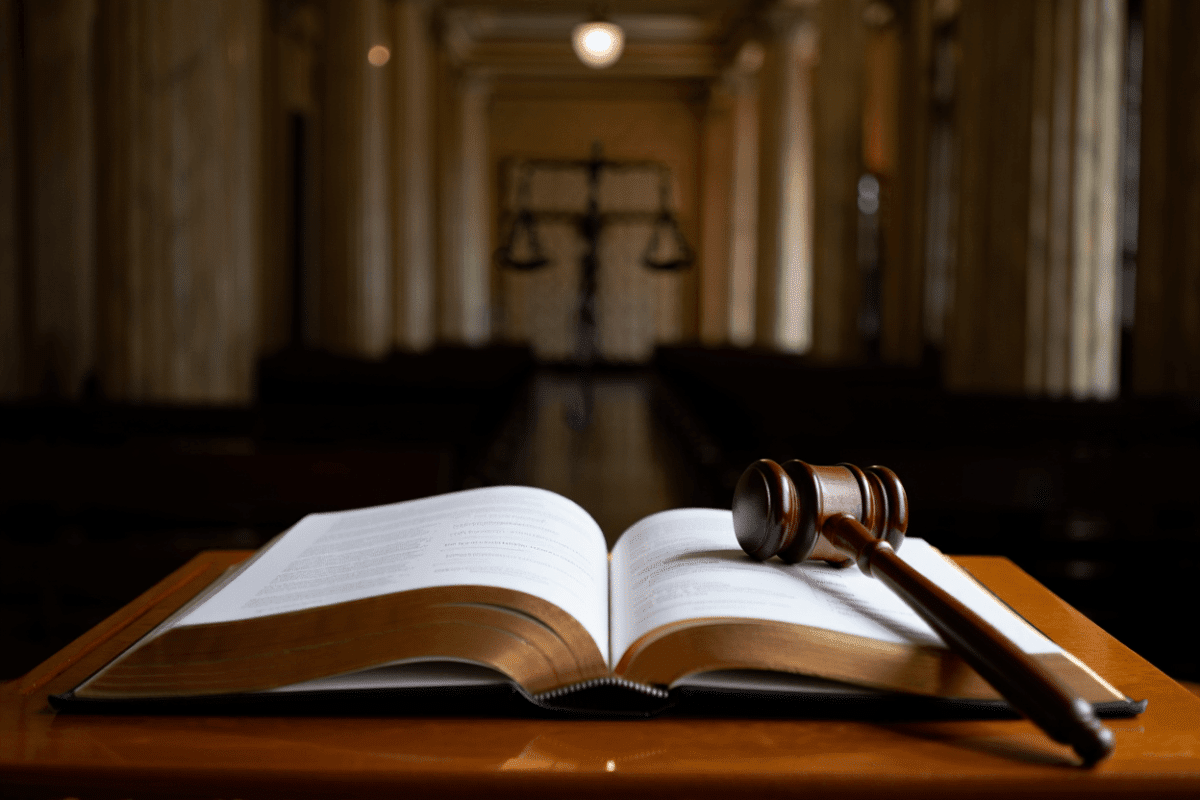
The three-judge panel upheld a lower court’s decision blocking the DOJ from accessing Michigan’s sensitive voter information, which could include Social Security numbers and driver’s license identification numbers. Circuit Judge Andre Mathis wrote that the 1960 Civil Rights Act the Justice Department relied upon “did not cover Michigan’s aggregated voter file.” The DOJ has now lost all 10 cases decided to date: 9 at the district court level and 1 at the appellate level.
Because Kentucky is also in the Sixth Circuit, Wednesday’s ruling is binding precedent for the DOJ’s pending voter roll lawsuit there, making dismissal all but certain. Appeals are already pending from the DOJ’s losses in California, Oregon, Arizona, Massachusetts, Rhode Island, Maine, and Wisconsin, giving states a major new precedent to cite as they fight similar demands.
Steve Hutkins, a retired New York University professor and leading Postal Service advocate, told Democracy Docket that implementation of the USPS mail ballot rule would be catastrophic. “It will destroy the Postal Service,” Hutkins said. “Its whole brand will be destroyed. All those states—if they can’t do voting by mail in California or Oregon because they won’t give over the lists, that’ll be the end of the Post Office.” He noted that strong mail-voting states are also the strongest defenders of the Postal Service institutionally.
Voting rights organizations have filed multiple legal challenges to Trump’s underlying executive order. A federal court in June allowed lawsuits challenging the order to proceed, and groups including the ACLU, League of Women Voters, and NAACP have argued the order exceeds presidential authority and violates the Constitution, which grants states primary control over election administration.
Trump’s executive order directs the Postal Service to issue a final rule by the end of July. The proposal is currently undergoing a 30-day public comment period.
Sources
- ECIKS.org — Postmaster General David Steiner’s testimony to Senate committee confirming USPS will not deliver mail ballots without voter lists, details of the proposed rule, and background on Trump’s March 2026 executive order
- ECIKS.org — Steiner’s Senate testimony, reactions from Democratic senators and election officials, and details of the proposed rule’s 30-day voter list requirement
- ECIKS.org — Sixth Circuit Court of Appeals ruling rejecting DOJ demand for Michigan voter data, analysis of the decision’s precedential impact, and details of the DOJ’s nationwide voter roll litigation campaign