Saving money in 2026 comes down to three core strategies that financial experts agree on: creating a budget, building an emergency fund, and using high-yield savings accounts to maximize returns on the money you set aside.
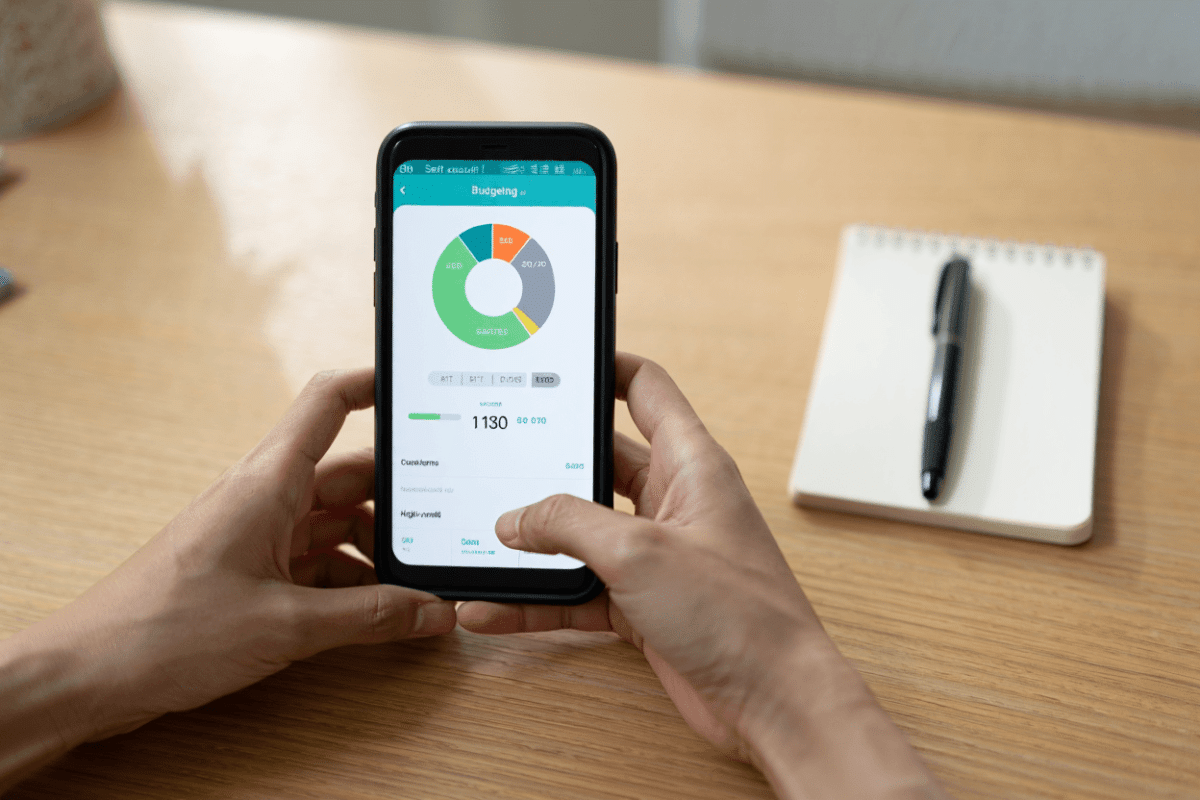
The 50/30/20 budgeting rule offers a simple framework many experts recommend for organizing your income. According to financial institutions and advisors, this approach allocates 50% of your after-tax income toward essential needs like housing, utilities, and food; 30% toward wants such as dining out and entertainment; and 20% toward savings and debt repayment. This structure helps you understand where your money goes and identify areas where you can redirect funds toward your savings goals.
Building an emergency fund remains a cornerstone of financial security. Experts, including those quoted by PBS News, recommend setting aside three to six months of essential living expenses in a dedicated account. This buffer protects you from unexpected costs like medical bills or job loss without forcing you to rely on high-interest credit cards or loans.
High-yield savings accounts have become increasingly popular for storing emergency funds and other savings. As of June 2026, top high-yield savings accounts pay around 4% APY or higher, compared to the near-zero interest traditional savings accounts typically offer. According to financial experts featured in PBS News reporting, even small contributions to a high-yield savings account could return $20 to $40 per month—substantially more than the few dollars you’d earn in annual interest with a traditional account. This difference compounds significantly over time, making high-yield accounts an accessible way to grow your savings without taking on investment risk.
Financial counselor Kumiko Love emphasized to PBS News that successful saving requires understanding your personal values and priorities. “In the world of finance, everything is a trade off,” Love said, noting that mapping out small wins along the way helps people stay committed to their goals. Tori Dunlap, a money expert and founder of the financial education platform Her First 100K, told PBS News that the first step is simply looking at your numbers without judgment. “We can’t make changes unless we actually know what’s going on, unless we know where our money’s going,” Dunlap said.
The mechanics of budgeting work best when you automate the process. Experts recommend setting up automatic transfers from your checking account to your savings account each payday, treating savings like a non-negotiable bill. This removes the temptation to spend money earmarked for your emergency fund or other savings goals, and it builds the habit of consistent saving without requiring daily discipline.
For those with fluctuating income, financial advisors suggest calculating your “bare bones budget”—the minimum amount you need each month to cover essentials. Experts recommend keeping at least one month of these bare-bones expenses in a separate, dedicated account to stabilize your cash flow during lean months. Once this baseline is secure, any extra income can be directed toward your emergency fund, debt repayment, or retirement savings based on your financial priorities.
The emphasis on emergency funds reflects lessons from economic uncertainty. When unexpected job loss or financial hardship strikes, having three to six months of expenses set aside provides breathing room to find new employment or adjust your budget without derailing your long-term financial plans. High-yield savings accounts make this safety net more attractive by ensuring your emergency fund actually earns interest while remaining accessible.
Sources
- PBS News — Expert guidance from financial counselors Kumiko Love and Tori Dunlap on budgeting, emergency funds, and high-yield savings account returns; published January 2, 2026
- NerdWallet — High-yield savings account rates and the 50/30/20 budgeting rule; updated June 2026
- Citizens Bank — Explanation of the 50/30/20 budget method dividing monthly income into needs, wants, and savings
- U.S. News & World Report — Top high-yield savings accounts currently paying around 4% APY or higher