Apple plans to raise prices on its MacBooks and iPads to offset soaring memory chip costs, CEO Tim Cook told the Wall Street Journal on June 17, citing what he called a “hundred-year flood” in the semiconductor market.
Cook said price increases are “unavoidable” as the situation has become “unsustainable.” He did not disclose the specific amount or timing of the increases, nor which products would be affected first.
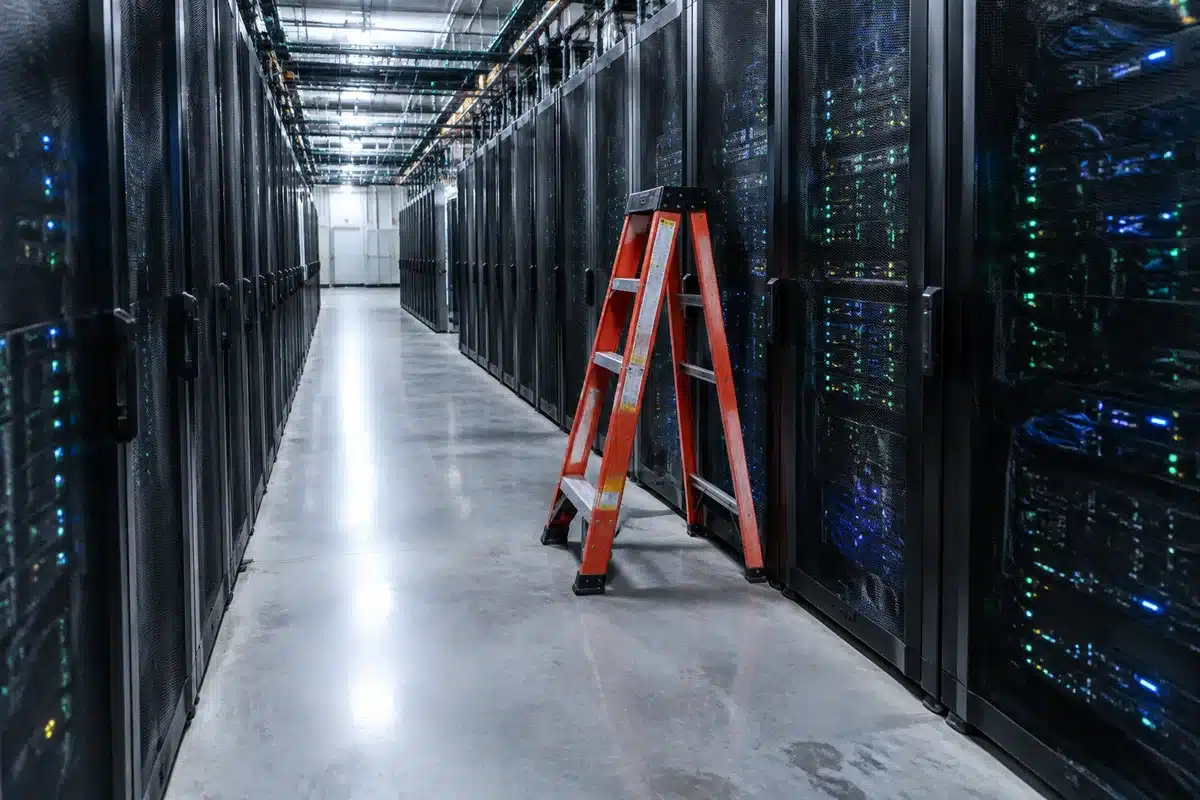
The memory chip shortage stems from an unprecedented surge in artificial intelligence demand. Data centers are now consuming roughly 70 percent of all memory chips produced globally in 2026, diverting supply away from consumer devices like smartphones, tablets, and laptops. According to BBC reporting, the price of RAM has more than doubled since October 2025.
“There’s less supply at a time when consumers want devices and the memory guys are passing along huge price increases,” Cook told the Wall Street Journal. “We definitely need memory pricing and supply to return to reasonable levels for consumer products.”
Both DRAM and storage chips are under pressure, though DRAM—the main component in computer memory—faces the greatest constraints. High-bandwidth memory, used in AI servers, is consuming wafer capacity that would otherwise go to consumer products.
Apple has already begun adjusting pricing. The company removed the entry-level Mac Mini compact computer earlier this year, raising its starting price by approximately $200. Industry research firm Omdia projects that the average selling price of smartphones globally will rise by around 20 percent in 2026 to an all-time high, with new iPhones potentially costing up to $150 more than current models to support new AI features.
Other technology companies have faced similar pressures. Sony raised PlayStation 5 prices by $100 in the US in April due to “continued pressures in the global economic landscape.” Nintendo announced a price increase for its Switch 2 console starting in September. Samsung and TSMC—major chip suppliers—have also signaled that rising costs will likely force price increases across the industry.
Cook indicated Apple is considering multiple options to address the shortage. He said the company is “willing to use our balance sheet to help be a part of the solution” and called for all supply options to be examined, including potential easing of restrictions on working with Chinese memory manufacturers. However, he ruled out Apple building its own memory and storage factories.
Sources
- Reuters — Apple CEO Tim Cook’s statement that price increases are unavoidable due to memory chip shortage
- BBC — Price increases confirmed by Cook; RAM prices more than doubled since October 2025; average smartphone prices expected to rise 20 percent in 2026
- MacRumors — Tim Cook’s quotes on memory and storage chip costs
- ABC News — Tim Cook’s “hundred-year flood” comment on the chip shortage
- Everstream Analytics — Data centers consuming 70 percent of memory chips produced in 2026
- Bloomberg — Data center DRAM consumption reaching 50 percent of global consumption in 2025