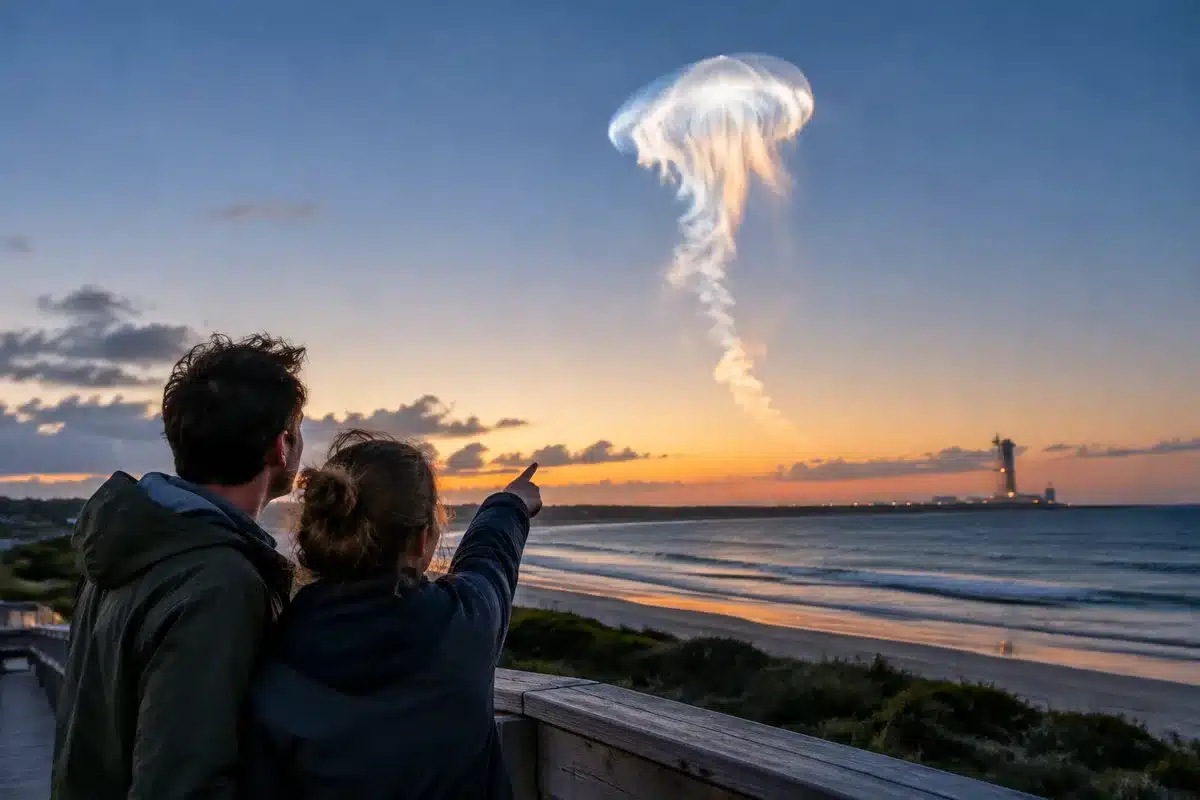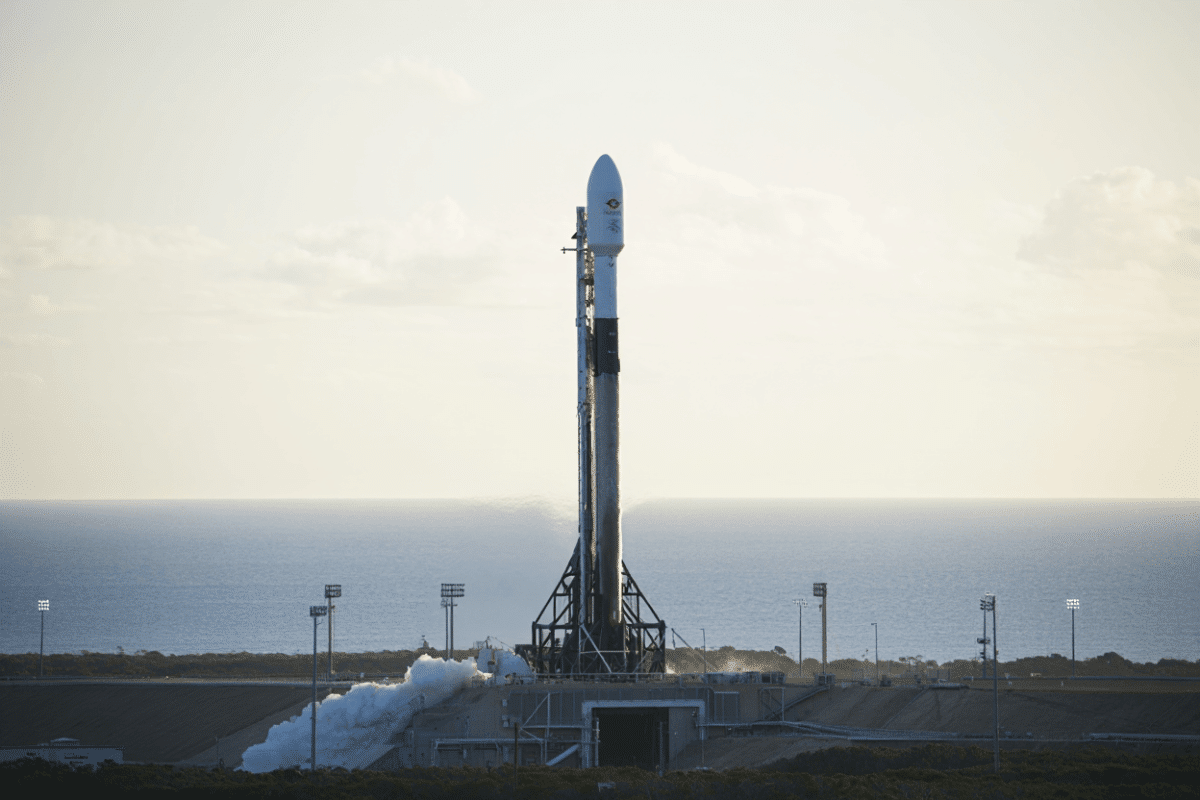
SpaceX launched 24 Starlink satellites from Vandenberg Space Force Base in California on June 21, adding to its rapidly expanding constellation in low Earth orbit.
The Falcon 9 rocket lifted off at 9:39 a.m. PDT (12:39 p.m. EDT / 1639 UTC) from Space Launch Complex 4 East, carrying the Starlink 17-28 mission on a south-southwesterly trajectory. Nearly 8.5 minutes after liftoff, the first-stage booster successfully landed on the drone ship “Of Course I Still Love You” in the Pacific Ocean.
The booster, designated B1063, was one of SpaceX’s most heavily used Falcon 9 rockets, flying its 33rd mission. Previous flights included NASA’s DART asteroid impact test, the Transporter-7 rideshare mission, and Iridium OneWeb communications satellites. The successful landing marked the 627th booster recovery for SpaceX to date and the 204th landing on that particular drone ship.
The deployment adds to SpaceX’s rapid expansion of Starlink, which as of June 2026 consisted of approximately 10,413 satellites in orbit, with 10,397 operational and serving internet users globally. By mid-June, SpaceX had already deployed 1,517 Starlink satellites in 2026 alone, reaching nearly half of all satellites launched during the entire previous year.
The June 21 launch was the 72nd Falcon 9 flight of 2026, reflecting the sustained pace of SpaceX’s launch cadence as it continues to build out its satellite internet network and pursue its goal of expanding Starlink to over 42,000 satellites in the coming years.
Sources
- Spaceflight Now — launch details, booster recovery information, and mission specifics
- Space.com — launch confirmation and constellation size as of June 2026
- Wikipedia — Starlink constellation operational satellite count (10,397 operational as of June 2026)
- Facebook Space Fans — 2026 deployment count (1,517 satellites by June 15)