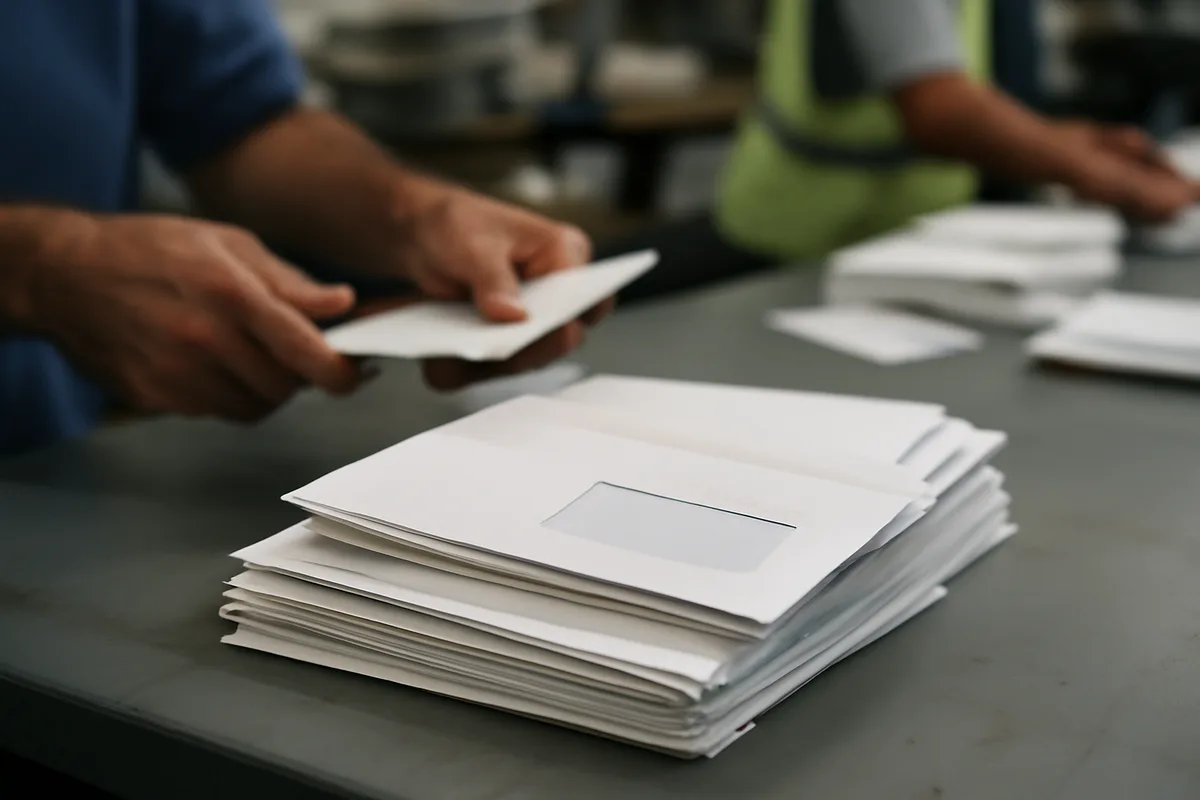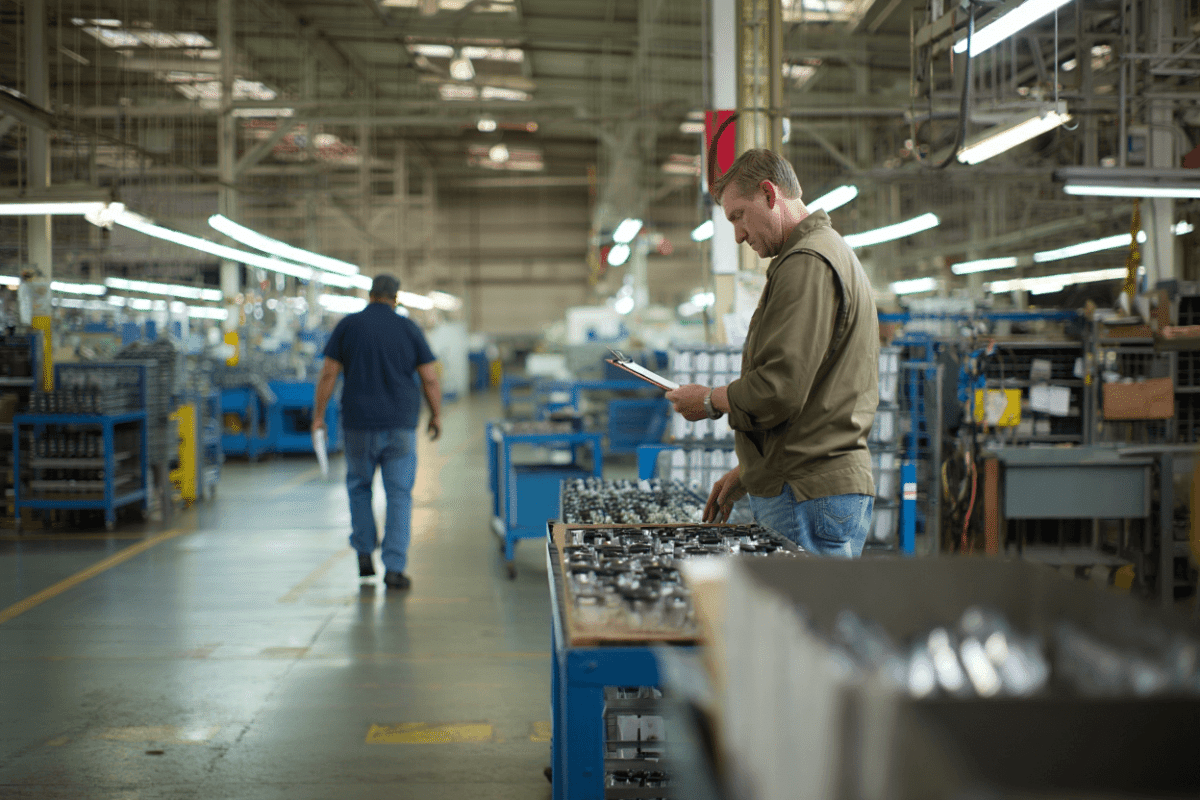
Factory employees face job cuts at the highest rate since the 2009 financial crisis, according to an S&P Global report released Tuesday, as manufacturers grapple with rising costs and demand uncertainty despite broader strength in the manufacturing sector.
S&P Global’s flash manufacturing purchasing managers index came in at 55.7 in June, its highest reading in 49 months and up from 55.1 in May. However, the strong headline number masked a sharp deterioration in employment, with the employment component of the index dropping to 47.0, the lowest reading since May 2020, according to Reuters.
“Factory job cuts are running at the highest since 2009 if the pandemic is excluded, reflecting concerns over the sustainability of the recent upturn in demand alongside worries over the escalating cost of raw materials,” said Chris Williamson, chief business economist at S&P Global Market Intelligence, in a statement cited by Reuters.
Manufacturers have reduced headcount in three of the past four months as they seek to control expenses amid persistent inflation pressures. The cuts reflect a troubling disconnect: while factory output expanded in June, driven partly by companies front-loading orders to avoid supply disruptions and price spikes tied to the Middle East conflict, hiring ground to a halt.
The Middle East conflict, now in its fourth month, has strained global supply chains and driven up prices for commodities tied to crude oil as well as aluminum and fertilizers. Though the U.S. and Iran signed an interim agreement last week to end the war, manufacturers remain cautious. S&P Global attributed the job cuts to “concerns over the outlook and in response to rising overheads, notably in terms of raw material prices,” according to Reuters.
Despite the factory sector’s pain, overall employment has held up better. Manufacturing employment rose by 23,000 in 2026 through May, according to the Bureau of Labor Statistics, cited by CNBC. Private payrolls growth has also regained momentum, averaging 166,000 jobs per month in the three months through May, compared to only 62,000 during the same period in 2025, according to Reuters.
The tension between output and employment reflects a broader manufacturing squeeze. Inventory rebuilding drove much of June’s output growth as companies raced to stock up ahead of potential shortages and tariff-driven price hikes. S&P Global’s gauge of stock purchases reached its highest level in 13 months, and supplier delivery times extended to levels last seen in August 2022. Yet as input costs remain elevated—S&P Global’s measure of prices paid by factories for inputs stood at 71.2 in June—manufacturers are cutting staff rather than expanding capacity.
The employment contraction stands out as the most worrying signal in the June data. “Most worrying was the further fall in employment, notably in the manufacturing sector,” Williamson said, according to CNBC. The job cuts suggest that despite near-term demand support from inventory building, manufacturers doubt the sustainability of the current expansion and are preparing for a potential slowdown.
Sources
- CNBC — reported June 2026 manufacturing PMI at 55.7, employment concerns, and year-to-date manufacturing employment gains of 23,000
- Reuters — confirmed manufacturing employment fell to 47.0 (six-year low), detailed Middle East conflict impact on supply chains, and cited Chris Williamson’s analysis on job cuts running at highest since 2009
- Yahoo Finance / Quartz — confirmed June PMI at 55.7, highest in 49 months, and detailed inventory rebuilding and employment decline