
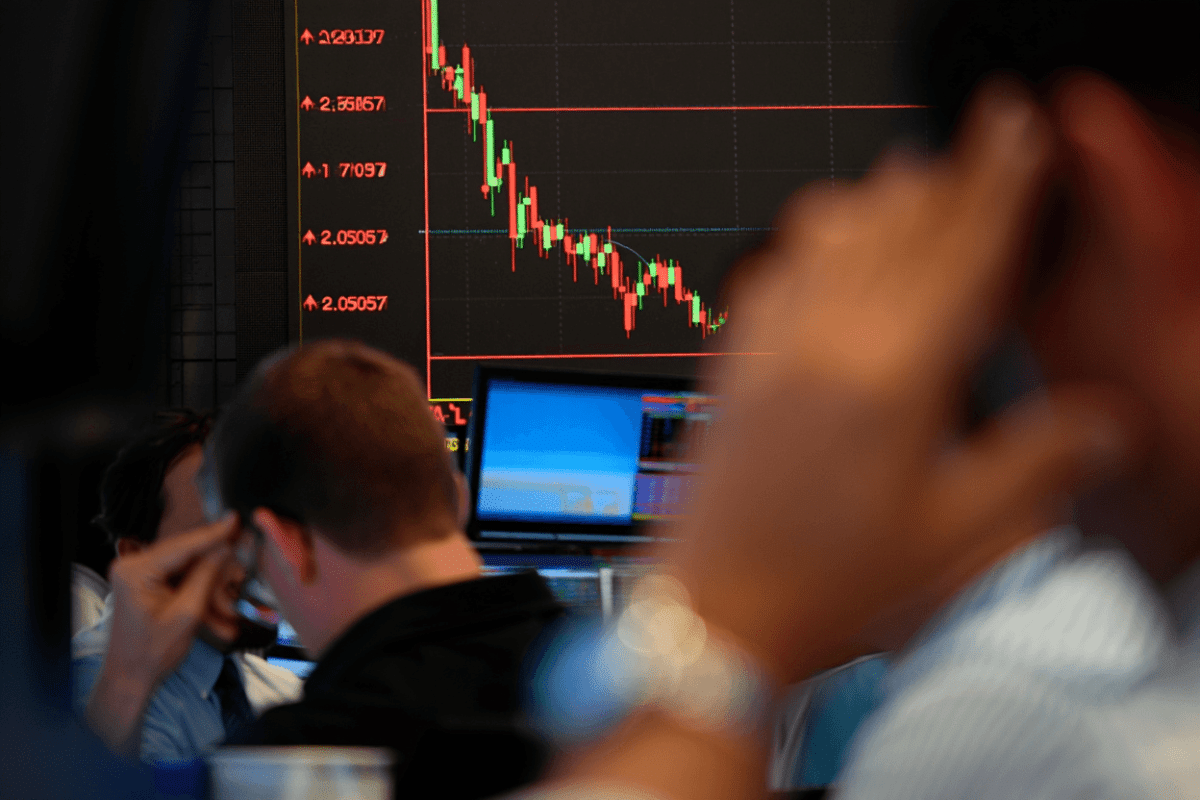
SpaceX stock fell 8% on Monday, extending a three-day selloff that has wiped away most of the gains from the company’s record-breaking initial public offering just 10 days earlier. Shares of Elon Musk’s space and AI company, which debuted on June 12 at $135 per share, have retreated from a peak above $225 to around $170 as the post-IPO rally fades.
The stock’s decline marks a sharp reversal from its blockbuster start. On its first day of trading, SpaceX surged 19% to close at approximately $160.95, according to CNBC and the Wall Street Journal. The rally accelerated in the following days, with shares climbing another 20% on June 15 and reaching an intraday high above $225 on June 16, briefly pushing the company’s market value past both Amazon and Microsoft.
The initial momentum was fueled by limited supply: SpaceX made less than 5% of its shares available to public investors, creating a scarcity effect that propelled valuations higher. But that dynamic has reversed as profit-taking and analyst skepticism set in.
The Valuation Question Emerges
Wall Street’s enthusiasm has cooled notably. KeyBanc initiated coverage of SpaceX stock on Monday with a Sector Weight rating, citing concerns about the company’s valuation. Analyst Michael Leshock noted that SpaceX is trading at a price-to-sales ratio of approximately 29 times his forecast for 2027 revenue, a significant premium to peers across the space, telecom, and AI sectors, according to Barron’s.
“SpaceX possesses significant disruptive growth avenues, though we believe this is reflected in current valuation and risk/reward appears balanced, in our view,” Leshock wrote. KeyBanc emphasized that progress on SpaceX’s Starship reusable rocket will be crucial for validating the company’s growth prospects in its Starlink satellite broadband and orbital AI data center segments.
The average investor who bought SpaceX shares after its debut has seen nearly all gains disappear, according to CNBC. By the end of last week, buyers at market prices were nearly underwater despite the stock remaining well above its $135 IPO price.
Despite the recent pullback, SpaceX announced on Monday that it would issue investment-grade dollar bonds to repay outstanding borrowings under a bridge loan facility. The company also disclosed that it held $100.8 billion in cash and cash equivalents as of June 19, underscoring its strong financial position even as equity investors reassess their holdings.
The three-day decline suggests that the initial excitement surrounding the historic IPO—which made Elon Musk the world’s first trillionaire on paper and created thousands of new millionaires—has given way to more measured valuations. History offers a cautionary note: mega-IPOs exceeding $50 billion have historically delivered a median one-year return of negative 31.9%, according to Yahoo Finance research cited by market observers.
Sources
- CNBC — SpaceX stock decline on June 22, IPO details, cash disclosure, and average buyer performance
- Barron’s — KeyBanc analyst rating, valuation metrics, and stock price movements
- Bloomberg — Stock price on June 16 ($192.46 close) and market value milestones
- Wall Street Journal — IPO debut details and intraday peak on June 16
- Reuters — IPO pricing at $135 per share and $75 billion raise
- Yahoo Finance — Historical mega-IPO returns data










