The Trump Accounts mobile app launches Thursday, introducing an exciting new financial education tool for American families as the platform prepares for its official July 4, 2026 rollout. The app will feature eight exclusive financial literacy modules that families can access immediately, giving parents and children a head start on understanding investment fundamentals before account enrollment begins.
🔥 Quick Facts
- App Launch: Thursday, May 29, 2026 (accessible to families beginning this week)
- Account Enrollment Begins: July 4, 2026 as part of the One Big Beautiful Bill
- $1,000 Federal Seed Deposit for eligible children born between January 1, 2025 and December 31, 2028
- Eight Financial Literacy Modules included in the app for pre-launch family education
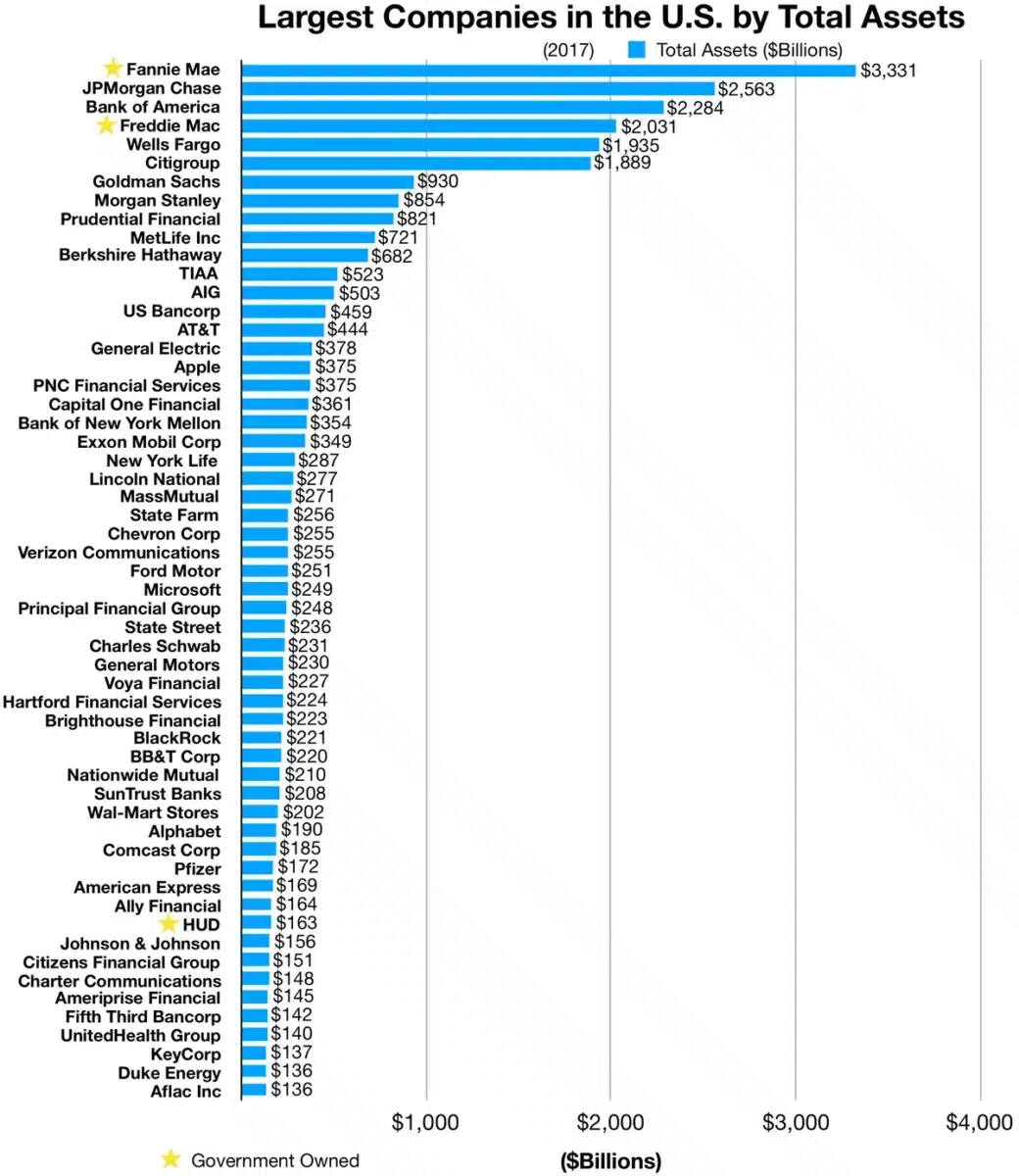
- Partners: Bank of New York Mellon (BNY) and Robinhood managing the platform and brokerage services
Understanding Trump Accounts as a Financial Literacy Initiative
Trump Accounts represent a significant shift in how America approaches children’s financial education. Unlike traditional savings vehicles that simply accumulate funds, these accounts combine government support with hands-on investment learning. Created under the One Big Beautiful Bill signed into law on July 4, 2025, Trump Accounts directly address a critical gap in American financial literacy—according to recent data, less than half of U.S. adults can correctly answer basic financial questions about interest and inflation.
The tax-advantaged investment account structure allows children (owned by the child, administered by a custodian parent or guardian) to build long-term wealth while learning fundamental economic principles. The $1,000 federal seed contribution isn’t just free money—it’s a teaching tool that demonstrates compound growth, investment choices, and wealth-building strategies from childhood.
What the App’s Financial Literacy Modules Will Teach
The eight exclusive modules launching this Thursday represent the White House education strategy for the Trump Accounts program. While specific module titles have not been publicly detailed by Treasury officials, the curriculum is designed to build progressive financial competency across multiple domains.
Based on Treasury Department communications, the modules will likely cover: foundational investing principles (how stocks and bonds work), savings discipline and goal-setting (why starting early matters), risk understanding (diversification and portfolio basics), tax-advantaged growth (how Trump Accounts provide benefits over regular savings), long-term wealth-building strategies (compound interest mechanics), and financial decision-making (evaluating investment options). These educational components distinguish Trump Accounts from passive savings products.
Parents can access all eight modules immediately upon app download on Thursday—before children can even open accounts on July 4. This extended preview period allows families to prepare, understand the platform, and make informed decisions about how to structure their contributions and investment selections.
Platform Architecture: BNY Mellon and Robinhood Partnership
| Component | Details |
| Financial Agent | Bank of New York Mellon (BNY) – manages national infrastructure; designated April 6, 2026 |
| Brokerage Partner | Robinhood Markets – initial trustee; develops and operates the mobile app |
| App Availability | iOS and Android; educational modules available May 29, 2026 |
| Account Features | Account opening, investment selection, balance tracking, educational resources |
| Contribution Limits | Up to $5,000 annually per child (plus $1,000 federal seed for eligible newborns) |
The BNY Mellon-Robinhood partnership represents significant fintech infrastructure integration with traditional banking. BNY’s role as financial agent demonstrates institutional commitment to the program’s long-term viability, while Robinhood’s brokerage expertise ensures accessible investment options for families. This combination addresses a critical need: making investment management simple enough for working parents while educational enough for curious children.
Eligibility Requirements and Rollout Timeline
Children born between January 1, 2025 and December 31, 2028 are eligible for the $1,000 automatic federal deposit. Parents or guardians enroll children by completing IRS Form 4547 starting July 4, 2026. The account remains in the child’s name until age 18, at which point it automatically converts to a traditional IRA the child may continue managing independently.
The phased rollout is strategic: educational access beginning May 29, 2026 allows months of family preparation before enrollment opens on July 4. This extended timeline reduces confusion at launch and gives families time to download the app, review the literacy modules, and prepare contribution strategies. The Treasury Department has already enrolled approximately 4 million children using preliminary registration methods, with over 1 million families claiming the $1,000 pilot contribution.
“Trump Accounts provide an opportunity to instill financial responsibility and investment awareness in America’s next generation, beginning from infancy. The combined federal seed contribution and educational framework create powerful incentives for families to engage in long-term wealth-building.”
— Treasury Department official statement, May 2026
What Parents Should Know Before Thursday’s Launch
The Thursday app launch focuses on education, not yet on account management. Families won’t be able to deposit funds or select investments until July 4. Instead, the app serves as a preparation tool—allowing parents to understand the account mechanics, explore the eight financial literacy modules, and plan their contribution strategies in advance.
Key considerations for parents: The Trump Account is custodian-designated, meaning parents or guardians retain full administrative control until the child reaches age 18. Funds are protected until maturity—money cannot be withdrawn except under specific hardship circumstances, ensuring true long-term growth. Investment options will include age-based diversified portfolios, target-date funds, and individual stock/ETF selection, allowing customization based on family risk tolerance.
The financial literacy modules represent the program’s most innovative feature. Rather than forcing passive savings, the app teaches children (and parents) about compounding, diversification, and market fundamentals. This educational emphasis distinguishes Trump Accounts from 529 college savings plans or Coverdell accounts, positioning the program as a comprehensive wealth-building and education initiative.
How Does This Compare to Existing Children’s Savings Programs?
Traditional options like 529 education savings plans and Coverdell accounts focus narrowly on college funding. ABLE accounts serve disabled beneficiaries. Custodial brokerage accounts lack tax advantages and require active parental management. Trump Accounts occupy a unique middle ground: federal seed funding meets tax-deferred growth meets mandatory financial education.
The eight-module curriculum embedded in the app creates a competitive advantage no other children’s account offers. Parents using traditional vehicles must source financial education separately—YouTube videos, books, financial advisors. With Trump Accounts, education comes integrated within the platform, ensuring families engage with concepts while managing the account itself.
What Questions Will Parents Want Answered by July 4?
Will the Trump Accounts educational model actually change how American families approach children’s financial literacy? This question will determine the program’s long-term impact. More immediately, families wonder: Which investment options will be available? How do account rollovers work at age 18? Can contributions be made on behalf of older children born before 2025? Will employers participate, and how does this affect the $5,000 annual contribution limit?
The eight modules launching Thursday will address many foundational questions, but the real test comes during the July 4 enrollment window. Will millions of families recognize Trump Accounts as a genuine wealth-building tool, or will adoption lag due to complexity, skepticism, or competing priorities? The app’s design and educational clarity will significantly influence that outcome.
Sources
- Fox Business – White House unveils Trump Accounts mobile app ahead of July 4 rollout (May 27, 2026)
- CNN – Trump Accounts app to go live Thursday with eight financial literacy modules (May 27, 2026)
- Wall Street Journal – Exclusive: Trump Account app will launch Thursday (May 27, 2026)
- U.S. Treasury Department – Trump Accounts official information and BNY Mellon partnership announcement (April-May 2026)
- IRS – Trump Accounts registration and enrollment details; 4 million children enrolled pilot program (2026)
- CNBC – Robinhood and BNY to build Trump Accounts app; Treasury partnership (April 6, 2026)
- Bank of New York Mellon – Official designation as financial agent for Trump Accounts program (April 6, 2026)