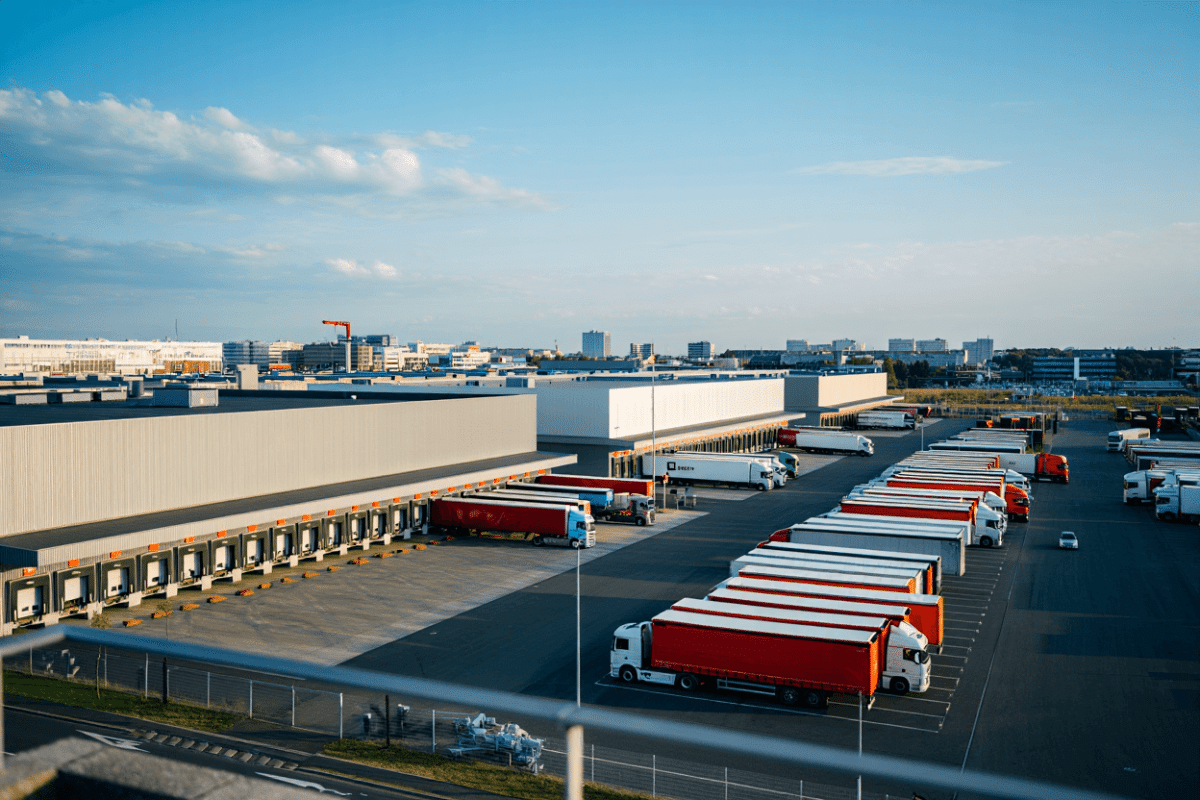
H-E-B, Texas’s largest private employer, announced a $700 million supply chain expansion in San Antonio that will create 720 jobs by 2028 and over 1,200 positions within the next decade. The company identified its Foster Road campus on the city’s East Side as the potential hub for this historic investment in regional infrastructure and workforce development.
🔥 Quick Facts
- $700 million investment represents H-E-B’s largest supply chain expansion to date
- 720 full-time jobs expected by 2028 with additional 500+ roles over the following decade
- Foster Road facility on San Antonio’s East Side selected as the expansion site
- $15 million tax abatement requested from Bexar County to support the project
- Project timeline extends through the next 10 years of phased construction
H-E-B’s Strategic Position in Texas Retail and Supply Chain Excellence
H-E-B Grocery Company has dominated Texas retail since 1905, growing from a single grocery store in Kerrville to a privately held supermarket chain operating 455+ stores across Texas and Mexico. The company generates approximately $50 billion in annual revenue and employs over 175,000 partners—making it the state’s largest private employer by a significant margin.
The grocery giant built its competitive advantage through vertical integration of its supply chain, owning its own trucking fleet, manufacturing facilities, and distribution centers. Most H-E-B stores receive deliveries 3 to 5 times per week, a logistics strategy that minimizes spoilage, reduces carrying costs, and keeps inventory lean—a model that has proven resilient through economic cycles and competitive pressure from national chains.
The $700 Million Expansion: Scope, Scale, and Economic Significance
The Foster Road campus expansion represents H-E-B’s largest strategic supply chain investment in company history. The project was announced on May 19, 2026, following approval by the company’s leadership. While the company has not released detailed architectural plans, industry sources describe the project as involving new warehouse construction, manufacturing upgrades, and logistics automation—all designed to increase efficiency and capacity as Texas’s population continues to grow.
The 870-acre Foster Road facility already houses an H-E-B Retail Support Distribution Center and manufacturing operations. The expansion will leverage existing infrastructure while adding substantial new infrastructure on the campus. The company stated the project could begin as early as July 2026 and unfold over multiple phases through 2036, allowing for strategic buildout and workforce scaling.
According to H-E-B’s announcement, the expansion is designed to serve the growing demand across Texas and Mexico, particularly as the state adds over 300,000 residents annually. The company emphasized that supply chain efficiency directly impacts customer experience—faster inventory turnover, fresher products, and more competitive pricing.
Job Creation and Economic Impact on San Antonio’s Labor Market
| Metric | H-E-B Expansion | San Antonio Context |
| Jobs by 2028 | 720 full-time positions | Significant boost to region’s workforce |
| 10-Year Total | 1,200+ positions | Sustained employment growth through 2036 |
| Unemployment Rate (April 2026) | Direct employment support | 3.8% (lowest in region) |
| Investment Amount | $700 million | One of largest retail infrastructure projects in Texas |
| Wage Structure | Distribution, warehouse, and technical roles | Mix of entry-level and skilled positions |
The 720 jobs expected by 2028 will include warehouse positions, equipment operators, logistics coordinators, manufacturing technicians, and management roles. H-E-B historically provides competitive wages, benefits, and advancement opportunities compared to traditional retail employers—a factor that strengthens San Antonio’s labor market position.
San Antonio’s unemployment rate of 3.8% in April 2026 positions the region well to absorb these new roles while attracting talent from surrounding areas. The expansion occurs during a period of sustained workforce demand across Texas logistics and retail sectors.
Tax Incentives and Government Support
H-E-B requested a $15 million tax abatement from Bexar County to offset capital costs associated with the expansion. Tax abatement programs are designed to incentivize major economic development projects by temporarily reducing property tax obligations during the construction and ramp-up phases.
The company framed the expansion as reinforcing its commitment to being a “powerful economic driver for Texas”—language that emphasizes the project’s regional significance beyond H-E-B’s direct operations. The facility will support grocery distribution across multiple states, retail operations, and supply chain resilience for the entire Southwest region.
What This Expansion Means for Texas Retail and Supply Chain Competitiveness
The $700 million investment signals confidence in the Texas market and supply chain efficiency as competitive advantages over national retailers. H-E-B competes directly with major national chains (Walmart, Kroger, others) that have headquarters and operations elsewhere, making supply chain speed and efficiency critical to market dominance.
New automation technologies are likely to be part of this expansion, including advanced material handling systems, warehouse management software, and logistics optimization tools. These investments typically improve throughput by 20-40% per employee, translating to lower cost-per-unit and more competitive pricing for consumers.
The expansion also addresses climate resilience and supply chain redundancy—factors that became critical after global supply chain disruptions in 2021-2023. Having a second-generation distribution hub allows H-E-B to distribute inventory more flexibly and respond faster to regional demand spikes.
Will This Supply Chain Expansion Change How San Antonio Shoppers Experience H-E-B?
The most direct benefit to consumers will be faster product freshness and more consistent in-store availability. Larger distribution hubs and automated systems mean H-E-B stores will receive deliveries with fresher produce, meat, and prepared foods, while maintaining lower inventory carrying costs that can translate to competitive pricing.
Second, the expansion may accelerate H-E-B’s e-commerce and curbside services, which rely heavily on distribution hub efficiency. The company has been investing in digital channels to compete with Amazon and traditional retailers. A modernized supply chain makes same-day delivery and curbside pickup more economically viable at scale.
Finally, the project reinforces H-E-B’s long-term commitment to San Antonio as its corporate home, a symbolic and economic statement in an era when large employers increasingly relocate operations to lower-cost regions.
Sources
- H-E-B Newsroom – Official announcement of $700M supply chain expansion investment
- San Antonio Express-News – Report on H-E-B’s tax abatement request to Bexar County
- Grocery Dive – Industry analysis of H-E-B’s supply chain strategy and project timeline
- San Antonio Report – Regional economic impact assessment and Foster Road facility details
- BLS and Federal Reserve – San Antonio unemployment data and Texas economic indicators