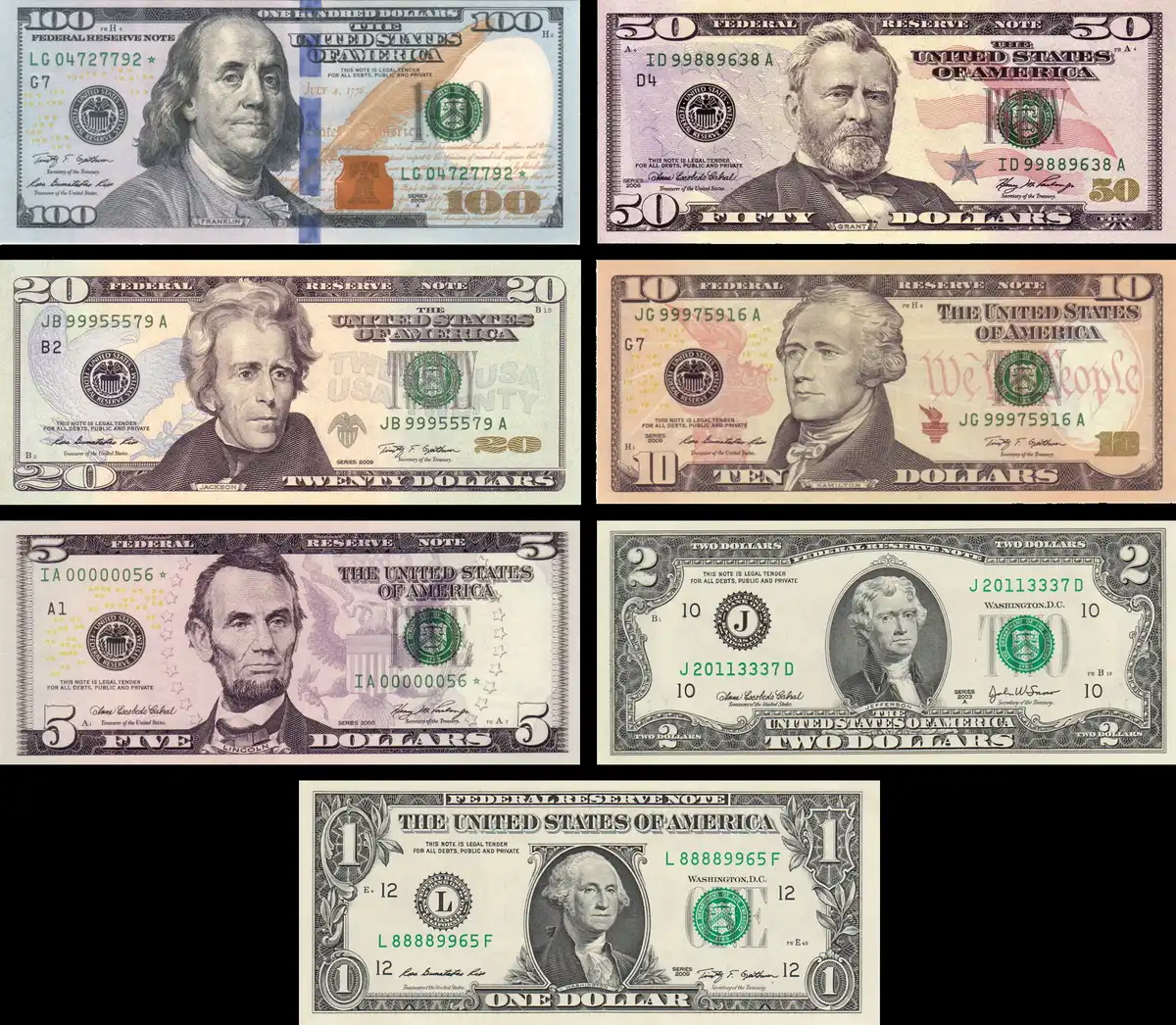
The NYSE and Nasdaq will remain closed on Monday, May 25, 2026, for Memorial Day, resuming normal trading operations Tuesday, May 26 at 9:30 a.m. ET. The closure marks the market’s observance of the federal holiday, while simultaneously, 39.1 million Americans are expected to travel by road this weekend—many facing elevated gasoline prices and airline fares that have surged 20.7% compared to the prior year.
🔥 Quick Facts
- NYSE and Nasdaq close Monday, May 25, 2026 for Memorial Day
- Bond markets close early Friday, May 22 at 2 p.m. ET
- 45 million Americans projected to travel over the long weekend
- Crude oil at $104.68/barrel, pushing average gas prices near $4.80/gallon
- Airfares up 20.7% year-over-year; lodging costs rise 4.3%
Stock Market Closure and Trading Schedule
The New York Stock Exchange, Nasdaq, and all U.S. equity markets will fully close on Memorial Day, observing the federal holiday that honors fallen service members. Investors and traders should note that the U.S. Treasury bond market will close early on Friday, May 22 at 2 p.m. ET—a crucial detail for fixed-income portfolio managers and institutional traders. Markets reopen Tuesday morning, May 26 at standard trading hours, giving investors a three-day weekend starting after Friday’s close.
This annual closure affects all major indices including the S&P 500, Dow Jones Industrial Average, and Nasdaq Composite. Traders managing positions ahead of the holiday should adjust their strategies accordingly, as liquidity will be limited during the extended weekend.
Travel Surge Amid Historic Gas Price Pressures
Despite record high fuel costs, crude oil price movements continue to influence consumer travel decisions. The American Automobile Association (AAA) projects 45 million Americans will travel over the Memorial Day weekend, with 39.1 million choosing to drive—a slight increase from last year despite elevated fuel expenses. Gasoline prices have stabilized around $4.80 per gallon on average, compared to $3.00 per gallon in January 2026. This represents a significant burden for road-trippers, as the average family filling a 15-gallon tank faces an additional cost approaching $12-15 compared to earlier in the year.
Economists attribute the sustained high prices to geopolitical tensions, with crude oil trading at $104.68 per barrel as of late May. Market analysts note that every $10 increase in West Texas Intermediate (WTI) crude translates to roughly $0.20-0.30 added per gallon at the pump—a direct pass-through that shapes holiday travel economics.
Comprehensive Cost Analysis for Memorial Day Travel
Summer 2026 has emerged as the most expensive travel season in recent memory. Beyond gasoline, travelers face broad-based inflation across accommodations, dining, and activities.
| Travel Category | Current Cost | Year-over-Year Change |
| Airline Fares | Peak rates | +20.7% (highest since 2022) |
| Gasoline (per gallon) | ~$4.80 average | +60% from January 2026 |
| Lodging | Peak rates | +4.3% year-over-year |
| Dining Out | Higher menus | +3.6% year-over-year |
| Activities & Recreation | Premium pricing | +5.5% year-over-year |
According to CNBC and USA Today analysis, a typical family of four planning a four-day road trip will pay between $200-300 more on fuel alone compared to last year’s holiday weekend. When combined with higher hotel rates and restaurant prices, the total holiday cost increase approaches $400-500 per family—a meaningful expense that is causing some travelers to shorten trips or pivot to staycations.
“Nearly a third of travelers indicated that gas prices will significantly impact their vacation decisions in the coming six months. The sustained elevation in crude oil prices, combined with broad inflation across travel sectors, has fundamentally altered household budgeting for summer 2026.”
— Travel Analyst Assessment, American Automobile Association, May 2026
Market Dynamics and Forward-Looking Implications
The market closure coincides with a period of significant economic scrutiny. Wall Street has been closely monitoring inflation data and Federal Reserve policy signals before the holiday break. The sustained elevation in gasoline and crude prices feeds into broader consumer price inflation, which climbed 0.9% in March 2026—the largest monthly gain in nearly four years. Gasoline price volatility alone drove much of this increase, with petrol surging 21.2% month-over-month in March.
Looking ahead to the remaining trading year, analysts are watching for potential resolution of geopolitical tensions and energy supply normalcy. Should crude decline toward the $90-95 per barrel range, consumers would see modest relief at the pump by early summer. However, current expectations suggest crude will remain elevated, with West Texas Intermediate continuing to reflect global risk premiums. This dynamic has direct implications for Fed policy, consumer spending, and equity market valuations in Q2 and Q3 2026.
Will Record Holiday Travel Withstand the Financial Headwinds?
A critical question emerges: despite the highest travel costs in years, why are Americans still hitting the roads in near-record numbers? The answer reflects resilience in household finances and pent-up demand for experiences after recent market volatility. Consumer sentiment surveys show that 93% of Americans plan to travel at some point in 2026, with holiday weekends representing bucket-list opportunities many are unwilling to defer. Additionally, stock market strength and recent equity gains have bolstered investor and household confidence, offsetting inflation concerns for discretionary spending.
Whether this pattern sustains through the summer season—particularly if crude prices escalate further—will be a key indicator of consumer health heading into the latter half of 2026. Travel industry watchers note that the next major inflection point will arrive in mid-June around Father’s Day, when booking and travel patterns should reveal whether the Memorial Day surge represents peak demand or merely a preview of sustained summer travel appetite.
Sources
- New York Stock Exchange – Official holiday trading schedule for 2026
- NASDAQ – U.S. Equity and Options Markets Holiday Calendar
- American Automobile Association (AAA) – Memorial Day weekend travel forecast and gas price analysis
- Fortune Markets – Crude oil pricing data as of May 22, 2026
- CNBC – Travel inflation analysis and airfare trends
- USA Today – Consumer cost impact and travel budget analysis
- Associated Press – Fuel price implications for holiday travel
- CBS News – “Vacation inflation” trends across travel sectors