The Long Island Rail Road strike has ended after 72 hours of disruption to North America’s largest commuter rail system. A tentative labor agreement was reached between MTA leadership and five unions on Monday, May 18, with limited service resuming at noon on May 19 and full service expected by evening rush hour. This marks the LIRR’s first work stoppage in over 30 years.
🔥 Quick Facts
- 72-hour strike impacted 300,000 daily commuters across Long Island and New York City
- 3,500 rail workers from five unions walked off the job on Saturday, May 16
- $61 million in lost commerce per day during the service suspension period
- First LIRR strike since 1994, ending a 32-year labor peace on the system
- Tentative deal requires union member ratification before becoming official
Historic Disruption Ends After Three-Day Shutdown
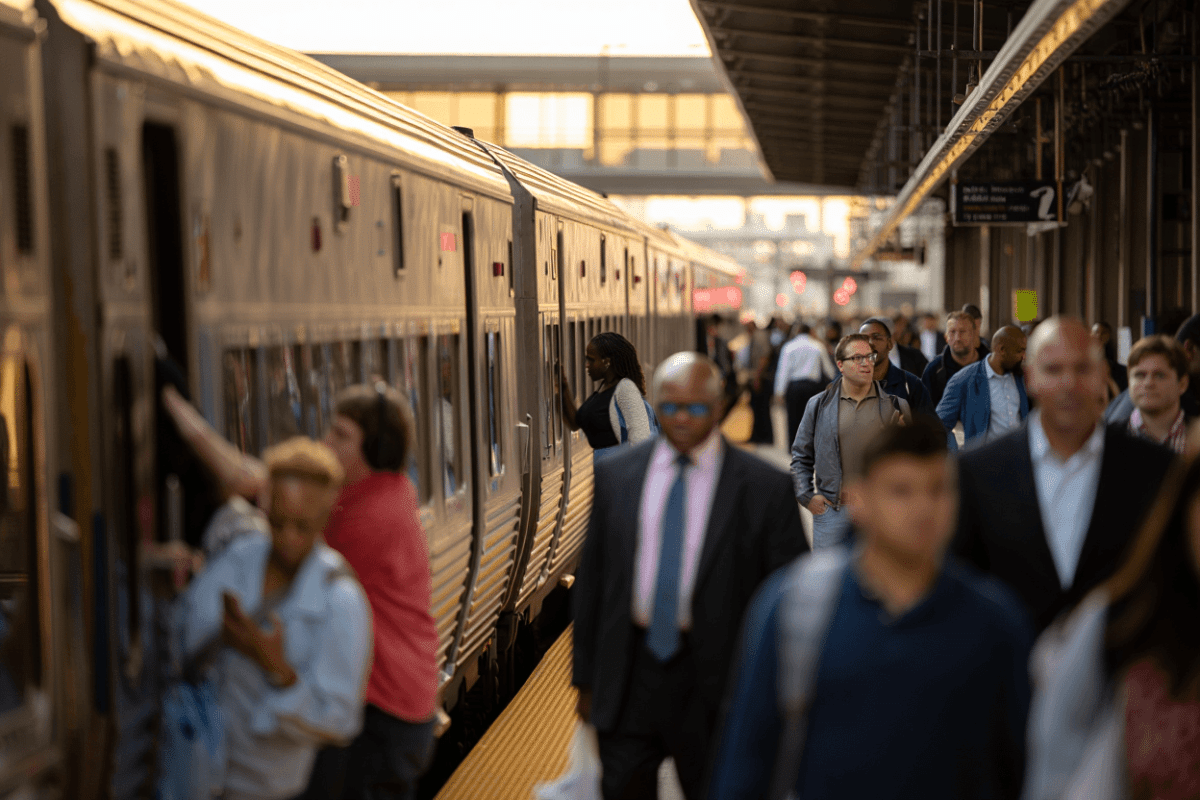
The Long Island Rail Road strike began early Saturday morning after negotiations between the MTA and five unions failed to reach agreement after months of discussions. The work stoppage immediately halted service for approximately 300,000 passengers daily who depend on the system to connect Long Island communities to Manhattan and other parts of the New York City metro area. This represents the largest commuter rail population in the United States affected by a single labor action.
The strike was the first in more than three decades for the LIRR, surpassing recent strike threats in 2025 that were averted through federal mediation. The 1994 LIRR strike lasted just two days and was resolved under intense political pressure. Analysis of historical labor patterns shows that the 2026 strike duration—lasting into a third full day—reflected unprecedented rigidity in both union and management positions before federal mediators re-engaged on Sunday.
Root Causes: Three Years of No Raises Amid Cost-of-Living Crisis
The central dispute centered on wage increases for workers who had operated without a contract since 2022. Union members had received retroactive salary increases of 3%, 3%, and 3.5% respectively for the three prior years, but the primary sticking point was compensation for a fourth contract year. The unions sought raises that would reflect the extraordinary cost-of-living increases that affected the tri-state region—one of America’s most expensive housing and cost markets.
Federal arbitration boards sided with union positions twice during the lengthy negotiation process that began earlier this year. MTA management had initially proposed adjusting work rules that union critics characterized as outdated, but ultimately shifted strategy to offer one-time cash payments instead of recurring salary increases. Governor Hochul emphasized that the final deal avoided fare increases of up to 8% and did not require additional taxpayer funding for the railroad.
Economic and Commuter Impact: Five-Hour Journeys and Regional Costs
During the strike’s three days, commuters faced unprecedented disruption. The MTA provided limited shuttle bus service during peak hours (departing Long Island 4:30-9 a.m. eastbound, 3-7 p.m. westbound), connecting six LIRR stations to subway transfer points in Queens. However, these buses could accommodate only a small fraction of the typical daily ridership, creating what news reports described as five-hour commutes for many workers.
| Impact Category | Details |
| Daily Passengers Affected | 300,000 commuters across tri-state region |
| Economic Loss Per Day | $61 million in regional commerce and productivity |
| Annual Fare Revenue (Pre-Strike) | $636 million, equating to $2 million daily revenue loss |
| Shuttle Bus Coverage | Six LIRR stations with peak-hour service only |
| System Ridership Recovery (vs. 2019) | 90% of pre-pandemic levels |
The regional economy bore substantial costs. The strike occurred as the New York Knicks played Game 1 of the NBA Eastern Conference Finals on Tuesday night, prompting Governor Hochul to celebrate that phased rail service resumption would allow fans to access the event via train. Small businesses in transit-dependent communities reported significant losses. Workers reported taking unpaid leave or waking hours earlier to find alternative transportation options, including expensive rideshare services.
Path to Resolution: Federal Mediation and Political Pressure
After the initial strike began Saturday, the National Mediation Board’s federal mediators intervened Sunday to restart talks. The breakthrough came Monday evening after nearly 24 hours of continuous negotiation, with federal mediators present throughout. Governor Hochul publicly emphasized that the agreement protected fare and taxpayer interests, framing the settlement as a victory for fiscal responsibility.
“This contract will ensure that 3,500 Long Island Railroad employees will be paid fairly for their labor. I deeply value and respect the hard work they do. We stood firm for a deal that would not require any additional fare increases or tax increases. Period. Full stop.”
— Governor Kathy Hochul, New York Governor, speaking at the Monday night press conference
Mark Wallace, president of the Brotherhood of Locomotive Engineers and Trainmen (one of five striking unions), characterized the negotiation outcome as vindicating membership unity: “This was never about seeking more than what is fair — it was about securing the respect and economic security our members have earned.” Union officials noted that two federal arbitration panels had recommended contract terms favoring union positions, lending credibility to membership demands.
What Comes Next: Service Restoration and Ratification
The tentative agreement requires ratification by union members, meaning the strike could theoretically resume if rank-and-file workers reject the deal—a significant risk factor familiar from recent labor actions across the United States. The MTA announced that phased service would begin at noon on Tuesday (May 19), with full service expected by evening rush hour. Limited shuttle buses would continue during peak hours for essential workers while train capacity gradually increased.
The MTA stated it will issue prorated refunds to monthly pass holders for service days lost during the strike, pending board approval. Workers had operated without a new contract for three years post-2022 agreement, accumulating economic grievances that federal panels twice validated. The rail system currently operates at 90% of pre-pandemic ridership (2019 baseline), constraining revenue growth even as operation costs have risen substantially.
What Does This Strike Tell Us About American Labor Negotiations?
The LIRR strike of 2026 illuminates key tensions in modern labor relations. Federal mediation remained essential to breakthrough after direct negotiations stalled—a pattern seen in the 2022 railroad labor dispute and 2025 New Jersey Transit strike. The strike also demonstrated how political elected officials (in this case Governor Hochul) become central to labor outcomes when taxpayer funding and public fare structures intersect with worker demands.
The three-decade gap since a prior LIRR strike suggests that institutional factors and political will can maintain labor peace for extended periods. However, cost-of-living crises and contract delays exceeding typical negotiation windows appear to strain that equilibrium. The outcome—a deal that claimed victory for both wage protections and fare stability—will likely be scrutinized as a model (or cautionary tale) for pending labor actions at other transit agencies nationwide.
Sources
- MTA Official Statement (May 18, 2026) — Service restoration timeline and shuttle bus logistics
- CNN Business / Chris Isidore — Strike settlement analysis and wage negotiation background
- Politico / Ry Rivard & Gelila Negesse — Governor Hochul quotes and federal mediation context
- The New York Times / Live Updates — Historical LIRR strike context and commuter impact data
- Local Business News Sources — Regional economic impact quantification ($61 million daily figure)