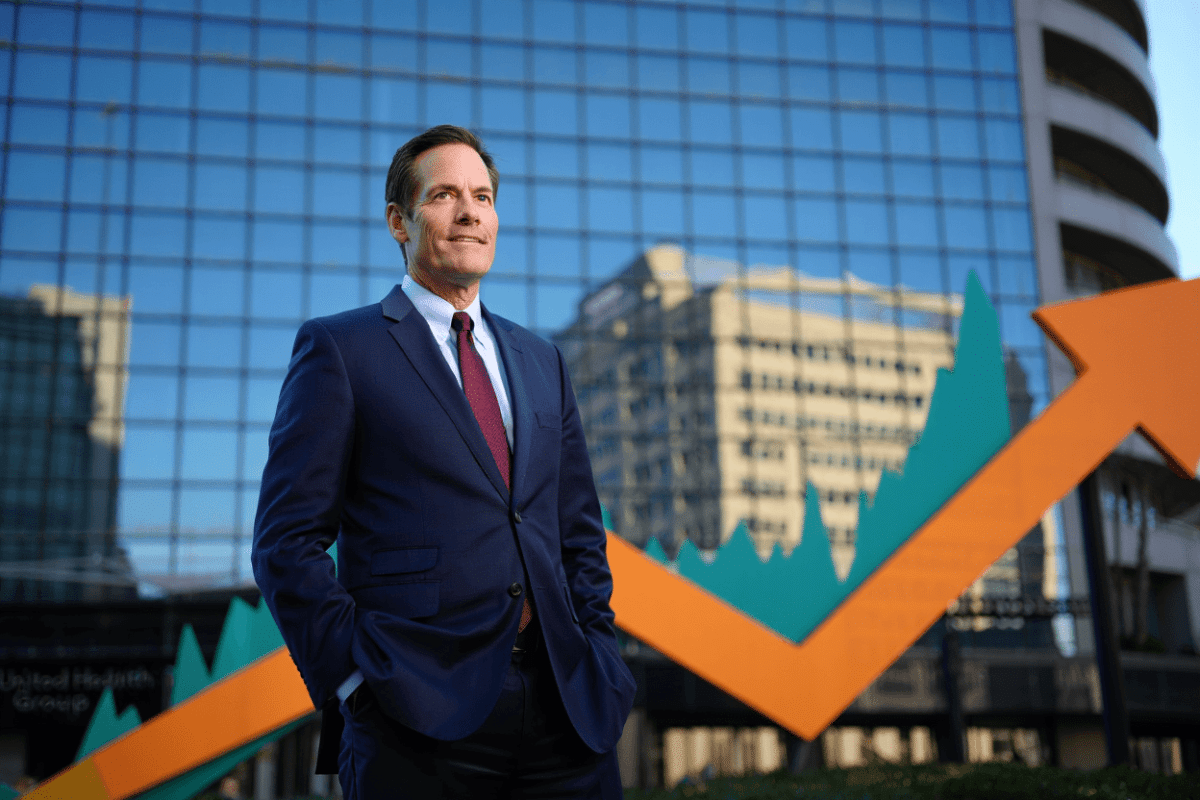
UnitedHealth Group Inc stock has delivered a stunning 45% rebound from February lows, rallying from $271 to $394 in just nine months. The recovery marks a dramatic turnaround for the healthcare giant, which faced a brutal 2025 with earnings misses and profit warnings. What sparked the surge reveals a company in genuine recovery mode, not just hype.
🔥 Quick Facts
- Stock Performance: Gained 45% from $271 low to $394, erasing 2025 losses in five months
- Berkshire Exit: Warren Buffett’s firm sold entire 5M-share stake at $250-$290, now underwater
- Q1 Earnings Beat: Posted $7.23 adjusted EPS vs $6.57 expected, revenue $111.7B up 2%
- Guidance Raised: Management increased 2026 adjusted EPS forecast to $18.25 from $17.75 per share
The Dramatic Reversal From Healthcare’s Darkest Hour
UnitedHealth Group suffered through one of healthcare’s worst stretches in recent memory. The company’s 2025 collapse centered on a critical miscalculation: management underestimated the cost of medical services when setting customer premiums. The result was brutal margin compression, a historic earnings miss, and stock losses that wiped billions in shareholder value.
CEO Stephen Hemsley acknowledged the misstep directly. The company responded with aggressive action, raising 2026 premiums across markets, exiting unprofitable regions, and investing heavily in AI-driven cost management.” These fixes weren’t quick cosmetic changes—they represented a fundamental restructuring of how UnitedHealth manages its vast network of doctors, hospitals, and patient care.
How the Earnings Beat Sparked the Rally
UnitedHealth’s April 21 earnings report delivered the proof investors had been waiting for. The company reported first-quarter revenue of $111.7 billion, up 2% from last year and beating analyst expectations of $109.57 billion. More importantly, adjusted earnings per share reached $7.23, crushing the consensus estimate of $6.57 per share.
The medical care ratio, a critical profitability metric that had haunted the company, improved dramatically. It fell to 83.9%, down 90 basis points from the prior year, signaling UnitedHealth was finally controlling costs. Management responded to the beat by raising full-year 2026 guidance to $18.25 adjusted EPS, up from $17.75 previously.
Berkshire Hathaway’s Mistimed Exit Signals Management Caution
The irony wasn’t lost on Wall Street: Berkshire Hathaway exited its entire 5 million-share position somewhere between $250 and $290, just weeks before the rally launched. The exit came under new CEO Greg Abel’s leadership, as Warren Buffett remained retired from day-to-day operations. Analysts say the exit reflected broader concerns about healthcare regulatory pressure and medical cost inflation, not confidence the worst was over.
| Metric | Value |
| Stock Entry Price (Berkshire, Mid-2025) | $271 (approx.) |
| Berkshire Exit Price (Q1 2026) | $250-$290 |
| Current Price (May 18, 2026) | $394 |
| Total Rally From Lows | +45% |
“We have refocused the organization squarely on U.S. healthcare, exiting non-U.S. businesses. We have refreshed nearly half of our top 100 leadership roles. Our accelerated technology and AI investments are showing meaningful potential.”
— Stephen Hemsley, CEO of UnitedHealth Group
The Valuation Test After a 45 Percent Run
At $394, UnitedHealth trades at approximately 18-20x trailing earnings, a fair multiple for a $358 billion market-cap healthcare operator. The company generated over $20.7 billion in free cash flow in 2024 and pays a 2.2% dividend yield that just increased to $8.84 annual. Wall Street remains mostly bullish, with 22 of 28 analysts surveyed maintaining buy ratings.
Yet the 45% rally in seven weeks has compressed the margin of safety. Goldman Sachs added UnitedHealth to its conviction list just last week, and Jefferies lifted its price target from $340 to $373. These moves suggest the recovery narrative is gaining institutional traction, but also that much of the expected rebound may already be priced in.
Can This Rally Survive Q2 Results and Healthcare Headwinds?
The real test arrives in late July when UnitedHealth reports second-quarter earnings. Wall Street will scrutinize three critical metrics: whether Optum Health (the profitable health services arm) can stabilize revenues after declining 3% in Q1, whether the improved medical care ratio holds steady, and whether the company can arrest membership losses. Regulatory uncertainty around Medicare Advantage reimbursements and rising medical costs remain structural headwinds.
CEO Hemsley’s confidence in the recovery rests on $1.5 billion in AI technology investments this year alone. These deployments target two critical goals: reducing claim processing costs and improving prior authorization workflows, two areas where UnitedHealth faced intense criticism for slowness and bureaucracy. If these AI initiatives deliver the promised 2-to-1 return, the margin recovery could be durable rather than temporary.