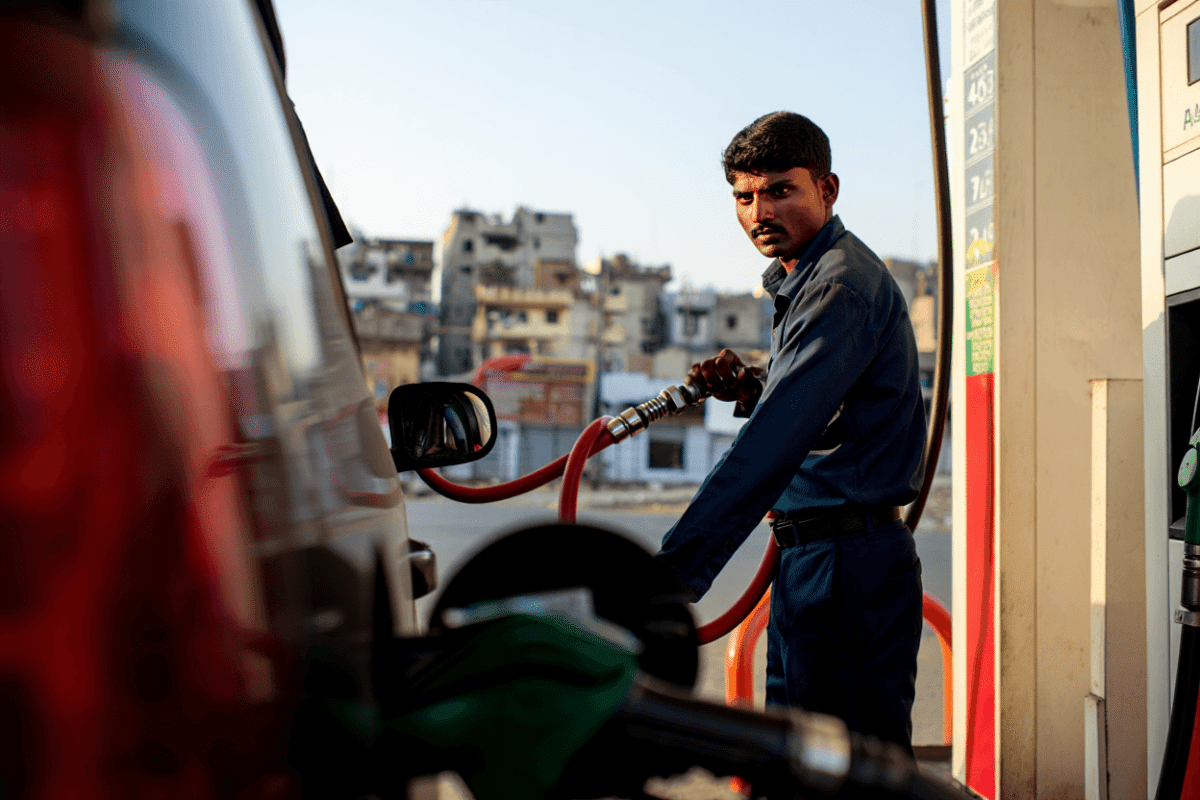
Oil prices surged higher today as President Trump warned Iran the “clock is ticking” on stalled peace talks. Fuel prices climbed nationwide, pushing gasoline to $3.71 per gallon as the Strait of Hormuz blockade threatens global energy supplies. The tension signals a potential deepening crisis that could ripple through summer travel season.
🔥 Quick Facts
- Brent Crude Rise: Global benchmark climbed 1.7% to $111.13 per barrel today
- US Oil Jump: WTI crude rose 2.1% to $107.62, more than 50% above pre-war levels
- Gasoline Price: National average hit $3.71 per gallon as supplies tighten
- Economic Impact: Global companies have already absorbed $25 billion in war-related costs
Trump Issues Fresh Warning as Peace Talks Collapse
President Trump escalated rhetoric toward Iran today, declaring the country must move “FAST” on ceasefire negotiations. The White House announced a Tuesday meeting with national security advisers to discuss military options. Trump warned that a “whole civilisation” would face consequences without agreement, ramping up pressure as talks have stalled over disputed peace proposals.
Iranian officials countered through state media, claiming Washington failed to offer concrete concessions. The standoff threatens to prolong the Strait of Hormuz blockade that has paralyzed roughly one-fifth of global oil supply since late February.
Fuel Prices Hit Pumps as Oil Spiked Earlier This Month
Gasoline reached $3.71 per gallon nationwide following weeks of climbing crude prices. Brent crude has traded well above $100 per barrel since the Iran war closed shipping lanes critical to energy flow. Jet fuel prices nearly doubled, forcing airlines like Ryanair to secure fuel contracts months ahead to manage volatility.
Energy costs have become the dominant concern for consumers. McDonald’s CEO noted that elevated gas prices drive lower-income consumer demand, making it the core issue affecting restaurant traffic across America.
How Companies Are Struggling with the Economic Toll
| Industry Impact | Financial Hit |
| Airlines (fuel) | Nearly $15 billion |
| Automakers (Toyota) | $4.3 billion warning |
| Consumer Goods (P&G) | $1 billion post-tax blow |
| Total Corporate Costs | $25+ billion and climbing |
At least 279 companies have cited the war as triggering defensive actions. Whirlpool CEO slashed full-year forecasts in half and suspended dividends, comparing current industry decline to the global financial crisis. Continental Tires expects at least 100 million euros ($117 million) in second-quarter damage from surging crude costs.
“This is a very dire situation and it’s going to get worse unless the strait is opened. We are approaching a summer of pain, I am afraid, unless Hormuz is opened.”
Claudio Galimberti, Chief Economist, Rystad Energy
What’s Ahead for Energy Markets and Summer Demand
Airlines face the biggest exposure as peak summer travel season approaches. Ryanair has locked in fuel prices for 80% of jet fuel needs but warned remaining costs have “spiked due to Middle East conflict.” Industry analysts expect sustained high prices will weigh on consumer spending through June and July.
Goldman Sachs and UBS project margin pressure will intensify in coming quarters as companies can no longer absorb costs. Second-quarter profit margins are being revised down as hedging contracts expire and real costs hit income statements. The cumulative effect threatens to fuel broader inflation fears.
When Will Peace Talks Resume and Prices Finally Stabilize?
The timeline for resolution remains opaque as Trump and Iranian leaders remain deadlocked over key concessions. White House sources suggest military options remain on the table if negotiations fail by end of May. Energy markets are pricing in a prolonged crisis, keeping crude elevated near $110 per barrel.
Without a breakthrough, consumers and businesses face months of elevated fuel costs. Expert forecasts suggest only a ceasefire or corridor reopening through the Strait of Hormuz would trigger meaningful price relief by summer’s end. Until then, expect gas pump prices to remain stubbornly high.
Sources
- BBC Business – Trump’s Iran warnings, oil benchmark rises to $111
- Reuters – Global company impacts, $25 billion cost analysis
- New York Times – Energy market volatility, Strait of Hormuz closure