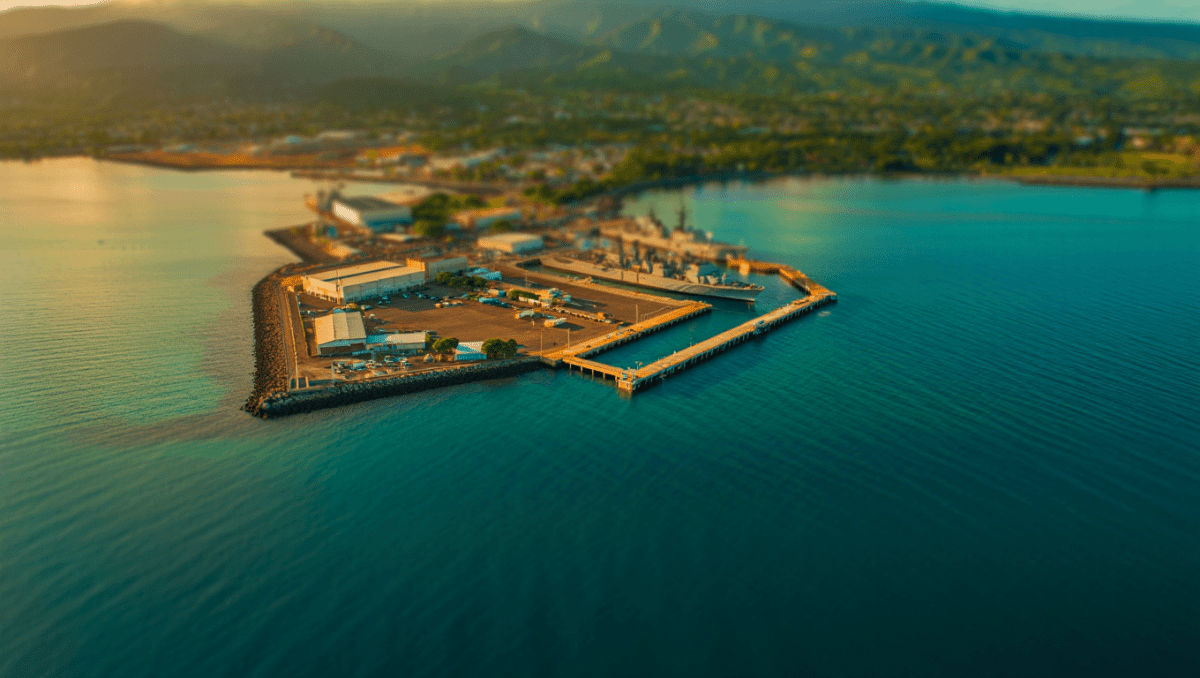
Pearl Harbor Naval Shipyard faced an environmental crisis today. A 2,250-gallon wastewater spill contaminated Hawaii waters Friday. The pipeline rupture occurred near the piers just hours ago, triggering immediate response from Navy and health officials.
🔥 Quick Facts
- Volume Spilled: About 2,250 gallons of untreated wastewater released into Harbor waters
- Discovery Time: Leak detected around 7:00 a.m. Friday morning at Naval Shipyard
- Containment: Rupture halted by noon the same day with no further discharge
- Root Cause: Pipeline used for ship wastewater offloading ruptured suddenly
Rupture Stops Ship Wastewater Pipeline at Historic Base
Joint Base Pearl Harbor-Hickam officials confirmed the incident involved a critical pipeline serving the Naval Shipyard’s operations. The wastewater offloading system failed during routine use, releasing contaminated water into surrounding waters near the piers. No naval vessels were connected to the line at the moment of rupture.
The Navy responded swiftly, containing the spill within hours and notifying environmental authorities immediately. Personnel isolated the damaged section and prevented additional discharge from continuing.
Hawaii Department of Health Activated in Environmental Response
Authorities notified the Hawaii Department of Health the same morning the leak was discovered. State environmental officials began monitoring water quality and assessing potential ecological impact. This marks another environmental incident affecting the historic Pearl Harbor area.
The Navy stated that wastewater cannot be recovered, but is expected to naturally biodegrade in the marine environment over time. Cleanup and recovery operations began immediately following containment.
Environmental Impact Assessment Underway Near Naval Facility
| Detail | Information |
| Spill Location | Pearl Harbor Naval Shipyard Piers |
| Volume Released | 2,250 gallons untreated wastewater |
| Detection Time | Approximately 7:00 a.m. Friday |
| Response Time | Contained by noon same day |
Environmental specialists are evaluating potential impact on Pearl Harbor water quality and marine life. The Hawaii Department of Health will likely conduct ongoing monitoring to ensure public safety and environmental compliance.
“About 2,250 gallons spilled near the piers at Pearl Harbor Naval Shipyard after a pipeline used to offload wastewater from ships in port ruptured.”
— Joint Base Pearl Harbor-Hickam Officials, Environmental Response Team
What Led to the Pipeline Failure at the Historic Naval Facility
The rupture occurred suddenly in equipment designed for routine wastewater handling operations. The pipeline failure represents a significant equipment breakdown at the Pearl Harbor complex. Navy officials are investigating the exact cause of the structural failure.
Infrastructure maintenance and inspection procedures will likely be reviewed to prevent similar incidents. The Naval Shipyard continues critical naval operations while environmental teams assess the situation.
Could Another Environmental Incident Impact Pearl Harbor’s Future Safety?
This latest spill adds to Pearl Harbor’s documented environmental history. The base has experienced several water quality concerns, including previous fuel contamination incidents. Today’s wastewater breach raises questions about infrastructure resilience and Navy oversight of critical systems.
Environmental advocates and Hawaiian communities continue monitoring water conditions closely. The incident underscores ongoing concerns about maintaining ecological integrity at this strategically important and historically significant location in Hawaii.
Sources
- Hawaii News Now – Breaking news report on Pearl Harbor wastewater pipeline rupture and environmental response efforts
- Joint Base Pearl Harbor-Hickam – Official statement confirming 2,250 gallon spill and containment details
- Hawaii Department of Health – State environmental authority contacted for monitoring and assessment procedures