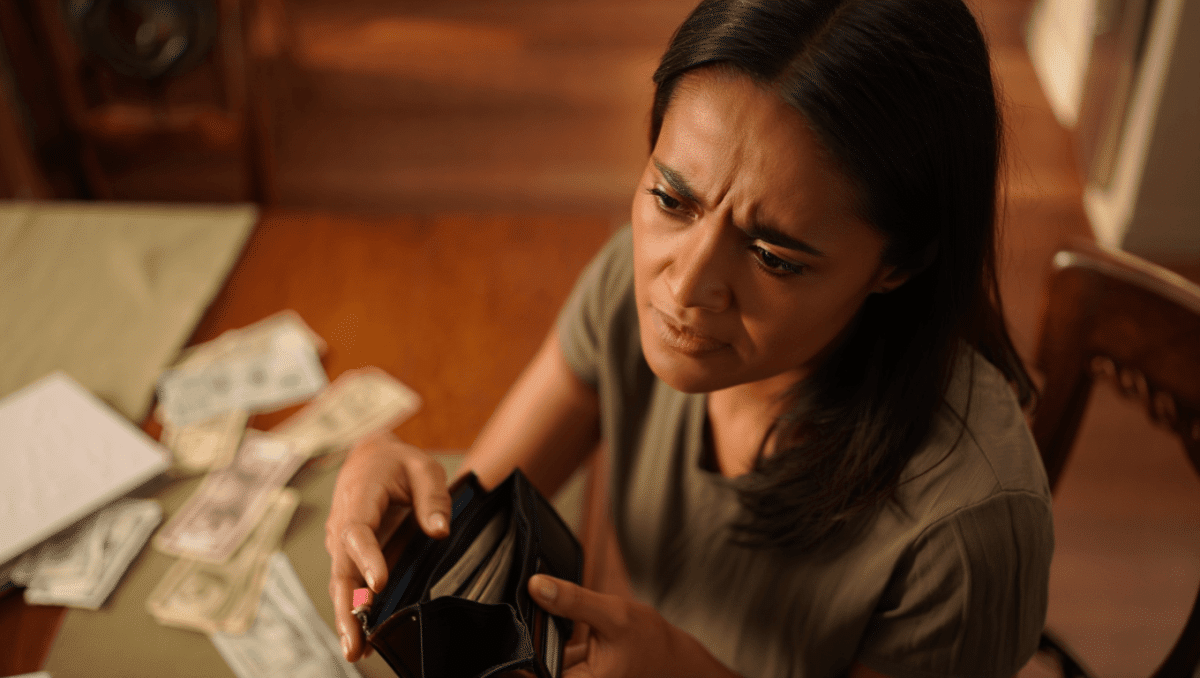
Saving money has become nearly impossible for Americans as the personal savings rate plummets to just 4% in Q1 2026. A staggering 35% decline from 6.2% in early 2024 reveals a crisis unfolding in households nationwide. Inflation and rising costs are forcing families to drain decades of accumulated savings.
🔥 Quick Facts
- Savings Rate Collapse: Dropped to 4% in Q1 2026 from 6.2% in early 2024, a 35% decline hitting families hard.
- Nearly 3 in 10 Americans: Have less savings than a year ago due to inflation and spiraling expenses.
- Record Financial Anxiety: Record 55% of Americans say finances are worsening, highest since 2001 Gallup began tracking.
- Emergency Fund Emergency: 54% of Americans save less for emergencies, citing inflation as the primary reason.
The Pandemic Savings Buffer Vanishes Almost Overnight
Americans accumulated savings during the COVID-19 pandemic, but those reserves are evaporating fast. Families who built financial cushions in 2020 and 2021 now face a relentless squeeze from rising costs that exceed wage growth. Households earning lower incomes are bleeding emergency funds to cover basic expenses like groceries and utilities.
Corporate earnings calls in May 2026 reveal the harsh reality. Major company executives report that lower-earning customers are increasingly strapped for cash. Families can no longer stretch paychecks across monthly bills, forcing them to tap accounts that took years to build.
Inflation Eats Away at Every Paycheck
Rising energy prices and food costs are the primary culprits destroying household finances. April 2026 inflation hit 3.8% year-over-year, up from 3.3% in March, according to the Bureau of Labor Statistics. But energy prices tell an even darker story.
Gas prices hit their highest level in 2026 since the Iran war began in February, averaging $4.18 per gallon recently. Housing costs, healthcare expenses, and childcare combine to create an affordability crisis unlike anything Americans experienced during the 2008 financial crisis. Over two-thirds of Americans now save less due to rising prices.
Credit Cards Replace Savings as the New Safety Net
Record-high credit card debt has become the financial lifeline for desperate households. As savings deplete rapidly, consumers turn to plastic to bridge the gap between income and expenses. 28% of Americans say they worry about paying credit card minimums, up 11 percentage points since 2021.
| Financial Stress Indicator | Percentage of Americans |
| Finances Getting Worse | 55% (Record High) |
| Worried About Covering Bills | Over 50% |
| Unable $1,000 Emergency | Less Than 50% |
| Fear Running Out Money (Retirement) | 67% |
Younger Americans and middle-income households face the harshest pressure from this two-pronged squeeze. The March 2026 personal savings rate dropped to 3.6%, marking another troubling milestone in household financial deterioration.
“Overall, affordability concerns dominate this year’s list, with combined mentions of inflation, energy, housing and health care costs far exceeding all other types of financial concerns.”
— Gallup Research Organization, April 2026 Financial Survey
The 2026 Retirement Nightmare That Scares Americans Most
Financial anxiety about the future has reached historic levels. 62% of Americans now fear not having enough money for retirement, up 3 percentage points from just a year ago. But here’s the shocking part: 67% of Americans say they fear running out of money more than dying.
The Allianz Center for the Future of Retirement 2026 study found a 10-point increase in money-related fear compared to last year. Rising cost-of-living is eroding confidence in retirement savings accumulated over decades of work. College education costs, healthcare bills, and nursing care create a perfect storm of financial uncertainty.
Can American Households Ever Rebuild Their Savings?
Recovery looks uncertain without significant income growth or cost relief. Wage growth must outpace inflation for households to rebuild depleted reserves. Until basic costs stabilize and incomes rise meaningfully, Americans will continue burning through savings at an alarming rate.
The financial stress facing households today suggests harder times ahead unless policy leaders intervene with meaningful relief. Emergency savings have become a luxury most Americans can no longer afford. The question now is whether recovery is possible, or if 2026 marks the beginning of a prolonged financial crisis.
Sources
- ECIKS.org Economy Analysis – Comprehensive data on Q1 2026 savings rate collapse and household financial deterioration.
- CBS News Gallup Survey – Record 55% of Americans report worsening finances, highest since 2001 polling began.
- Federal Reserve and BEA Data – Official personal savings rate statistics from March to May 2026 reporting.