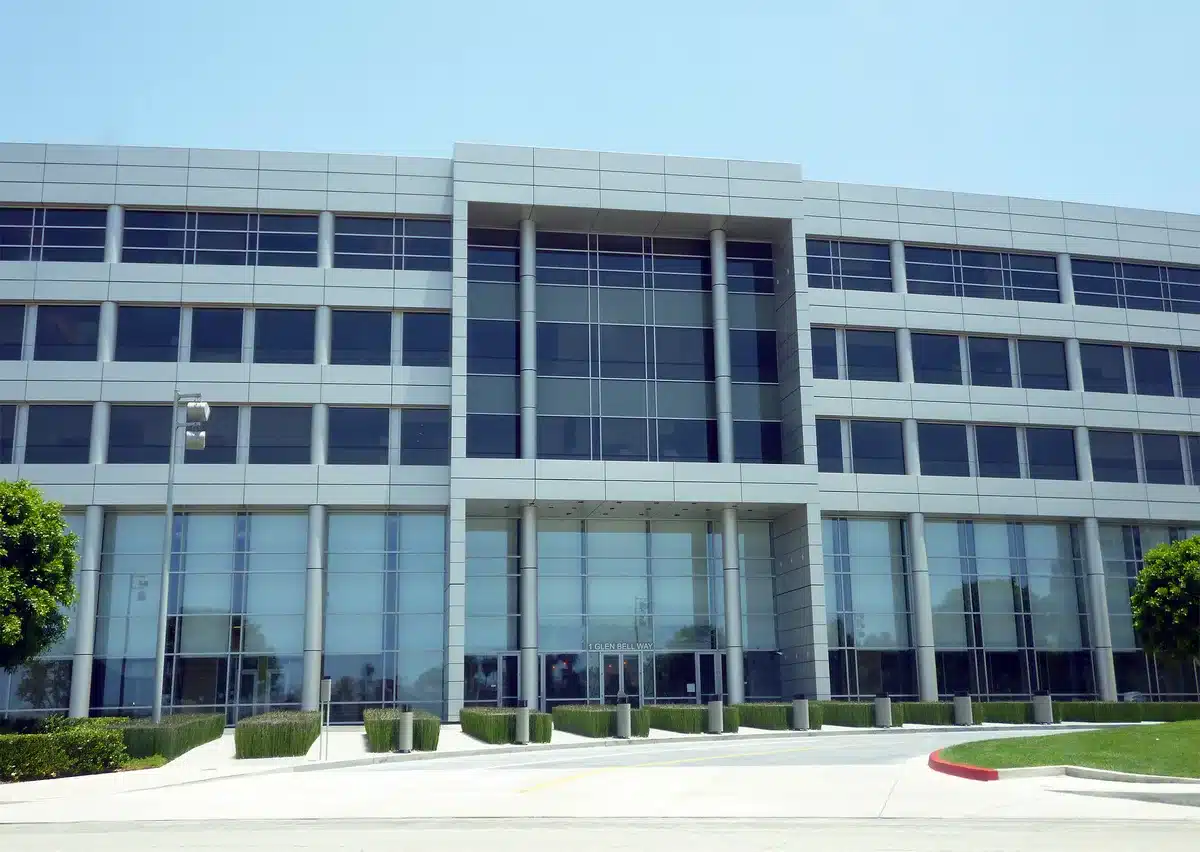
OpenEvidence, the booming “ChatGPT for doctors” valued at $12 billion, has quietly shifted its headquarters from Cambridge, Massachusetts to Miami, Florida. The strategic relocation capitalizes on Miami’s explosive tech boom and signals major expansion plans for the medical AI giant.
🔥 Quick Facts
- Timing: OpenEvidence relocated from Cambridge to Miami’s Wynwood neighborhood during summer 2025
- Valuation: The company raised $250 million in Series D funding in January 2026, doubling valuation to $12 billion
- Total Funding: Nearly $700 million raised since launch in 2022, making it the most valuable healthcare AI startup
- Market Reach: Used by roughly 25% of U.S. physicians for clinical decision support and research aggregation
Medical AI Giant Abandons Boston Tech Hub for Miami Expansion
The move represents a dramatic pivot for OpenEvidence, which launched in 2022 under CEO and founder Daniel Nadler. The startup initially planted roots in Cambridge, the epicenter of East Coast biotech and AI innovation. However, ambitious growth targets and Miami’s increasingly competitive tech ecosystem prompted the relocation. Nadler, a billionaire entrepreneur who previously co-founded Kensho (sold to S&P Global), chose Miami’s vibrant Wynwood neighborhood as the company’s new command center.
The Wynwood location signals OpenEvidence’s commitment to Miami’s tech corridor and positions the firm near venture capital money, young talent, and real estate opportunities fueling South Florida’s digital transformation.
From Boston Startup to $12 Billion Unicorn Leader
In just four years, OpenEvidence became healthcare’s most valuable AI company. The platform functions as a medical search engine, helping clinicians navigate thousands of research papers and clinical data instantly. Each day, the system handles over one million clinical consultations, generating insights that doctors rely on for patient treatment decisions.
The January 2026 Series D funding round, led by Thrive Capital and DST Global, brought the company’s total valuation to $12 billion, doubling its valuation from six months prior. Other marquee investors include Sequoia Capital, Google Ventures, Nvidia, Kleiner Perkins, and Mayo Clinic.
Why Miami Became the Strategic Choice
| Factor | Details |
| Founder Presence | Daniel Nadler purchased $38.2M Surfside penthouse in 2025 |
| Tech Ecosystem | Miami emerging as top-tier biotech and healthcare AI hub |
| Location | 215 NW 24th St, Miami, FL 33127 in Wynwood |
| Talent Pool | Access to growing healthcare IT workforce and innovation centers |
| Regulatory Climate | Florida tax and regulatory advantages for AI healthcare companies |
“The company quietly relocated its HQ from Cambridge, MA, to Miami last summer, and Nadler, who previously co-founded and sold AI fintech Kensho to S&P Global for $765 million, is betting big on Miami’s tech future.”
— Refresh Miami, reporting on OpenEvidence’s relocation
What’s Next for Healthcare AI’s Fastest-Growing Startup
OpenEvidence is leveraging Miami’s location to accelerate partnerships with health systems, medical device makers, and pharmaceutical firms across the Americas. The $250 million Series D will fund AI research, compute infrastructure, and clinical validation studies required for FDA regulatory pathways. Recent partnerships announced include collaborations with the Society of Surgical Oncology, the National Organization for Rare Disorders, and global health initiatives.
With 70 employees and growing, OpenEvidence is recruiting aggressively from Miami’s biotech talent pool and remote-first developer communities. The Wynwood headquarters features state-of-the-art research labs and collaborative spaces designed for cross-functional teams building next-generation medical AI.
Will Miami’s Tech Boom Continue Attracting AI Healthcare Unicorns?
The OpenEvidence relocation adds momentum to Miami’s emergence as a healthcare AI destination, joining other ambitious founders and venture-backed startups betting on South Florida’s future. Daniel Nadler’s early commitment to the city, symbolized by his substantial real estate investments and now his company’s headquarters, demonstrates confidence that Miami can rival Boston and San Francisco as an innovation epicenter.
Whether Miami ultimately becomes a sustainable hub for medical AI talent and capital, or merely a tax-advantaged waystation for ambitious founders, OpenEvidence’s $12 billion valuation and accelerating user adoption suggest the startup will thrive regardless of location. Still, the move reflects a broader belief among Silicon Valley’s boldest entrepreneurs that the healthcare AI boom belongs to the next generation of tech hubs, not the established ones.