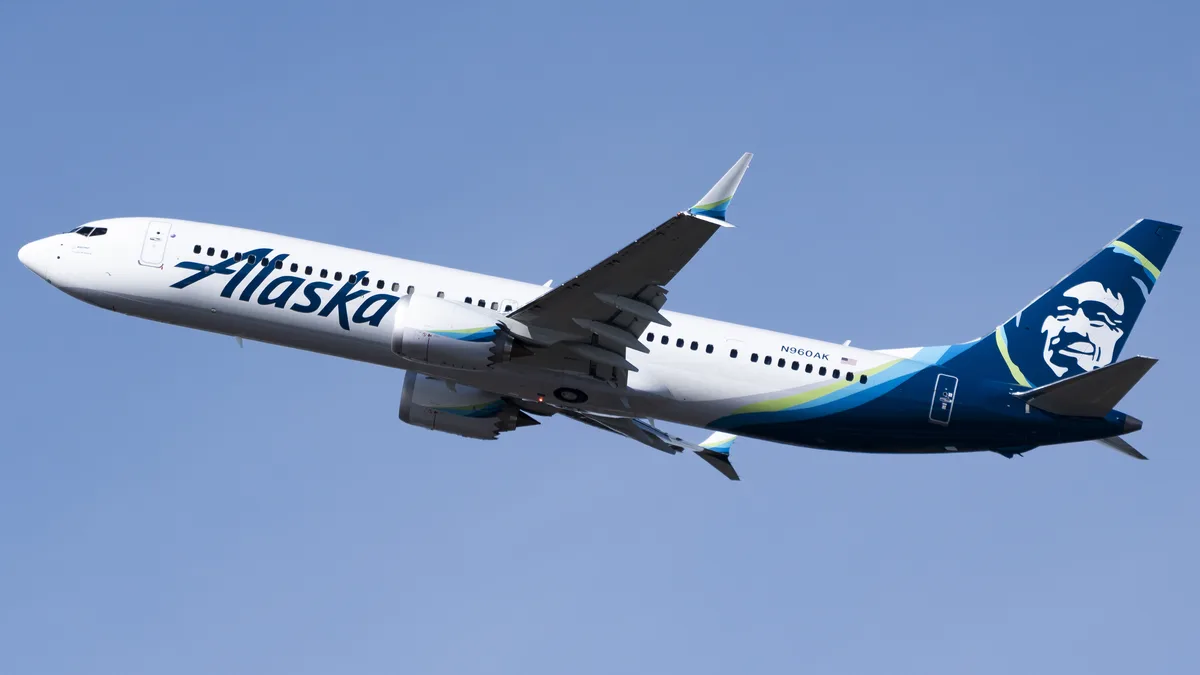
Boeing 737 Max safety upgrades and past inspections remain in focus after the jet was grounded in 2019 following two fatal crashes linked to its flight-control software, and Boeing later announced software and warning-system changes for the type.
In 2019 regulators around the world grounded the 737 Max after two crashes killed 346 people, and Boeing said it would redesign the Maneuvering Characteristics Augmentation System (MCAS) that investigators linked to the accidents.
Boeing told reporters it would submit a final software version to the U.S. regulator and that airlines would install the update, provide feedback and train pilots before the type returned to service, the reporting shows.
The company also said it would make an optional cockpit warning system a standard feature, describing the change as part of a package of cockpit upgrades intended to address conflicting sensor readings that investigators found in at least one crash.
Preparing the fleet to return to service required a large logistical effort, including teams installing software and carrying out maintenance on hundreds of parked 737 Max jets, according to reporting that described Boeing mobilizing engineers and suppliers worldwide.
Regulatory oversight and inspection practices came under scrutiny after the crashes, with lawmakers questioning whether delegation of some certification tasks to manufacturers gave regulators enough independent control.
What to know about past safety issues and inspections:
• The two fatal crashes in 2018–2019 prompted global groundings and focused scrutiny on MCAS and related pilot procedures.
• Boeing announced a redesign of MCAS to limit its authority when sensors disagree and pledged software and cockpit-warning changes as standard equipment.
• Returning parked aircraft to service involved coordinated inspection, software installation and pilot training steps that Boeing and airlines said would take weeks to months per jet.
What this means for inspections today: regulators typically require software changes to be reviewed and operators to complete mandated inspections, training and airworthiness approvals before commercial flights resume. The reporting from Boeing and mainstream outlets at the time framed the upgrades as central to restoring regulatory confidence.
For more on Boeing’s fleet activity and FAA matters, see related coverage on the site.
Boeing 737 Max 10 gets FAA certification and FAA probes and passenger incidents provide recent context about ongoing certification and regulatory attention.
Sources
- 3News — reported Boeing’s announced MCAS redesign and that the company would make a cockpit warning system standard.
- The Daily Herald — described the 2019 grounding, the number of parked jets and Boeing’s global logistical effort to return the fleet to service.