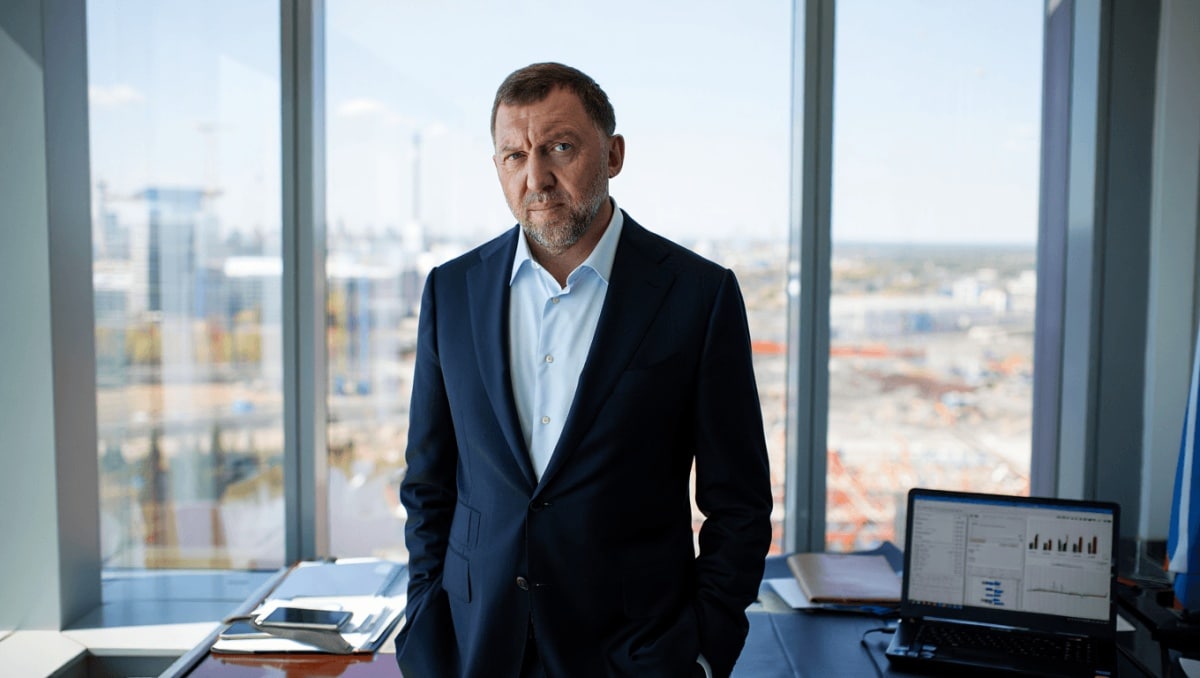
Russian industrialist Oleg Deripaska has proposed that the country adopt 12‑hour workdays and a six‑day week to speed its economic adjustment, a suggestion he made in a Telegram post this week. The idea has reignited debate about how Russia should respond to a structural shift in trade and energy markets — and what such a change would mean for businesses and workers.
Why Deripaska says longer hours are needed
Deripaska, the founder of Rusal, framed the slowdown as more than a routine recession: in his account, Russia is moving from broad global opportunities to a narrower, regionally focused economy constrained by new barriers. He argued that the country’s comparative advantage in a crisis is its capacity to mobilize labor and increase hours in response to pressure.
To that end, he suggested a practical schedule — essentially working from early morning to late evening and adding Saturday as a standard workday — which he said would accelerate the nation’s adaptation to the new environment.
Economic backdrop: energy, sanctions and trade routes
Deripaska’s comments come as Moscow navigates an uneven patch: official data show growth slowed to about 1% in 2025 after a stronger pace the previous year. At the same time, global oil markets have been volatile.
Higher crude prices, driven in part by tensions in the Middle East and interruptions to shipping lanes, have boosted export receipts. Still, Russia remains exposed: energy taxes and sales historically supply a large portion of federal revenue, and sanctions plus shifting trade flows complicate planning for businesses and the state.
- Oil-price spike: Benchmark crude is trading above $100 a barrel this year, after a large year‑to‑date rise that has supported revenue but increased market uncertainty.
- Shipping disruptions: Interruptions through the Strait of Hormuz and rerouted tanker traffic have reshaped trade patterns.
- Sanctions and waivers: Targeted measures and limited exemptions have altered exporters’ access to markets, creating both opportunities and constraints.
What this proposal would mean in practice
Adopting a 12‑hour, six‑day workweek would touch multiple layers of the economy. Employers would need to redesign shifts, supply chains might alter lead times, and public services such as transport and healthcare would face new scheduling demands.
For workers, the trade‑offs are immediate: longer hours can raise household income for some but also increase fatigue and reduce leisure time. Economists debate whether longer hours reliably boost productivity or simply extend labor without proportional gains in output.
Legally, such a change would require shifts in labor regulation and enforcement. Unions, if active in affected sectors, and human‑resources teams would be central to how any transition unfolded.
Short-term risks and longer-term questions
Deripaska himself warned previously that geopolitical conflict could blunt growth even as energy revenues rise, underscoring the fragile balance policymakers face. Extending work hours is a blunt instrument: it can accelerate activity in the near term but does not by itself address supply chain limits, investment shortfalls or technological needs.
- Potential short-term gain: faster production response to immediate shortages or export demands.
- Potential long-term cost: worker health, lower productivity per hour, and political pushback.
- Uncertain fiscal outcome: higher output could boost tax receipts, but gains depend on demand and market access.
The debate prompted by Deripaska’s post speaks to a broader question facing Russia’s economic managers: how to balance immediate fixes with structural reforms that sustain growth under more restricted international conditions. Whatever the outcome, the conversation signals heightened concern among senior business figures about the country’s economic trajectory.