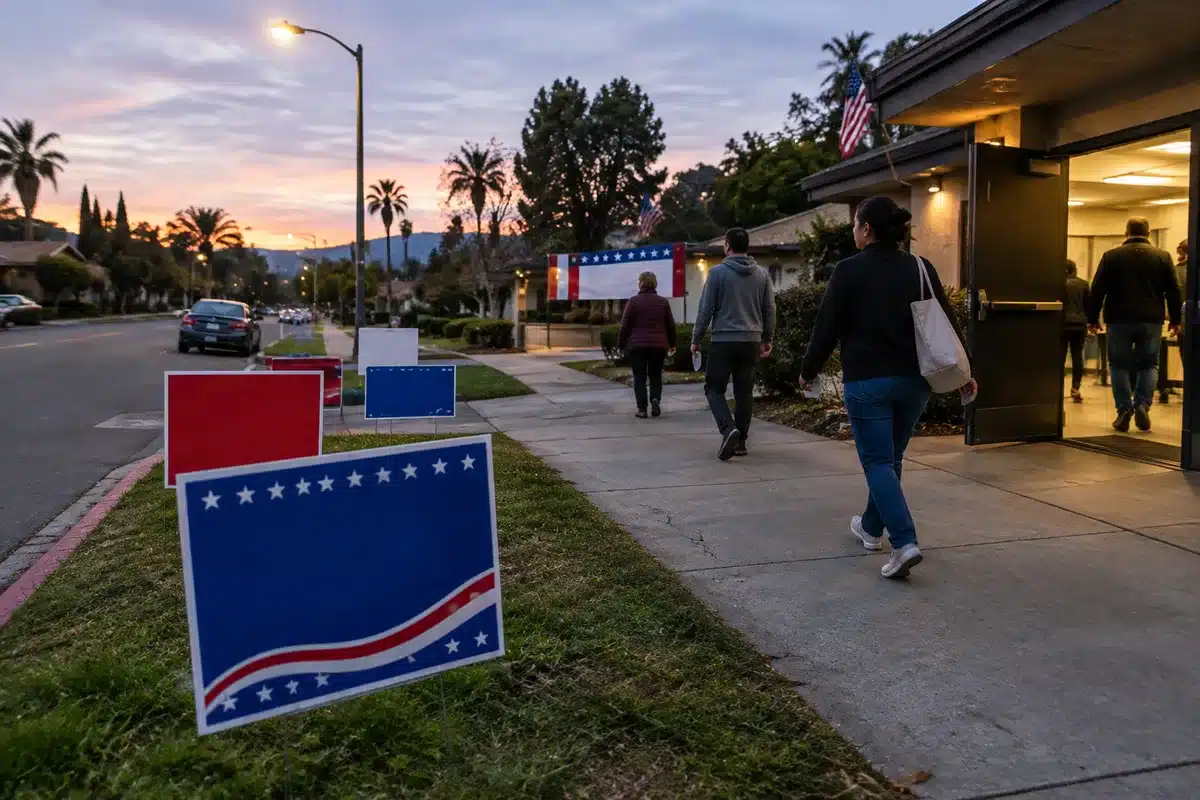
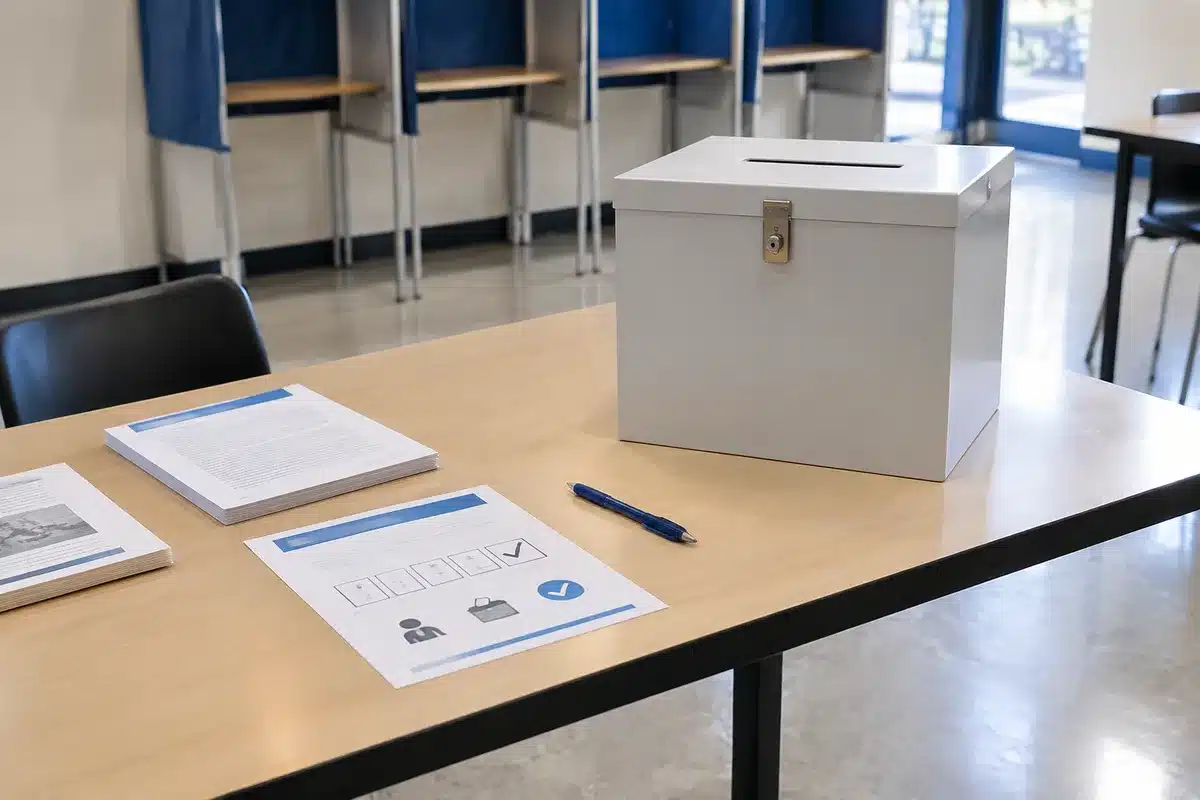
Joshua Groban, the California Supreme Court associate justice, is on the statewide retention ballot on November 3, 2026, meaning voters will answer a yes-or-no question on whether to keep him in office.
Groban’s retention question appears on the same general-election ballot that decides other statewide measures and offices; CalMatters notes that each justice appears separately and voters cast a yes-or-no vote on whether to retain them.

Joshua Groban has served on the California Supreme Court since his 2018 appointment by Gov. Jerry Brown and, according to Ballotpedia, his current term ends in January 2027, which is why his retention question is on the 2026 ballot.
Voters do not choose a replacement on the retention question; a retained justice continues to serve. CalMatters explains that once a justice is appointed and confirmed, their first retention vote happens at the next gubernatorial election and then every 12 years thereafter unless they were filling a partial term.
It is rare for California voters to remove a Supreme Court justice. CalMatters reports that the last time justices were unseated was in 1986, when voters removed three justices over death-penalty rulings, underlining how uncommon a no vote is at this level.
News coverage and voter guides this fall have focused on providing background for voters researching the statewide retention questions; Ballotpedia’s judge profile page lists Groban’s appointment and his prior retention results, and offers links to official voter materials for the November election.
What this means for voters: the ballot will present Groban’s name alongside a single retention question. Information sources such as the official Voter Information Guide and independent outlets are available to explain retention voting and the implications of a yes or no vote.
Sources
- Ballotpedia — confirms Groban is on the retention ballot for November 3, 2026, and provides his appointment and term details.
- CalMatters — explains how retention votes work, notes each justice appears separately on the ballot, and reports it is “extremely rare” for voters to oust a California Supreme Court justice, last happening in 1986.