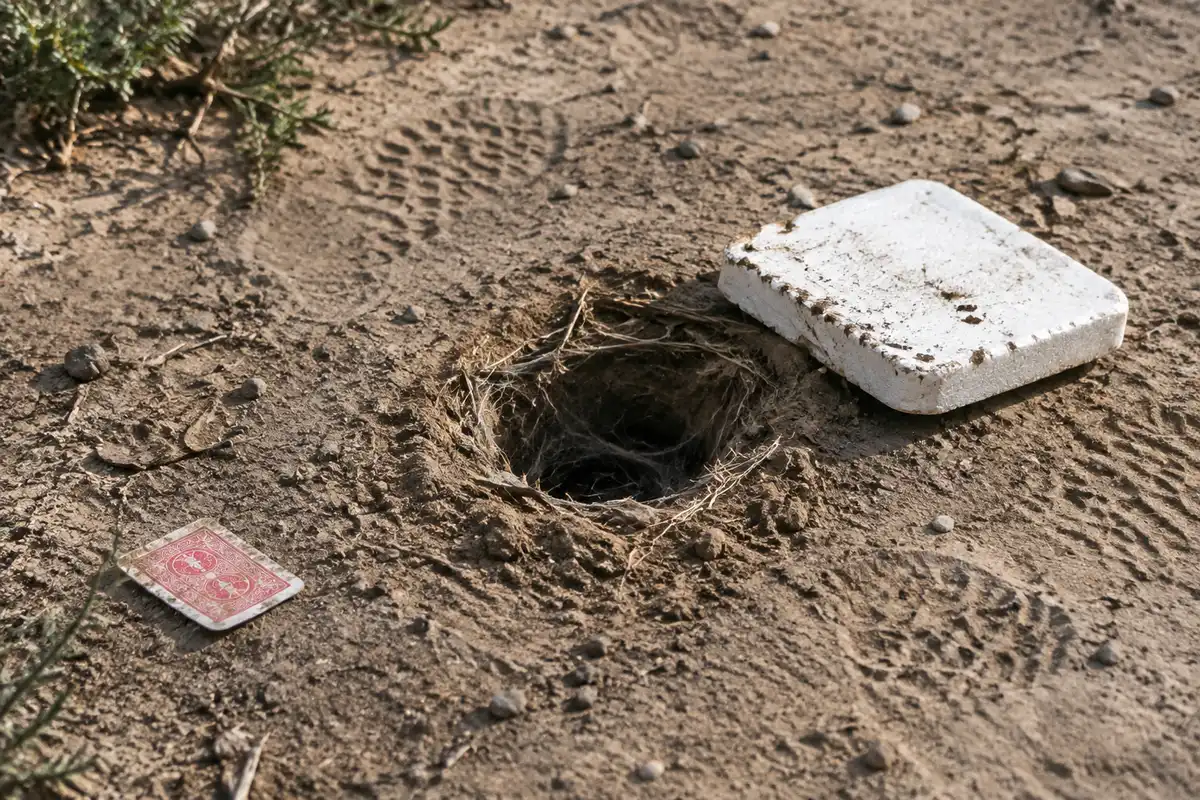
Saddam Hussein was captured on Dec. 13, 2003, after U.S. forces found him hiding in a spider hole near Ad Dawr, Iraq, ending months of searching after the 2003 invasion.
The search that led to Saddam Hussein’s capture grew out of intelligence and interrogations after major combat operations ended in May 2003. The Defense Intelligence Agency recounts that the decisive tip came when interrogators pieced together tribal and kin networks in Tikrit; Operation Red Dawn located him at approximately 8:30 p.m. local time on Dec. 13, 2003.

Saddam Hussein was held by U.S. forces and later tried by the Iraqi High Tribunal. Iraqi authorities announced his execution on Dec. 30, 2006, after the appeals court upheld a death sentence for the 1982 Dujail killings, and media reported his burial near Tikrit the following day.
The U.S. intelligence account credits interrogations and local-source reporting for the breakthrough. The DIA article describes how interrogator Eric Maddox and others shifted focus from elite networks to lower-level associates, conducting hundreds of interrogations that produced the lead which pointed to Muhammad Ibrahim and then to Saddam’s hiding place.

Reactions to Saddam Hussein’s execution were mixed. NPR reported that some Iraqis celebrated while others questioned the speed and legitimacy of the trial; the outlet also carried coverage of related violence and commentary on the trial’s legal scrutiny.
Years later, historians and intelligence analysts still cite the capture and trial as pivotal moments in Iraq’s post-2003 trajectory, underscoring how battlefield detention, criminal prosecution and transitional justice intersected in the unstable postwar environment.
Sources
- Defense Intelligence Agency — details of Dec. 13, 2003 capture, Operation Red Dawn, and the intelligence work that produced the tip.
- NPR — coverage of Saddam Hussein’s execution on Dec. 30, 2006, burial near Tikrit, and reporting on the trial’s aftermath and reactions.