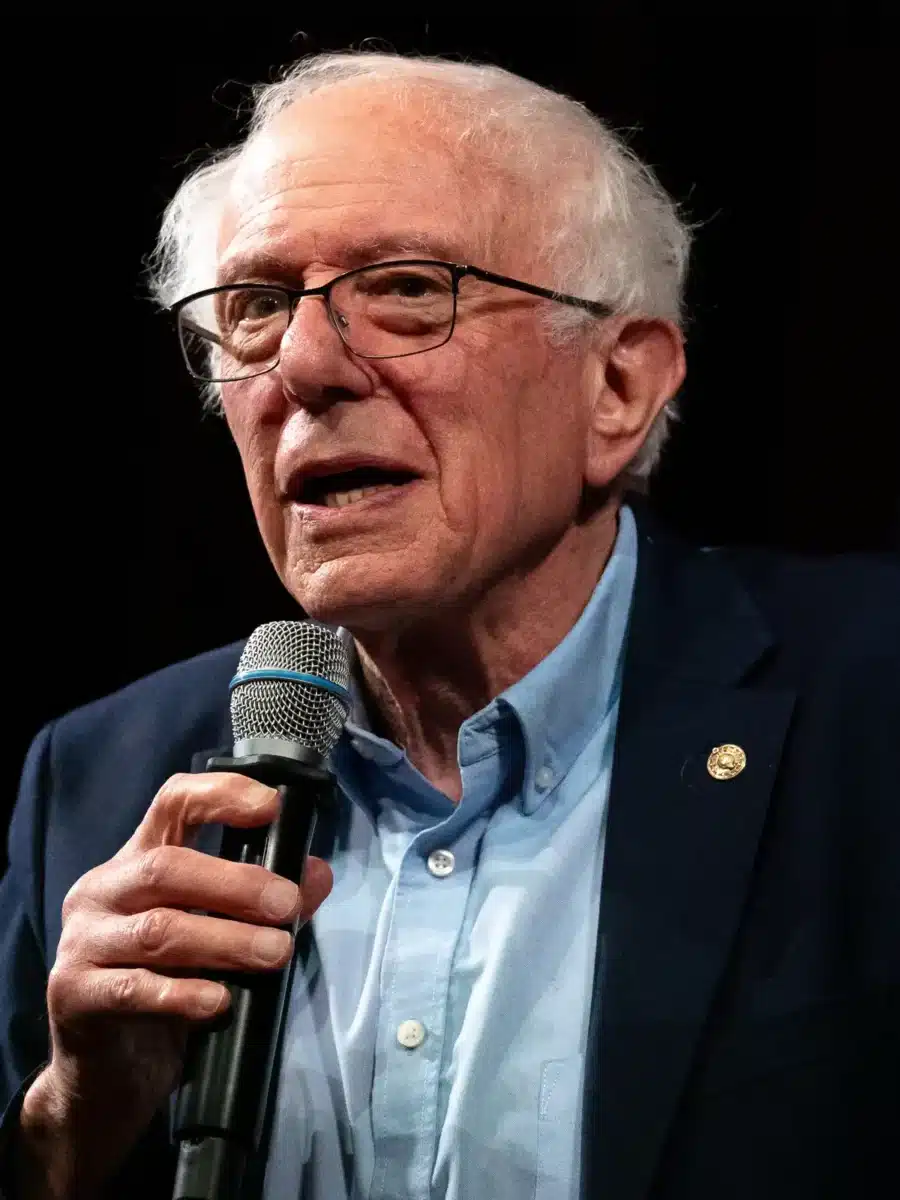
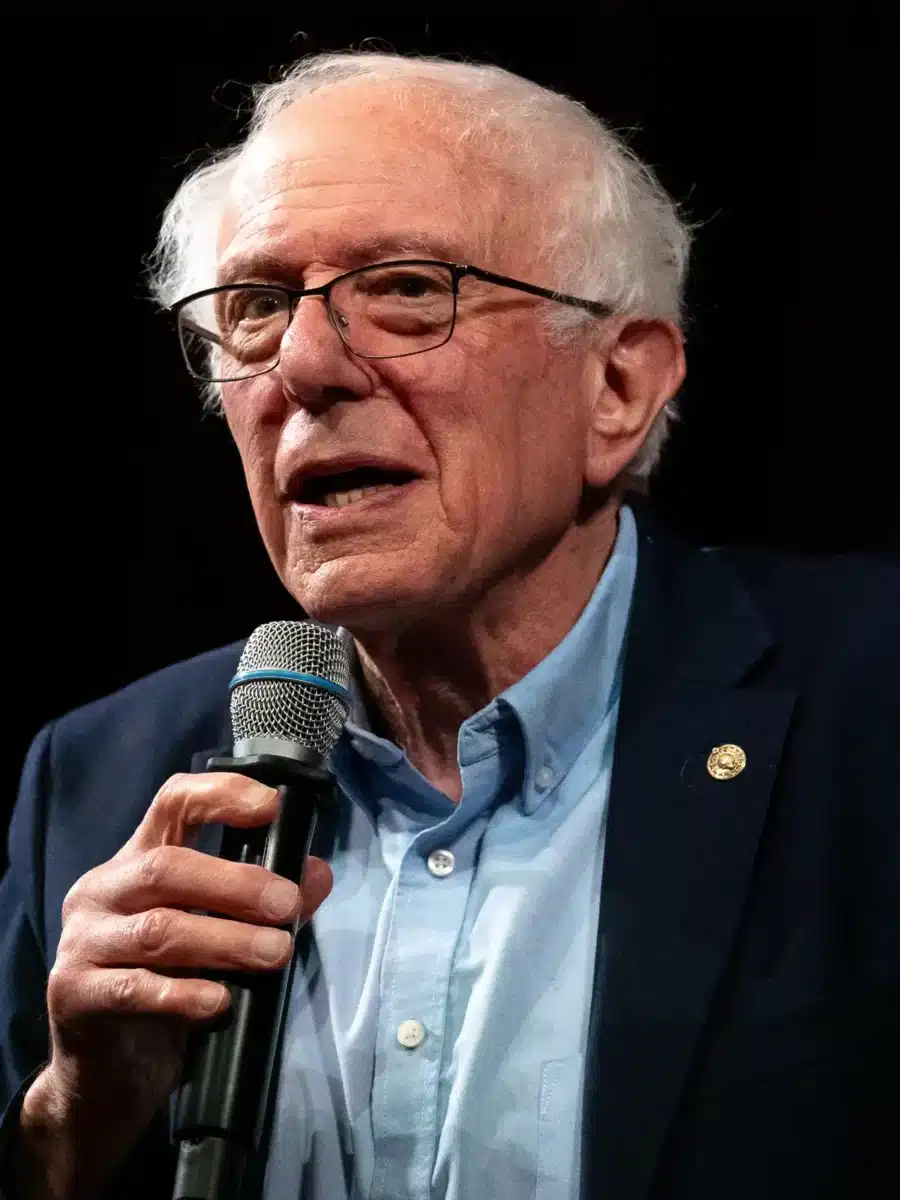
Bernie Sanders has served as Vermont’s senior U.S. senator since 2007, giving “bernie sanders” a continuous national role as an independent who caucuses with Senate Democrats.
As senator, Sanders has led or chaired major committees and pushed progressive economic priorities such as Medicare expansion and tax changes aimed at wealthier Americans, a record detailed in his public biography and profiles.

Sanders first won statewide office in 2006 and took office in January 2007, becoming the longest-serving independent in modern congressional history and the senior member of Vermont’s delegation, according to his published biography.
He represented Vermont in the U.S. House from 1991 to 2007 and previously served four terms as mayor of Burlington, facts that scholars cite when explaining his grassroots base and political longevity.
Known as a democratic socialist and a leader of the modern progressive movement, Sanders helped found the Congressional Progressive Caucus in 1991 and has pushed policies like single-payer health care and free public college throughout his career.

Sanders ran for the Democratic presidential nomination in 2016 and 2020, campaigns credited with shifting the party’s debate leftward and demonstrating strong small-donor fundraising, per contemporary coverage and biographical summaries.
In the Senate he has also used procedural tools such as extended floor speeches to spotlight issues; his 2010 filibuster-length speech against tax cuts for high earners became widely cited in profiles of his tactics.
Beyond legislation, Sanders remains an organizer and national campaigner, joining rallies for other progressive candidates and speaking on income inequality and corporate power — activities reported in recent coverage of his 2026 appearances.
For readers tracking current politics, Sanders’s touring and endorsements can influence competitive races and fundraising dynamics, making him a continuing figure in national political strategy.
Want background on recent appearances and what to watch in Washington? See the site’s roundup of current U.S. politics and a report on his Oct. 18 Florida rally.
U.S. politics roundup and rally in Tallahassee provide local context for his recent travel and endorsements.
Sources
- Wikipedia — biographical details, committee roles, presidential campaigns and policy positions.
- Britannica — overview of Sanders’s Senate career, mayoralty, House service and role in progressive politics.