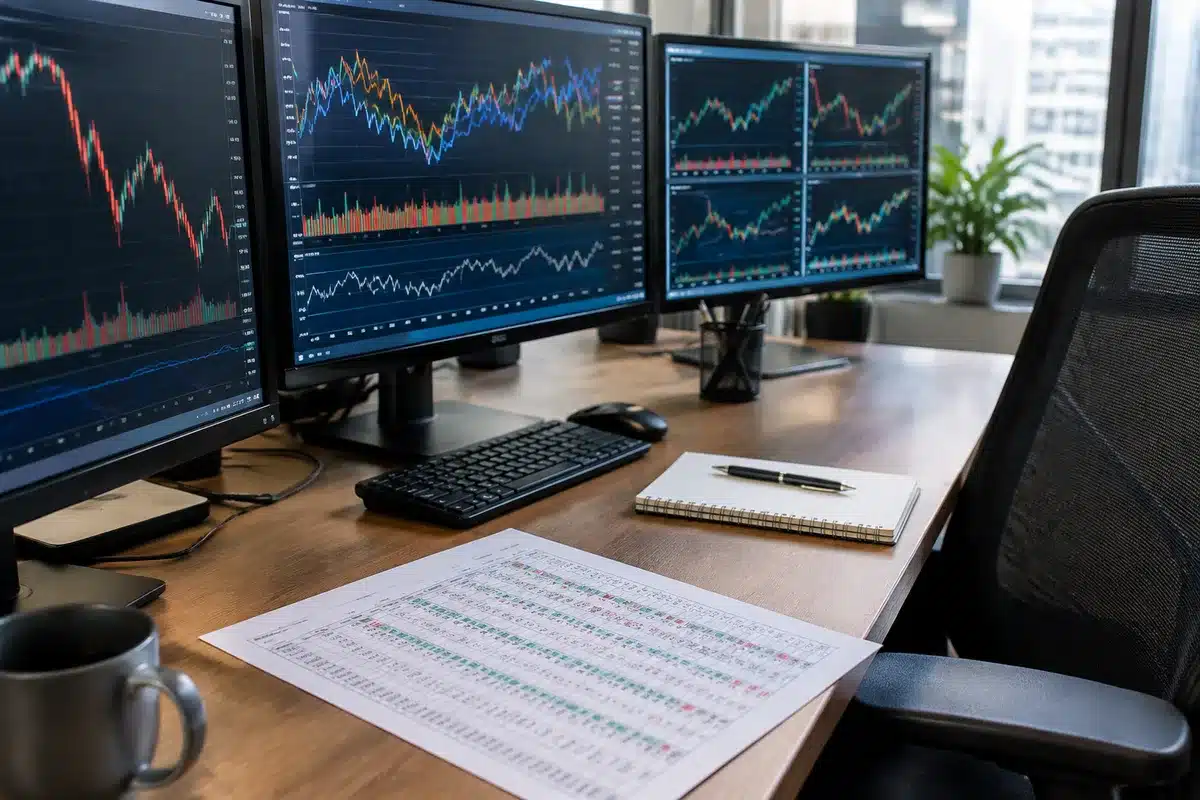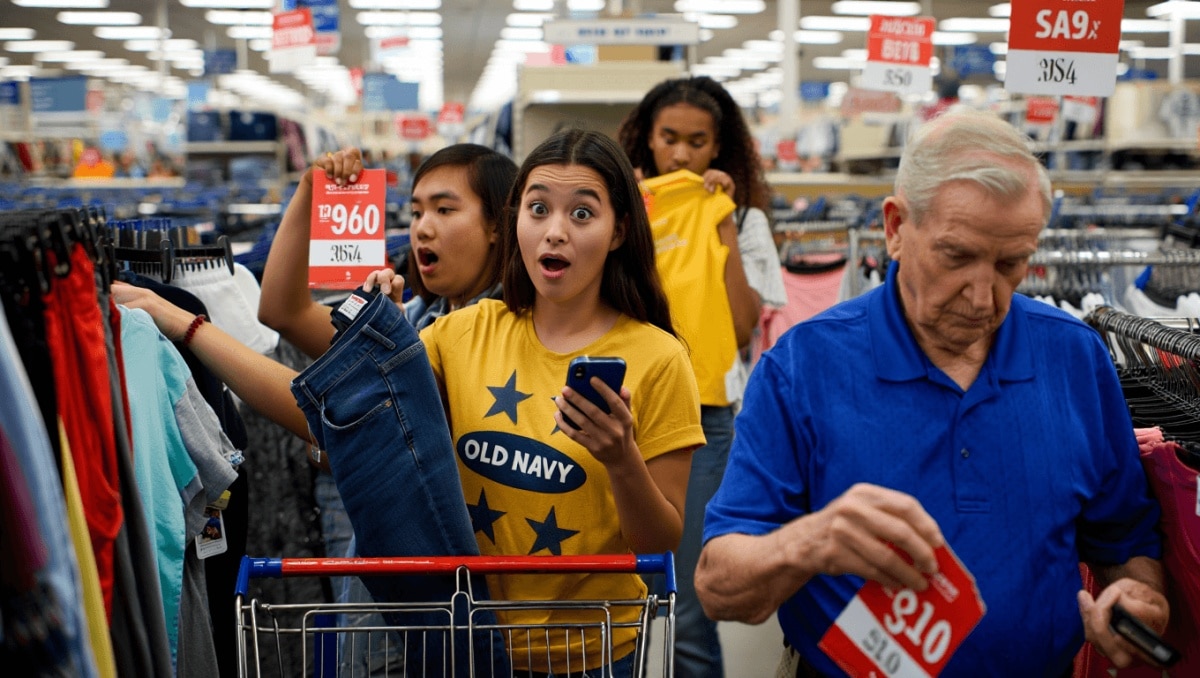
Over the past two weeks I watched an Old Navy shopping cart like a short-term investor watches a stock ticker — checking prices, waiting for dips, and wondering when to click buy. What started as mild annoyance at fluctuating app prices turned into a small experiment that revealed how everyday retail is quietly moving toward algorithm-driven, real-time pricing.
I filled a cart with basics and logged changes daily: socks, leggings, a T‑shirt, and jeans. The total swung several times, once falling by nearly 17% from its opening price, while in-store scans at two locations showed notably higher tags for the same items. When an item in the store was cheaper in the app, staff honored the lower price after I asked — a reminder that the digital and physical shopping experiences are increasingly out of sync.
- Items tracked: socks, leggings, T‑shirt, jeans.
- Observed changes: cart price adjusted multiple times over two weeks; one drop of about $11 (≈17%).
- In-store vs. app: local store scanners often displayed higher prices; app price could be used to request a match.
- Retail response: Old Navy declined to comment on the experiment when asked.
How retailers shifted the rules
The practice of charging different customers different amounts is a long-standing economic tactic — often called price discrimination — and it has familiar, benign examples, like lower-priced student tickets. But digital tools have made that variability continuous rather than episodic.
University of Nevada, Las Vegas economist Mark Tremblay says retailers now have far more realtime data on consumer behavior, which lets them test prices minute by minute instead of relying only on conventional sales cycles. Peggy Stover, who directs a marketing institute at the University of Iowa, notes that retailers historically used markdowns to clear inventory; today those markdowns can be replaced by subtle, rolling adjustments informed by algorithms.
Executives at some apparel firms have publicly signaled a move away from blanket promotions toward more targeted offers. The result for shoppers is less predictability: prices may dip at odd hours or rise without an obvious pattern, turning routine purchases into a small game of timing.
Who benefits — and who falls behind
The experiment showed both advantages and drawbacks. Waiting paid off for me on occasion; patient shoppers who monitor prices can score lower costs. That is the upside of algorithmic pricing: it can tailor discounts to moments of lower demand.
But there’s a flip side. In‑store customers who aren’t checking the app — many older adults, for example — may regularly pay more. Jason Straczewski of the National Retail Federation points to higher operating costs for physical locations as one reason in-store prices can run higher. That difference, combined with the technical skill needed to spot cheaper online prices or to ask staff for a match, creates a gap between savvy, connected shoppers and those with less access or knowledge.
Lindsay Owens, an analyst focused on consumer issues, argues that this shift upends the simple comparison-shopping habits many people learned growing up; when prices move constantly, the posted tag is no longer a stable reference point.
On the ground: a small victory, a larger question
In one store I scanned a three‑pack of socks, showed the cheaper app price, and an employee matched it — reducing my payment by half. That felt like a win. But seeing other shoppers pay a higher price without realizing a lower option existed highlighted a fairness concern: knowledge and access are increasingly part of the bargain.
There are no easy answers. Tremblay joked that if he could reliably predict the best buying moment, he’d be investing rather than commenting. The broader implication is a market where everyday purchases resemble trading: some consumers benefit from timing and tech, others lose out through circumstance.
- Practical steps for shoppers:
- Compare app and in-store scanner prices before buying.
- Ask staff if the retailer will honor a lower online price — many will.
- Set a personal price threshold to avoid endless monitoring.
As dynamic, data-driven pricing becomes more widespread across supermarkets, apparel chains, and other retailers, the stakes extend beyond a single pair of jeans. Policymakers and consumer advocates are watching how these systems affect access and fairness; for individual shoppers, the new normal already means deciding whether to act quickly or to wait and watch the numbers fluctuate.