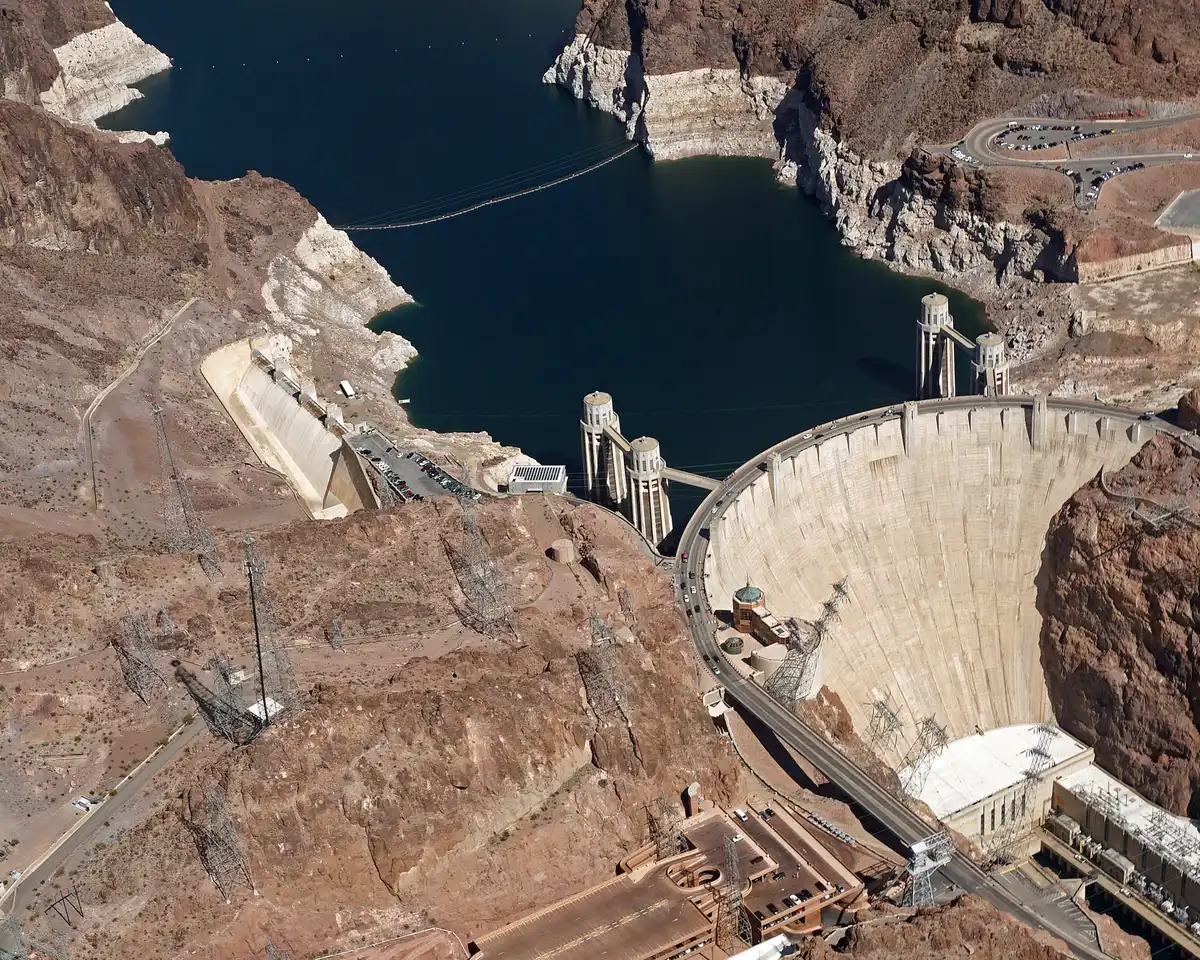
The Bureau of Reclamation says Hoover Dam turbine cavitation damage risk could force upgrades and is allocating about $52 million to address it, including replacing up to three older units with wide-head turbines.
Reclamation announced on May 21, 2026, that the $52 million will come from the Hoover Dam Post Retirement Benefit fund and will fund operations, maintenance and the purchase of wide-head turbines designed to run at lower Lake Mead elevations.
Agency materials state that “recent technical assessments show that older turbines are expected to sustain severe cavitation damage below Lake Mead’s elevation of 1,035 feet,” a condition that would sharply reduce generation capability unless older units are taken offline or modified.

Reclamation’s news release says replacing up to three older turbines with wide-head designs is expected to restore at least 160 megawatts of hydropower capacity and allow operation at lake elevations nearer 950 feet without excessive cavitation damage.
Water Power magazine reported the same $52m allocation and cited Reclamation’s updated operational modelling showing that at 1,035 feet Hoover’s generation could fall from earlier estimates of about 1,302 megawatts to roughly 382 megawatts unless upgrades occur.
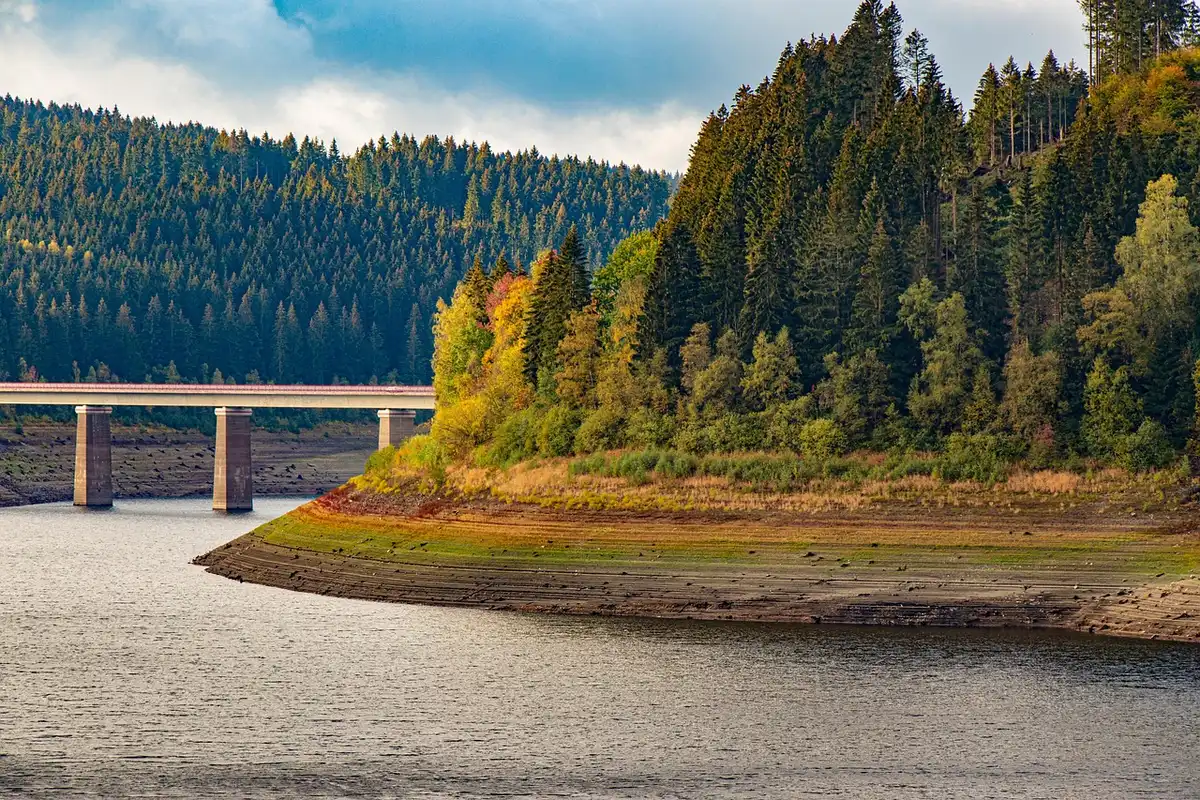
Technical background explains cavitation occurs when vapor bubbles form and implode on turbine surfaces, eroding metal and coatings; Reclamation and industry outlets point to earlier cavitation incidents at other Western dams as cautionary precedent.
Experts and agency statements referenced in the release say wide-head turbines change the flow geometry to reduce bubble formation at lower head (lake elevation), which lets more units operate safely as Lake Mead levels fluctuate.
The funding decision freed the Post Retirement Benefit funds for operation and maintenance after the fund was deemed no longer needed for pension payouts, Reclamation said, and the agency will coordinate project planning with Lower Colorado River Basin power customers.
Power-sector readers may find related context in reporting on shifting project planning and power rules for large users; see data center projects hit by cancellations, local opposition and new power rules for how power availability and infrastructure choices are affecting development decisions.
Sources
- Bureau of Reclamation — May 21, 2026 news release announcing ~US$52m from the Hoover Dam Post Retirement Benefit fund, risk of severe cavitation below 1,035 ft, and plan to buy up to three wide-head turbines restoring at least 160 MW.
- International Water Power — May 26, 2026 report summarizing Reclamation’s announcement and the modelling that shows generation could fall from ~1,302 MW to about 382 MW at 1,035 ft without upgrades.