Online prices are no longer fixed numbers but moving targets — and that volatility is starting to shape everyday choices from dinner orders to appliance purchases. Recent tests by Business Insider reporters and informal office experiments show small, unpredictable shifts that can add up to a larger cost: not just to wallets, but to how people decide what and when to buy.
In one tracking exercise, journalists left several items in an Old Navy shopping cart and watched prices change over a two-week span, sometimes multiple times in a day. In a separate office test, colleagues placed identical McDonald’s orders through the same delivery app at the same time and still saw slightly different fees on their receipts.
Where the swings come from
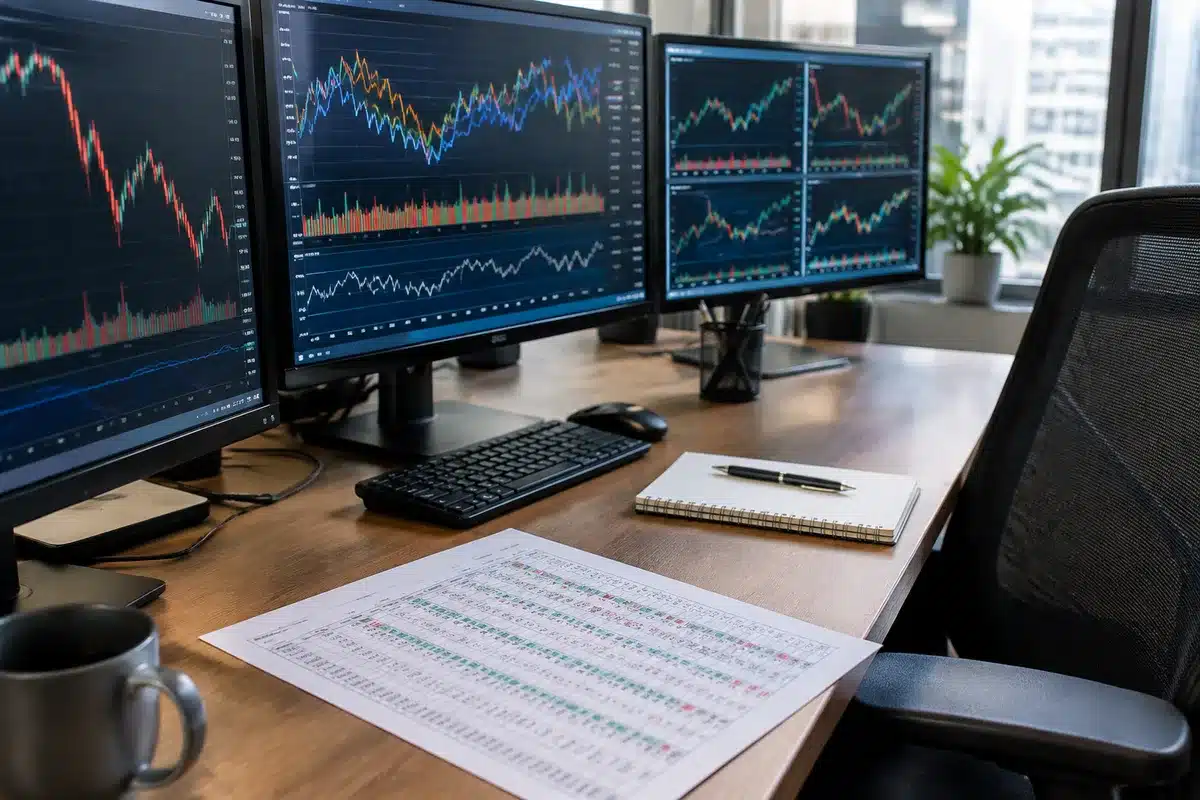
Retailers and platforms increasingly rely on automated systems to set prices in real time. These engines can react to inventory, demand, competitor listings, or user signals — and many operate as opaque models that users can’t see or understand. That combination of data-driven rules and secrecy produces the uneven patterns consumers are encountering.
Mark Tremblay, an assistant economics professor who studies digital markets, figures there isn’t a simple trick to catching the best price. He quipped that anyone who could reliably time those shifts would likely be trading securities rather than offering timing tips to reporters.
Why this matters beyond a few cents
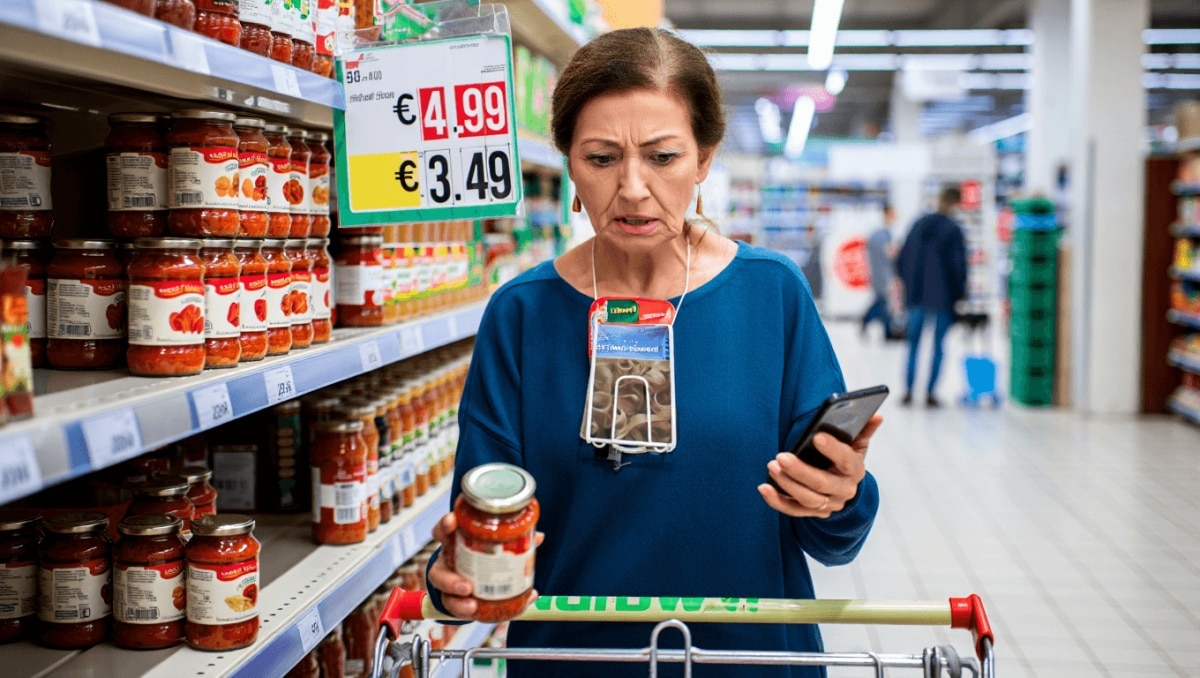
Small differences — a few pennies here, a few dozen cents there — may seem negligible. But the real effect is often psychological. Buyers report second-guessing purchases, delaying decisions, or abandoning transactions altogether because they’re worried a better deal is minutes or hours away. That creeping uncertainty can drive what some consumers describe as decision fatigue.
For larger purchases the stakes feel higher. Shoppers agonize over whether to wait for a sale, buy during a promotional event, or commit now to avoid missing out. The result: more time spent comparing apps, hunting coupons, and refreshing pages, sometimes ending with the modest consolation of making a different choice entirely — like cooking at home instead of ordering delivery.
- Price variability: Short-term fluctuations across sites and apps can make the same item cost different amounts in minutes.
- Opacity: Algorithms set many prices without clear explanations for consumers.
- Time cost: Monitoring multiple platforms increases the effort required to feel confident about a purchase.
- Uneven benefits: Some shoppers do benefit by timing buys well, but most face unpredictability rather than reliable savings.
What this shift means for shoppers and policy
At scale, algorithmic pricing changes competitive dynamics — retailers can respond faster to rivals, suppliers, and local conditions. For everyday buyers, the most tangible consequence is less predictability. That can erode trust in platforms or nudge consumer behavior in ways that are hard to quantify, such as favoring familiar sellers or choosing to pick up orders rather than pay delivery fees.
Regulators and consumer advocates have started to pay more attention to algorithm-driven markets, focusing on transparency and fairness. Meanwhile, the technical complexity of pricing systems makes clear-cut rules difficult: a model that lowers prices during off-peak hours can benefit many shoppers even while creating confusion about the “right” time to buy.
There’s no universal calendar for getting the best deal. Patterns vary by retailer, product category, and even by region. Until pricing engines become more transparent, the practical outcome for many people is the same: purchases are increasingly a behavioral challenge as much as a financial one.
For now, the bigger story is not whether you saved a quarter on a takeout order but how these shifting prices are changing how people shop and decide. That change — subtle but widespread — is worth watching as e-commerce continues to automate more of the buying process.