The fighting in and around Iran is already reshaping the global food picture: interruptions to fertilizer production and higher fuel costs are hitting farmers at the start of the planting cycle, raising the odds of smaller harvests and sustained grocery-price pressure worldwide. That makes this more than a regional conflict — it is a supply shock arriving at a fragile moment for global food systems.
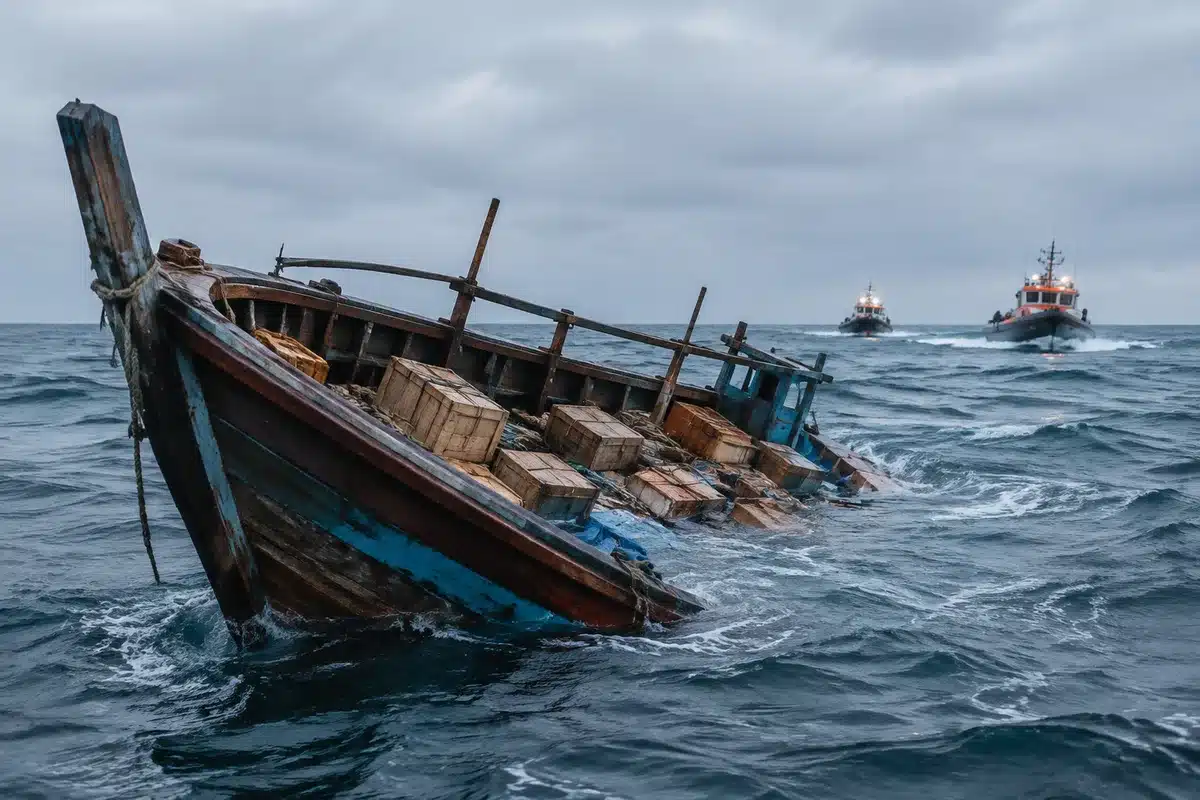
Shipping and production disruptions in the Gulf — especially through the Strait of Hormuz — have curtailed flows of key fertilizer components such as ammonia, phosphorus and potassium. At the same time, oil and diesel have become more expensive, amplifying costs across every step of the food supply chain from manufacture to transport and cold storage.
Prices for some fertilizer inputs have jumped sharply. For example, urea, a high-nitrogen ingredient many farmers rely on, rose from roughly $350 a ton to over $600 in a matter of weeks — a surge that is already influencing planting choices, according to Francisco Martin-Rayo, CEO of agricultural forecasting firm Helios AI.
Timing matters. USC Marshall supply-chain expert Nick Vyas says farmers planting now cannot simply make up missed fertilizer applications later in the season; lost inputs at sowing often translate directly into lower yields.
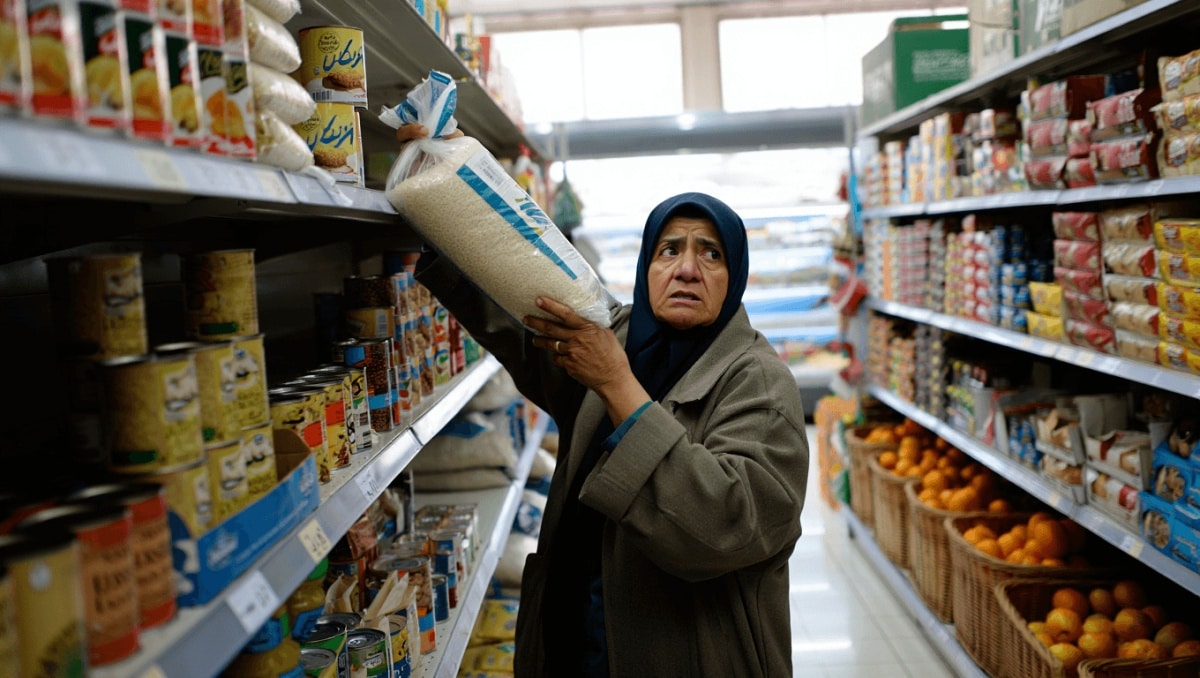
- Near-term consumer impact: Analysts say even a short disruption will likely mean higher grocery bills for consumers, rather than empty shelves in wealthier markets.
- Estimated scale: In a best-case outlook, food-price inflation could rise by roughly 12%–18%, translating to around an extra $100 or more per month for a typical household, per some industry forecasts.
- Upside risk: If shortages worsen or governments curb exports, poorer regions could face acute food-security problems.
How this ripples through crops and diets
Staple cereals — wheat, corn and rice — along with vegetable oils such as sunflower, are the most exposed. Those commodities feed both people and livestock, so reduced harvests would push up prices for meat, dairy and processed foods as well as the staples themselves.
Modern agriculture depends on energy at nearly every stage. That link makes the conflict’s effect on fuel prices just as consequential as the hit to fertilizer production: higher diesel increases the cost of fieldwork, haulage and cold-chain storage, multiplying the price shock.
The result is a cascading set of stresses: more expensive inputs lead some growers to apply less fertilizer, which lowers yields, which shrinks global grain stocks and tightens world markets.
Timing and what to expect next
Even if hostilities ease soon, experts warn that supply-chain disturbances do not resolve quickly. Vyas estimates stability can take several months — often four to six, and in some cases nearer to a year — because planting, harvest and shipping cycles are already underway.
By the time consumer prices fully reflect the disruption, this season’s planting decisions will be largely irreversible. That lag is what makes current interruptions disproportionately damaging compared with shocks that occur outside of seeding or harvest windows.
There is also the geopolitical variable: if countries begin to hoard fertilizer or impose export limits, the market tightening could intensify and hit vulnerable regions hardest — potentially undermining daily caloric access for millions.
What to watch
- Announcements from major fertilizer producers in the Gulf about production or shipping damage.
- Changes in urea and other fertilizer ingredient spot prices and freight rates for fuel and shipping.
- Any export restrictions or emergency stockpiling policies by large suppliers.
- Short-term crop reports from key producers that would show planting progress and early yield signals.
For now, the clearest near-term outcome is continued upward pressure on food costs. How severe and how prolonged that pressure becomes will depend on the conflict’s trajectory, damage to production and transport infrastructure, and whether policy responses accelerate or restrain global flows of fertilizer and fuel.