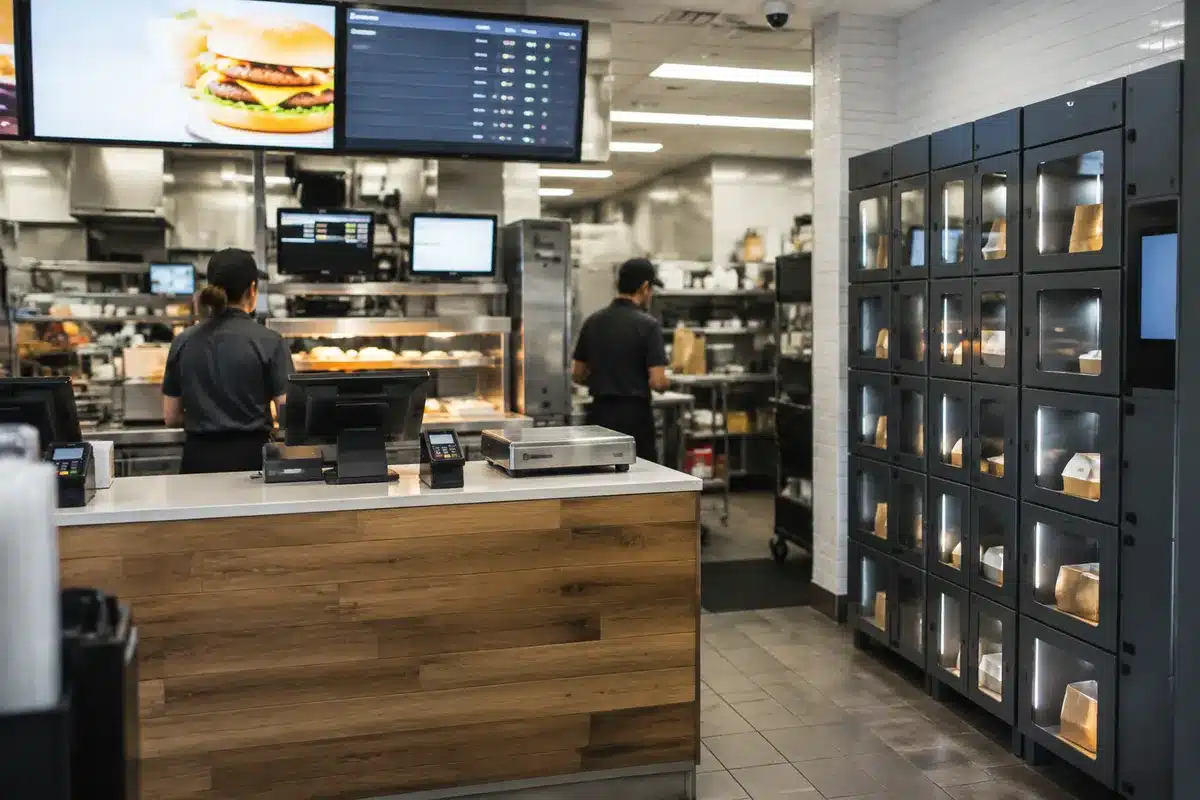
San Francisco’s rules for chain store or “formula retail” uses treat many chain stores differently: the Planning Code defines a formula retail business as one with 11 or more other locations worldwide that also keeps standardized features such as façade, décor or signage, and that classification can trigger extra permitting steps.
The city’s Planning Department website cites Section 303.1 of the San Francisco Planning Code and states: “Formula retail uses are commonly referred to as ‘chain stores.’ … a type of retail sales activity … that has eleven or more other retail sales establishments in operation, or with local land use or permit entitlements already approved, located anywhere in the world,” and that the business must “maintain two or more” standardized features to qualify as formula retail.
When a proposed use meets the formula retail definition, the Planning Department says additional controls apply depending on zoning; many formula retail projects require a Neighborhood Notification process and, in some districts, a Conditional Use Authorization (CU) reviewed at a public hearing by the Planning Commission.

The Planning Department lists specific triggers: by voter initiative (Proposition G) formula retail became subject to Conditional Use Authorization in NC neighborhood commercial districts, and the Code names district types such as RC-3, RC-4, UMU and MUG where CU is required for formula retail.
The Code Library copy of Section 303.1 provides the legal text that underpins the Planning guidance, including provisions that treat larger formula retail establishments (for example thresholds tied to gross square footage) differently in certain articles of the Code.

San Francisco also layers workplace rules on top of land-use limits: the city’s government site notes the Formula Retail Employee Rights Ordinances, which establish scheduling and retention requirements for employees at covered formula retail establishments.
For anyone planning a new chain store in San Francisco, the Planning Department recommends using its Formula Retail Affidavit & Checklist and contacting the Planning Counter early; the department’s guidance points applicants to the city zoning map and to Department of Building Inspection requirements.
What this means in practice depends on your site: some zoning districts prohibit formula retail outright (the Planning page notes several historic or visitor retail districts where formula retail is not allowed), elsewhere a project will go through neighborhood notice and possibly a CU hearing where the Commission must find the project consistent with the General Plan.
Sources
- San Francisco Planning — explained the formula retail definition, the affidavit/checklist, Neighborhood Notification process, and where Conditional Use Authorization applies.
- Code Library (amLegal) — reproduced the text of Section 303.1 of the San Francisco Planning Code defining formula retail and related legal thresholds.
- SPUR — contextualized Proposition G and voter-origin of Conditional Use rules for formula retail.
- City and County of San Francisco (sf.gov) — described the Formula Retail Employee Rights Ordinances and scheduling/retention rules for covered establishments.