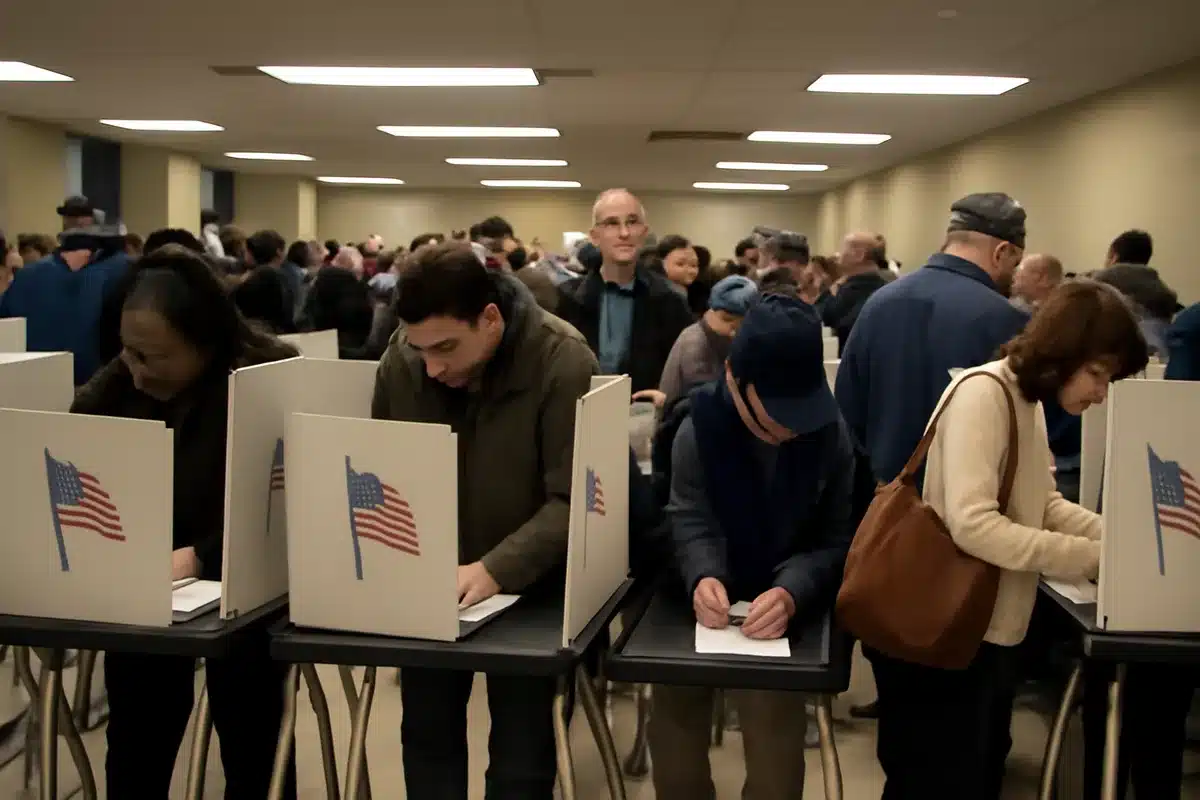
New Hampshire voters tested whether a progressive challenger can upset a centrist incumbent in the Democratic Senate primary on Tuesday, September 8, with U.S. Rep. Chris Pappas facing scientist Karishma Manzur in a race that tightened dramatically in recent weeks. The primary determines who will face Republicans in November for the open seat left by retiring three-term Senator Jeanne Shaheen.

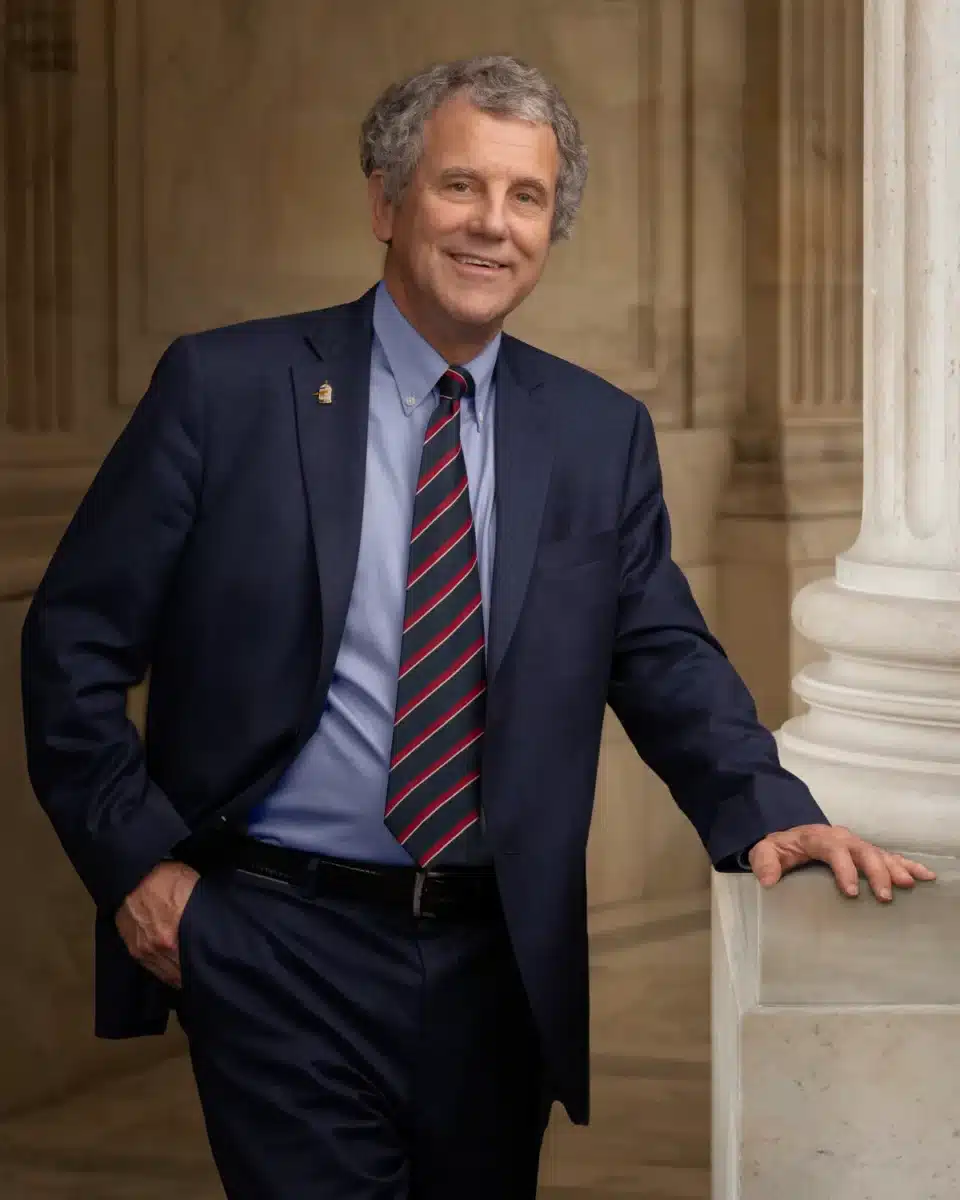
Pappas, a congressman from New Hampshire’s 1st District who has held elective office for two decades, entered the race as the presumed Democratic nominee. But a University of New Hampshire poll released August 26 showed his lead over Manzur had collapsed from 43 points in April to just 13 points, signaling a tightening contest in a state where progressive primary challenges have gained traction nationally.
Manzur, a science writer and neurological researcher with a Ph.D. in biochemistry and molecular biology, launched a grassroots campaign emphasizing universal health care, a $25 minimum wage, and ending military aid to Israel. She criticized Pappas’s ties to major donors and the Democratic establishment, positioning herself as a break from conventional politics.
The race mirrors a pattern emerging across 2026 Democratic primaries. In Michigan in August, progressive former public health official Abdul El-Sayed narrowly defeated moderate U.S. Rep. Haley Stevens in a closely watched Senate primary, despite Stevens receiving record-setting outside spending in her favor. That result demonstrated that progressive candidates can overcome financial disadvantages and establishment backing when they mobilize grassroots energy, according to political analysts.

Pappas held a commanding financial advantage heading into primary day. July campaign filings showed him with more than $5 million in cash on hand—roughly 100 times what Manzur had raised. He also announced endorsements from national figures, including former Vice President Kamala Harris, to shore up support among Democratic donors concerned about the general election against Republican nominee John E. Sununu.
Yet in the final week, Pappas appeared to adopt elements of Manzur’s message, declaring that “our political system is rigged” and “skewed in favor of corporate special interests.” Manzur responded by accusing him of copying her talking points. The dynamic reflected how even a candidate favored by party infrastructure felt compelled to address the anti-establishment sentiment her campaign had mobilized.
The New Hampshire Senate race is one of the nation’s most closely watched midterm contests. Democrats currently hold a structural advantage in the state, but Republicans identified the open seat as a top pickup target. Primary election results shape battle for Congress control in 2026, and the outcome of races like this one will influence both parties’ November strategies and resource allocation.
Sources
- New Hampshire Public Radio — Pappas-Manzur race tightening, polling data, candidate messaging, financial disparities.
- PBS NewsHour — Abdul El-Sayed’s Michigan Senate primary victory over Haley Stevens.
- University of New Hampshire Survey Center — August 26, 2026 poll showing Pappas lead narrowed from 43 to 13 points.
- NBC News — Primary day coverage and race context.
- Reuters — New Hampshire primary overview and competitive dynamics.