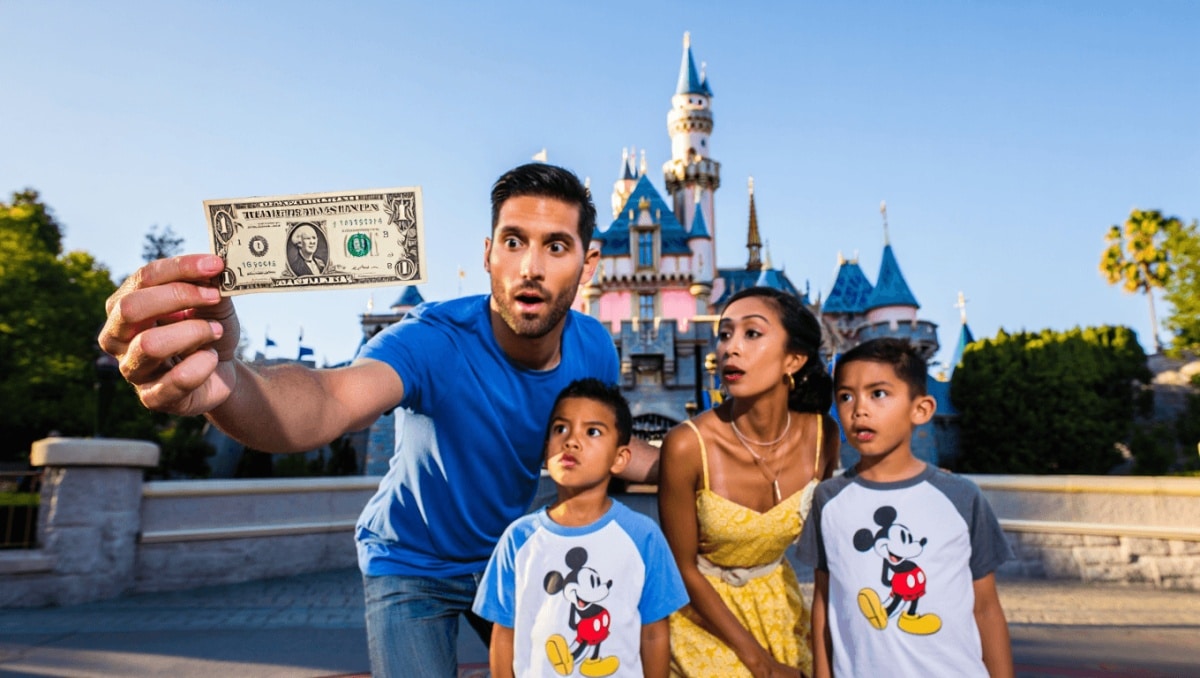
A trip to a Disney park has become noticeably pricier in recent years, pushing families to rethink vacations once considered routine. Rising admission fees, surging food and souvenir costs, and the disappearance of some formerly free perks mean a single visit can now command a travel-sized budget.
Between 2014 and 2024, the average price of a one‑day ticket at Walt Disney World increased roughly 5% per year, a pace that outstripped normal inflation, according to CNBC. That steady climb, combined with new paid add‑ons and service changes, is reshaping what a Disney vacation actually costs today.
How park prices have evolved
Disneyland opened in 1955 with very low headline prices for the era; adults paid a dollar and children fifty cents, with individual rides charged separately. Converted into today’s dollars, those entry fees would be modest compared with current rates.
When Disney World debuted the Magic Kingdom in the early 1970s, admission was still inexpensive by modern standards. As the company built more parks and attractions over the decades, ticketing and park access steadily shifted to reflect expanding offerings and higher operating costs.
What visitors pay now
Ticketing has become more complex and, at times, more expensive. Since introducing dynamic pricing in 2016, Disney adjusts one‑day ticket costs based on demand; low‑demand days may start around $119 for a single‑park ticket in Orlando, while peak dates can push that price well higher. Disneyland’s entry points tend to run slightly lower at the bottom end.
Annual access has moved even further from its earlier affordability. In 2015, a Walt Disney World annual pass cost several hundred dollars; current premium passes can top $1,600 — a real increase of roughly 40% after adjusting for inflation.
At the same time, some formerly complimentary conveniences are gone or now cost extra. The once‑free FastPass queueing system has been replaced by the paid Lightning Lane options, which, depending on selections, can add several hundred dollars to a trip. The free airport shuttle that transported resort guests from Orlando International — the Magic Express — was discontinued in 2022, leaving travelers to choose paid ride‑share, rental cars or third‑party shuttles.
- Average ticket growth: ~5% per year (2014–2024)
- Single‑day pricing: entry-level around $119; peak days significantly higher
- Annual passes: from under $1,000 in the mid‑2010s to up to about $1,629 today
- Lightning Lane: can add up to several hundred dollars depending on usage
- Airport transfer examples: third‑party shuttle ~$32 per person; private services can be hundreds of dollars
Food, souvenirs and the day‑to‑day bill
Snacks and meals at the parks have risen faster than simple inflation calculations would predict. Classic items that cost a few dollars a decade ago now run substantially higher.
Examples from in‑park menus and price comparisons show that items such as ice cream bars, pretzels and specialty treats have more than doubled in many cases. Overall, guests frequently report spending roughly $50 to $60 per person, per day on food during a park visit.
Merchandise follows a similar pattern: basic souvenirs that once sold for low double‑digit prices can now cost $20–$50, while collectible pins and limited items carry premium tags.
What a full vacation adds up to
Putting tickets, lodging, food, transport and extras together, travel‑cost estimates for a seven‑night Disney World vacation vary widely. NerdWallet’s recent figures place a typical family‑of‑four trip in a broad range from roughly $6,000 at the frugal end to more than $15,000 for a more comfortable itinerary.
That spread reflects choices about when to visit, whether to buy add‑ons like Lightning Lane access, where to stay, and how much is spent on dining and souvenirs.
Why this matters now
Higher prices have tangible consequences for consumer behavior. A 2025 Wall Street Journal survey found many Americans feel large leisure experiences—cruises, theme parks and destination resorts—are becoming unaffordable for typical households. Some families are reducing trip frequency or turning to shorter, less costly getaways.
Despite cost pressures, attendance has not collapsed. Disney reported a modest uptick in visits to its domestic parks in a recent quarterly update, signaling demand remains resilient even as the company pursues revenue through ticketing tiers and paid services.
- Consumer sentiment: many say major leisure purchases are harder to afford
- Demand signal: attendance at U.S. parks showed slight growth in a recent quarter
- Company drivers: inflation, labor costs, large investments in new attractions and targeted pricing strategies
The bottom line: Disney trips are no longer just about ticket price. For families and frequent visitors, planning a visit now means budgeting for transportation, dining, paid line‑skip options and pricier souvenirs—all of which can turn a single day at the park into a significant expense. Observers say Disney’s approach reflects both broader cost pressures in the economy and a deliberate shift toward revenue from experiences and add‑ons rather than flat ticket hikes alone.