This week two major prediction-market platforms turned heads in New York City by handing out free groceries, a move that mixes marketing, civic attention and a direct donation to hunger relief. The actions highlight how quickly these firms are trying to translate online traction into real-world visibility — and why regulators and charities are watching closely.
What unfolded on the ground
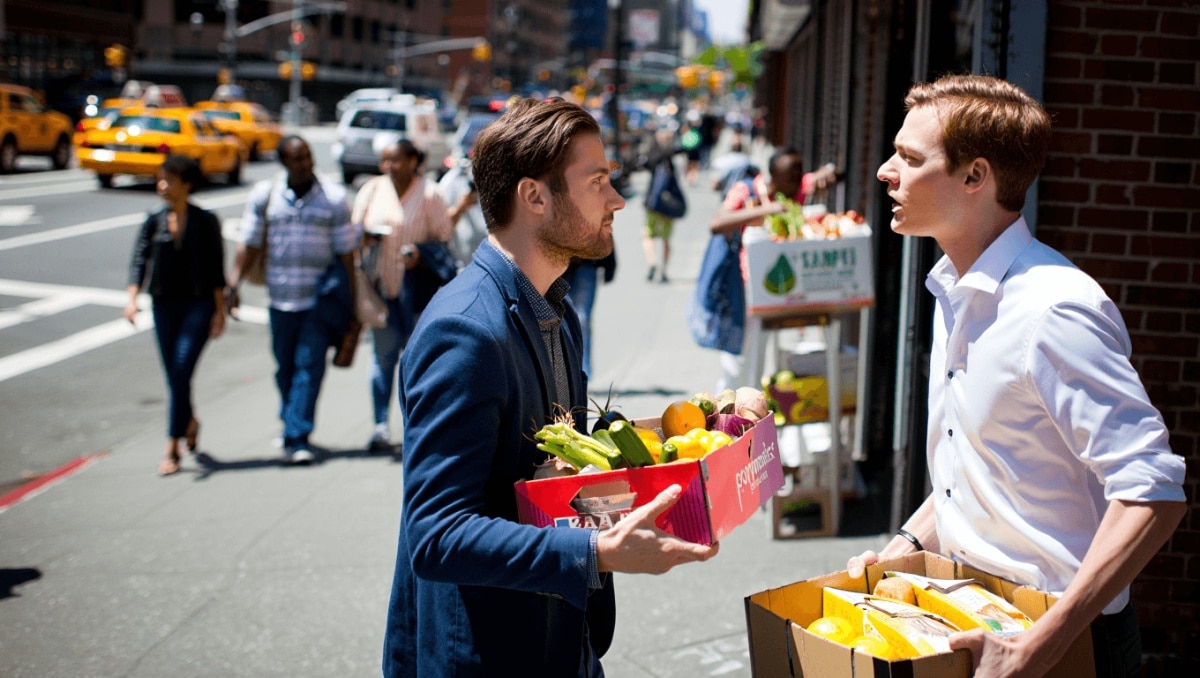
On Tuesday, Kalshi staged a short giveaway at Westside Market in Manhattan’s East Village, offering shoppers up to $50 in free groceries. The event drew a steady line of customers between noon and 3 p.m. at the store on 84 3rd Avenue.
Days later, rival platform Polymarket announced a larger activation: a temporary, no-cost grocery shop it says will operate from Thursday, February 12 at noon through Sunday, February 15. The company also announced a seven-figure donation to support food assistance in the city.
- Kalshi: Up to $50 per shopper at Westside Market (84 3rd Ave), Tuesday, 12–3 p.m. ET.
- Polymarket: Pop-up free grocery store in New York, open Feb. 12–15; exact address pending.
- Polymarket donated $1 million to Food Bank For New York City, a contribution the charity confirmed.
Why this matters now
The giveaways are more than publicity stunts. For residents, they represent immediate, tangible aid during a period when food affordability is a front‑of‑mind issue for many New Yorkers. For the companies, the activations are a chance to convert online fame into broader public recognition and goodwill.
At the same time, the events arrive amid heightened scrutiny of prediction markets. Regulators and observers are focused on whether trading platforms can prevent abuses, including trading on privileged information, while they expand into mainstream media partnerships and public-facing campaigns.
Context and consequences
Both firms have grown rapidly and pursued high-profile tie‑ins: Polymarket has linked with entertainment and financial outlets, and Kalshi has secured broadcast partnerships. These moves help normalize prediction markets but also invite closer attention from lawmakers and the public.
Last year, an anonymous trader’s sizable win tied to political events prompted questions about the platforms’ oversight. In response, some companies have reiterated commitments to anti‑insider‑trading rules and to cooperating with possible regulation.
For New Yorkers, the immediate consequence is practical — free food for participants and support for local food programs. For the wider market, the events test how companies balance rapid growth, public relations, and regulatory risk as they step into more visible civic roles.
What to watch next
Key follow-ups include the exact location of Polymarket’s pop‑up, how many people the donation and events materially help, and whether regulators or city officials respond to platforms using charitable stunts to boost profile. How these firms document compliance with trading rules and transparency measures will also shape future trust and oversight.