Vinyl records have staged a remarkable comeback, but that revival is colliding with a fragile manufacturing base and stretched supply chains. For artists, indie labels and record shops, the mismatch between booming demand and limited production capacity is shaping release schedules, costs and the long-term future of a format once written off as obsolete.
From household staple to niche artifact
For decades, records were the backbone of music distribution. Turntables were common fixtures in living rooms, and pressing plants operated at scale to meet steady consumer demand.
When compact discs and then digital downloads swept the market, many pressing facilities closed or pivoted. Skilled operators and specialized machinery disappeared, leaving behind a much smaller industrial footprint.
The unexpected resurgence
Beginning in the 2010s, listeners—driven by a desire for tangible music experiences and a growing collector culture—started buying vinyl again. Record sales climbed steadily, boosted further by special releases, anniversary editions and events that revived interest in physical formats.
The rebound created new business opportunities for independent labels and small-batch pressing operations, but it also exposed the limits of an industry that had shrunk for decades.
- Mid-20th century: Mass production and mainstream popularity of vinyl.
- 1990s: Shift to CDs and a steep decline in pressing capacity.
- 2010s: Vinyl sales rebound; collector and nostalgia markets expand.
- Recent years: Demand surges collide with raw-material shortages and limited press capacity, lengthening production lead times.
Where bottlenecks appear
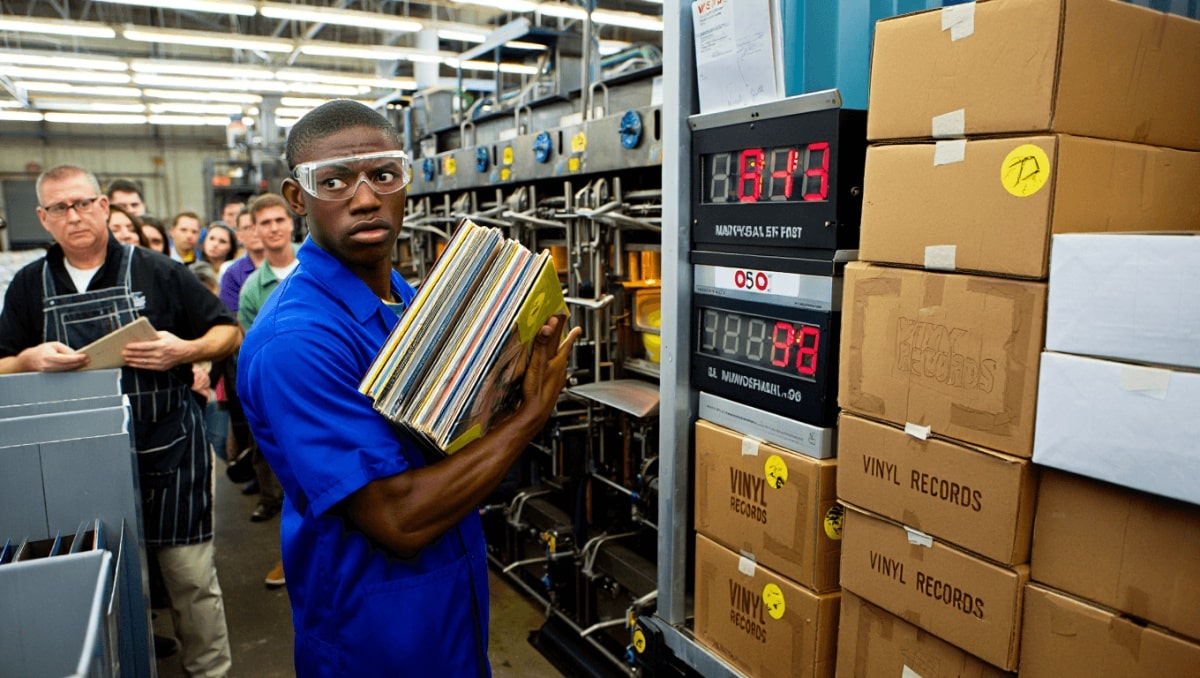
Several factors have combined to squeeze the supply side. Raw materials—especially PVC—face volatility tied to global petrochemical markets. The specialized presses themselves are expensive to buy and maintain, and skilled technicians are in short supply.
Smaller pressing plants often juggle tight schedules and unpredictable backlogs. For larger operations, scaling up means major capital expenditure and long timelines to bring new machines online.
That imbalance translates into practical problems: delayed album releases, higher unit costs for limited runs, and fewer vinyl options for independent artists who cannot absorb added lead times or expenses.
Winners, losers and the middle ground
Established artists and major labels can often absorb delays and costs, reserving premium press runs and guaranteed slots at plants. Emerging musicians and boutique labels frequently find themselves at a disadvantage, forced to choose between smaller, costlier batches or digital-only releases.
Record stores and collectors face unpredictability: planned drops get pushed back, and sought-after pressings can become unexpectedly scarce—fuel for secondary markets and price inflation.
Paths forward
Several developments could ease pressure on the industry. Investment in newer, more automated pressing equipment would reduce per-unit labor costs and raise throughput. Expanded use of recycled materials could address sustainability concerns and reduce dependence on volatile petrochemical supplies.
Localizing some production and rebuilding skilled workforces would also help, but those moves require time and coordinated investment from both private and public actors.
Meanwhile, artists and labels are adapting: some plan releases farther ahead, others stagger vinyl editions, and a growing number opt for limited cassette or special-edition runs to bridge gaps.
What this means for listeners
Collectors should expect continued variety but also occasional shortages and longer waits for new pressings. If you prize the tactile experience of records, planning ahead—pre-orders, subscriptions with indie stores, or direct buys from labels—remains the safest route.
For the music ecosystem as a whole, the vinyl story underscores a broader point: physical formats have cultural value, but maintaining them requires renewed industrial commitment. Whether that leads to a sustainable renaissance or a restricted, boutique market depends on investment choices made now.