Update (Sep 5): Fed Governor Michael Barr signaled on September 1 that he is considering a rate hike, joining at least five other voting members in supporting a potential increase, with traders now betting on a quarter-point hike to 3.75%-4% at the September 16 FOMC meeting.
President Donald Trump on Friday demanded that the Federal Reserve cut interest rates, threatening to halt trade with countries that maintain deficits with the United States if the central bank refuses to act. “We should have the LOWEST RATE of any country in the World … LOWER THE RATE OR I’LL STOP TRADING WITH COUNTRIES WITH WHICH WE HAVE A DEFICIT,” Trump said in a Truth Social post on September 4.
Trump’s ultimatum comes as the Fed faces mounting pressure to raise rates, not lower them. Fed Chair Kevin Warsh signaled on August 28 at the Jackson Hole Economic Policy Symposium that interest rate hikes may be necessary if inflation fails to show meaningful progress toward the central bank’s 2% target. Following Warsh’s remarks, market expectations of a rate increase at the Fed’s September 15-16 meeting jumped to roughly 60%, nearly double the probability priced in before his speech.
The tension between Trump’s demands and the Fed’s hawkish signals intensified on Friday when the Bureau of Labor Statistics reported that U.S. employers added 162,000 jobs in August, far exceeding expectations. The stronger-than-expected jobs report reinforced trader bets on a September hike, putting the Fed in a position where Fed officials signal rate hike may be needed if inflation doesn’t cool, directly opposing the president’s calls for cuts.
Warsh acknowledged that recent inflation data has been “soft,” but said the progress does “not tell me that underlying trends have meaningfully improved.” He emphasized that the Fed “must be confident that underlying inflation is moving to our objective, clearly and at sufficient speed. Otherwise, we have work to do.” The Fed’s benchmark rate currently sits at 3.5% to 3.75%, where it has remained since January 2026.
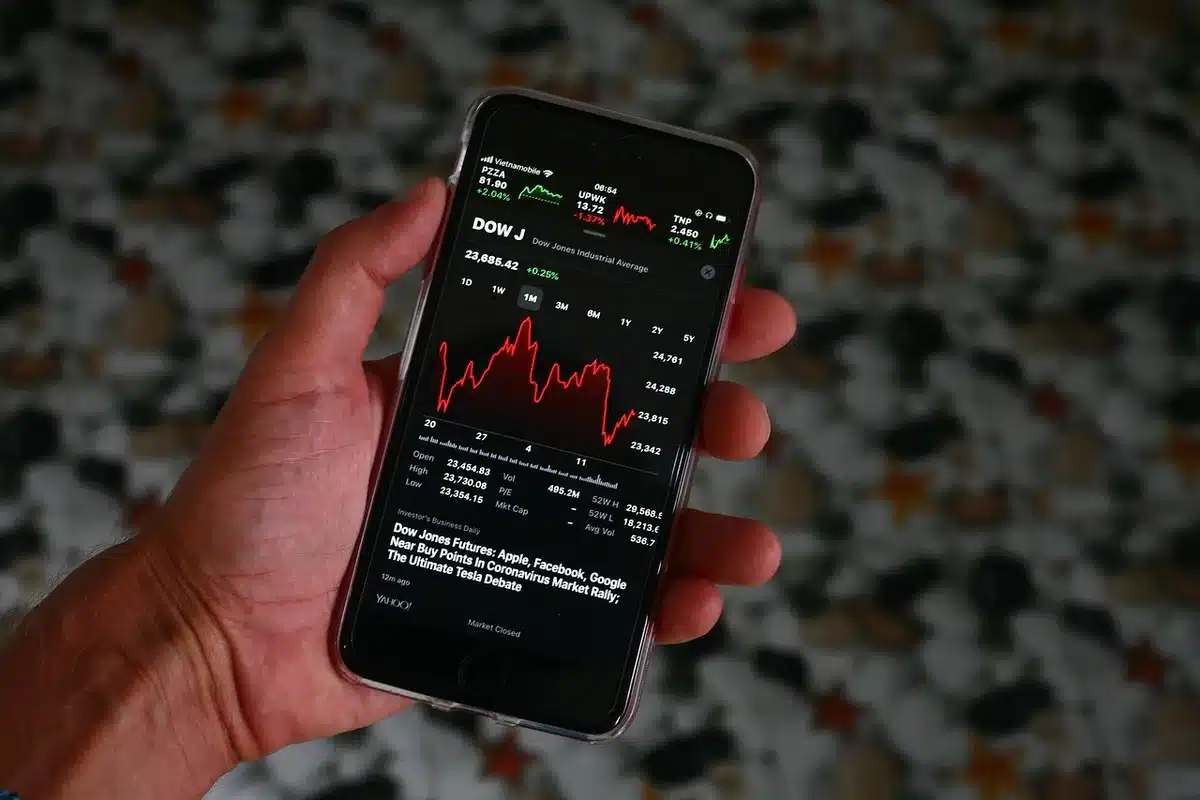
Trump’s criticism of the Federal Reserve is not new. He has repeatedly attacked the central bank’s interest rate policy throughout his presidency, arguing that higher borrowing costs harm economic growth and strain the nation’s nearly $40 trillion debt burden. In August, Trump complained that “when we announce good numbers, the better they are, the worse it is for interest rates,” suggesting the Fed acts for political rather than economic reasons. He has also pointed to other countries’ lower rates as evidence the U.S. is at a disadvantage, citing Switzerland’s benchmark rate of roughly 0.5% compared to the American rate.
However, Trump has shown some restraint regarding Warsh, whom he nominated to lead the Fed in May 2026. On August 31, when asked about the possibility of rate hikes, Trump said Warsh would “do what he has to do” on inflation, suggesting a degree of deference to his appointee. The president praised Warsh as doing a “great job” in August, even as the Fed chair prepared to signal a tougher stance on price growth.
Treasury Secretary Scott Bessent offered a counterpoint on Monday, arguing against immediate rate hikes. “We’ve seen a supply shock, and traditionally you don’t raise into a supply shock unless you see second- or third-order effects,” Bessent told CNBC at the G20 summit. “And we are seeing the core inflation has remained very, very restrained.” Some economists, including those at Citigroup, have predicted that cooler inflation data and softer labor market conditions will ultimately prevent a September hike, despite Warsh’s hawkish messaging.
The conflicting signals underscore a fundamental disagreement about the economy’s direction. Trump and his administration view interest rates as an obstacle to growth and debt sustainability, while Warsh and inflation-focused policymakers see persistent price pressures as the more immediate threat. The Fed’s decision at its mid-September meeting will test whether Warsh will follow through on his Jackson Hole warnings or whether incoming economic data will shift the central bank’s calculus.
Sources
- Reuters — Trump’s September 4 statement on Truth Social threatening to halt trade if Fed doesn’t cut rates
- CNBC — Warsh’s Jackson Hole speech on August 28 signaling possible rate hike; market repricing of September hike odds to 60%; Trump’s August 19 criticism of Fed policy
- PBS NewsHour — Trump’s August 31 comment that Warsh will “do what he has to do” on rate hikes
- Bureau of Labor Statistics — August 2026 jobs report showing 162,000 payroll additions on September 4
- Washington Post — Warsh’s Jackson Hole speech details on inflation concerns and rate hike signals
- CNBC — Treasury Secretary Bessent’s September 1 comments on supply shocks and core inflation at G20 summit