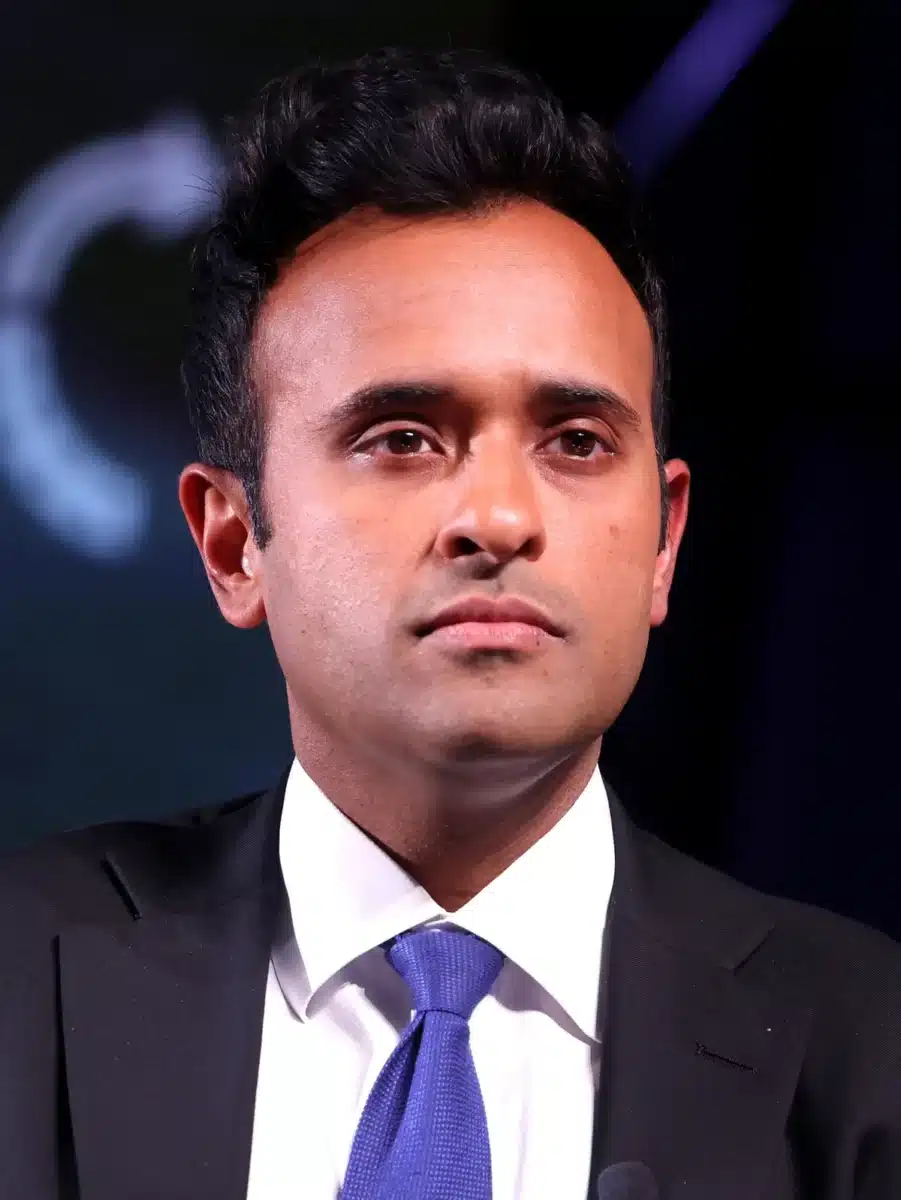
Rick Santelli breaks down jobless claims data showing initial unemployment benefits rose 2,000 to 206,000 for the week ended August 29, underscoring a labor market that remains stable despite marginal increases in filings.
The Labor Department reported the increase Thursday, with the four-week moving average rising modestly to 207,250. Economists surveyed by Reuters had forecast 206,000 claims, meaning the actual figure met expectations.
Jobless claims serve as a proxy for layoffs and offer a timely read on the labor market’s health. The current levels remain at historically low levels—a pattern that has persisted for much of 2026. In July, claims fell to 187,000, the lowest level since September 1969, according to an Axios report from late July. Since then, claims have drifted slightly higher but stayed well within a historically tight range of 200,000 to 230,000 per week.

The number of people collecting unemployment benefits after an initial week of aid rose 8,000 to 1.779 million for the week ended August 22, according to Reuters. Economists characterize the current environment as a “slow-hire, slow-fire” labor market—a phrase that captures employer reluctance both to lay off workers and to aggressively hire new ones.
This dynamic reflects a broader shift in hiring behavior. Companies, remembering worker shortages after pandemic lockdowns ended, have become cautious about reducing headcount. At the same time, the Federal Reserve’s focus on inflation and lingering effects of high interest rates have dampened employer appetite for expansion. The unemployment rate remains low at 4.1%, but gross hiring—the total number of new jobs before accounting for separations—fell 5 percent to fewer than 5.1 million new jobs, according to the Associated Press.
The Fed’s Beige Book, released Wednesday, described employment as having risen “very slightly” in August, with healthy labor demand concentrated in manufacturing, construction, and some service sectors, while retail and hospitality saw falling demand. Fed officials have signaled that interest rate policy remains data-dependent, with inflation readings and employment trends shaping decisions on whether to raise rates before year-end.
The Labor Department is expected to release August employment data Friday, forecasting 65,000 new jobs added and an unemployment rate of 4.2 percent, according to FactSet. The anticipated modest rebound from July’s 23,000 job losses would partly reflect a seasonal uptick in local government education payrolls, though some economists have flagged risks from the recent end of Temporary Protected Status for Haitian nationals, which affects work authorization for hundreds of thousands of people.
Santelli, who joined CNBC as an on-air editor in 1999, regularly analyzes economic releases and market movements for the network’s programs. His commentary on jobless claims and other labor data has become a fixture of CNBC’s coverage during major economic announcements, helping investors and viewers interpret what shifts in layoffs might signal about the broader economy.
Sources
- Reuters — initial jobless claims data for week ended August 29, 2026; labor market characterization as “slow-hire, slow-fire”; Fed commentary from Governor Christopher Waller
- KSAT / Associated Press — jobless claims increase to 206,000; four-week moving average; gross hiring decline; unemployment rate and continuing claims data
- U.S. Department of Labor — official initial claims and continuing claims figures
- Axios — July 2026 jobless claims at 187,000, lowest since September 1969
- CNBC — Rick Santelli profile and role as on-air editor
- Federal Reserve — Beige Book employment assessment for August 2026