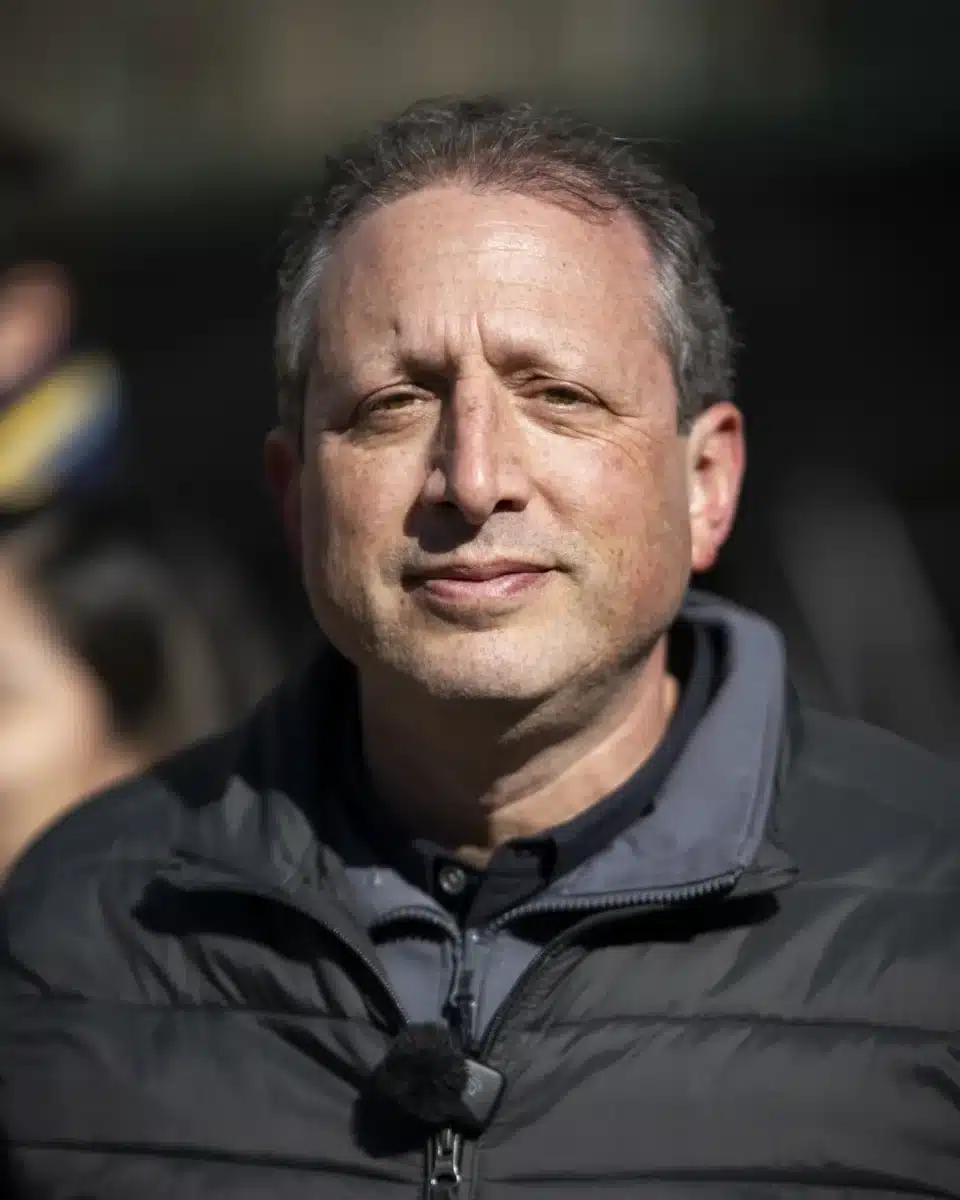
Tierra del Fuego Governor Gustavo Melella launched a debt relief program on September 1, 2026, offering lower interest rates and extended payment terms to families struggling with credit card and personal loan obligations. The initiative marks a sharp divergence from President Javier Milei’s austerity approach to household debt.
The program reduces credit card financing rates by 20 percent for roughly 30,000 customers of the provincial Bank of Tierra del Fuego and cuts personal loan rates by 10 percent, according to Infobea. It also provides financing for health expenses and essential products with up to 10 interest-free installments.
For households already in arrears, the bank will offer restructuring lines for those with delays of up to 60 days, with repayment periods extending to 72 months and grace periods of up to six months. Those with arrears exceeding 60 days and registered with Veraz, Argentina’s credit bureau, can access refinancing plans of up to 10 years, per Infobea.

During the program’s launch in Ushuaia, Río Grande, and Tolhuin, Melella stated that over-indebtedness no longer stems solely from consumer purchases but now threatens families’ basic survival. “Debt has come to consume wages and has come to consume the lives of many Argentines and Argentinas, degrading quality of life,” Melella said, as cited by Infobea. He added that many residents borrow to buy food, pay for medicine, cover rent, or make it to month’s end.
Adrián Cosentino, president of the Bank of Tierra del Fuego, described the situation as “financial asphyxiation” and explained that much of the accumulated debt now reflects essential spending rather than durable goods purchases. The program aims not only to restructure debt but to sustain consumption and provincial economic activity, he said.
A Contrast with Federal Policy
Melella’s relief initiative directly contradicts Milei’s framing of Argentina’s debt crisis. On August 24, 2026, Milei told an audience at the Rosario Chamber of Commerce that families drove up their own debt by purchasing televisions on credit to watch the 2026 World Cup. “They bought televisions for the World Cup, and then they would see if they could pay,” Milei said, as reported by Infobea. He attributed the record delinquency rate to personal spending choices rather than income collapse.
Melella rejected that logic, defending public banking as a tool to counter income erosion. He called on private lenders to adopt similar measures and insisted that the provincial bank must prioritize household relief above purely financial returns.

Part of a Broader Provincial Shift
Melella is not the first governor to counter Milei’s austerity with debt relief. Buenos Aires launched “Ponete al día” with refinancing for delinquent customers and reduced rates up to 72 installments. Córdoba Governor Martín Llaryora unveiled “Alivio Cordobés” for personal loans, credit cards, and family debts tied to essential expenses. The City of Buenos Aires implemented a family and personal debt relief program, and Santa Fe’s governor activated the Plan de Protección de los Ingresos with terms of up to 60 months through the provincial bank, according to Infobea.
The wave of provincial programs reflects mounting household distress across Argentina. In her opening address to the Buenos Aires legislature in March 2026, Governor Axel Kicillof noted that delinquency had tripled in the prior year, according to reporting cited in the Infobea article. These initiatives suggest that some governors view public banks as levers to sustain local economies and protect constituents where federal policy has not.
Sources
- Infobea — detailed account of Melella’s debt relief plan, its terms, the governor’s and bank president’s statements, Milei’s World Cup remarks, and parallel programs in other provinces
- Buenos Aires Herald — background on Tierra del Fuego’s conflict with Milei over tariff elimination and port intervention
- Bloomberg — context on Milei’s austerity impact on Tierra del Fuego’s electronics manufacturing base