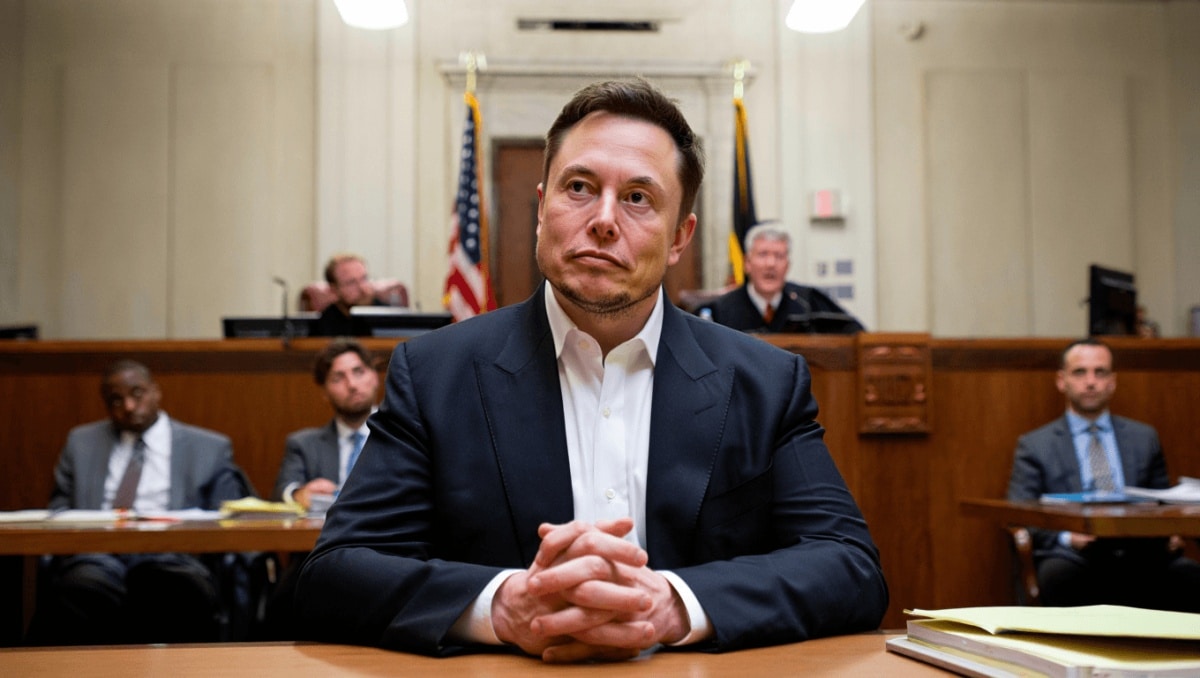
A federal judge has ordered Elon Musk to answer questions under oath about his involvement in dismantling the US Agency for International Development, a move that brings new scrutiny to the private-led team that targeted the agency. The deposition requirement—ordered alongside testimony from two other officials—could shape how courts treat senior private figures who influence government operations.
U.S. District Judge Theodore Chuang issued an eight-page ruling on Tuesday rejecting Musk’s bid to avoid testimony under the so-called apex doctrine, a legal claim that sometimes shields top officials from depositions. The judge found it unclear whether Musk and others could be treated as high-ranking government officials and therefore permitted questioning to proceed.
The deposition demand is part of a lawsuit brought by current and former USAID employees who say they were harmed when the agency’s headquarters and website were shut down. Plaintiffs in the case remain anonymous in filings.
Who the court said must testify
The order names several people the plaintiffs sought to question. In addition to Musk, the judge directed depositions for:
- Peter Marocco, the former acting director at USAID
- Jeremy Lewin, a Department of State official
The court also lists other defendants in the litigation, including Secretary of State Marco Rubio, State Department official Kenneth Jackson, and Amy Gleason, identified in filings as a DOGE administrator.
Chuang noted that many of those involved were serving in informal or acting roles when USAID’s operations were curtailed, and he said the parties failed to show why the agency’s headquarters and website were closed—underscoring the need for live testimony.
Why this matters now
At stake is more than one lawsuit: the ruling tests how far legal protections extend to private individuals who lead or direct government-cutting initiatives. If courts allow depositions of high-profile private figures because their roles were effectively operational, that could expand avenues for accountability.
- Legal exposure: Testimony could reveal decision-making that led to staffing and operational cuts at USAID.
- Precedent: Courts may set a narrower or broader interpretation of who counts as a “high-ranking official” for deposition immunity.
- Policy implications: Administrative practices that rely on informal or acting leaders could face increased scrutiny.
Background filings say the cuts at USAID were part of a broader effort by the Department of Government Efficiency—often referred to as DOGE—to eliminate programs it considered wasteful. According to the complaint, USAID’s staff was reduced drastically, with officials announcing a reduction from roughly 10,000 employees to about 300 and the furlough of many others. Musk publicly stepped back from DOGE in May.
What to watch next
With the judge clearing the way for depositions, scheduling and scope will be key. Discovery could uncover internal communications explaining why USAID’s physical and online operations were shut down, and whether those decisions followed standard administrative processes.
Attorneys for Musk, USAID and the State Department did not provide comment to the news organization handling the original report. The court’s ruling does not decide liability—it simply allows plaintiffs’ lawyers to pursue testimony that may inform their claims.
As the case progresses, the central question will be whether private actors who drive government reorganizations can claim the same protections typically extended to formally appointed senior officials—or whether their informal influence leaves them open to fuller judicial scrutiny.