The CBOE volatility index jumped 5.34% on August 31, 2026, as fresh US-Iran military strikes in the Strait of Hormuz sent oil prices surging and rattled investor confidence in markets already strained by months of Middle East conflict.
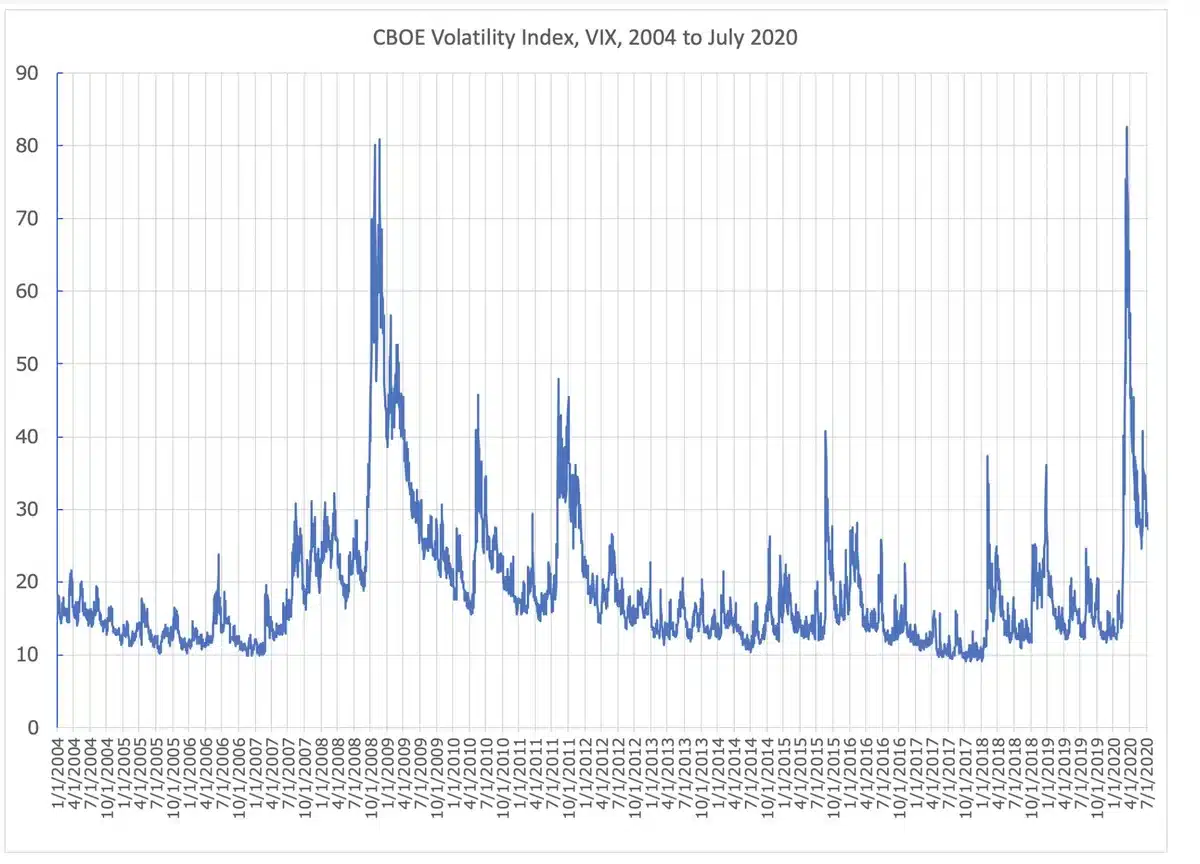
The VIX, Wall Street’s primary gauge of expected near-term market volatility, climbed to $15.20 as geopolitical tensions spiked. Crude oil prices surged 3% to 3.4%, with Brent crude reaching $91.09 a barrel, according to reports from the Commodity Futures Trading Commission and energy analysts monitoring the escalation.
The trading action reflected investor anxiety over supply-chain disruptions and inflation pressures tied to the ongoing conflict. Geopolitical risk drives oil price volatility indirectly through multiple factors—primarily through concerns about supply disruptions from a region that handles a large share of global energy exports. When financial systems face pressure while geopolitical risks are rising, market volatility tends to increase sharply, according to market analysis.
The US and Iran exchanged strikes on August 31 after a ceasefire agreement signed in June 2026 collapsed in mid-August. The conflict began in late February 2026 when US and Israeli forces launched coordinated military operations targeting Iranian military and nuclear sites. Since then, the Strait of Hormuz—a critical chokepoint for global oil shipments—has become a flashpoint for repeated military exchanges.
The VIX had fallen to 14.13 on Friday, its lowest level in 2026, before today’s volatility spike. Broader market indices also felt the pressure: the Dow Jones fell 0.6% as oil prices surged on Iran tensions, while stock futures slipped as Middle East tensions pushed oil higher.
The volatility spike marks the third time this year that geopolitical escalation in the Middle East has driven sharp market moves. In March 2026, when conflict first erupted, the VIX climbed as high as 30 points—a threshold that signals elevated market stress. The current move, while smaller in magnitude, reflects investor concern that the ceasefire breakdown signals a return to active hostilities and renewed supply-chain risk.
Sources
- CBOE — VIX spot price and percentage move on August 31, 2026
- Yahoo Finance — VIX trading action and volatility spike on August 31
- UPI — Oil price surge to $91.09 on August 31 following US-Iran strikes
- Britannica — Timeline of 2026 Iran-US conflict, February start and June ceasefire
- CFR (Council on Foreign Relations) — US and Israel military operations in February 2026
- Science Direct — Mechanism of geopolitical risk driving oil price volatility
- Market analysis sources — Relationship between geopolitical risk and financial market volatility