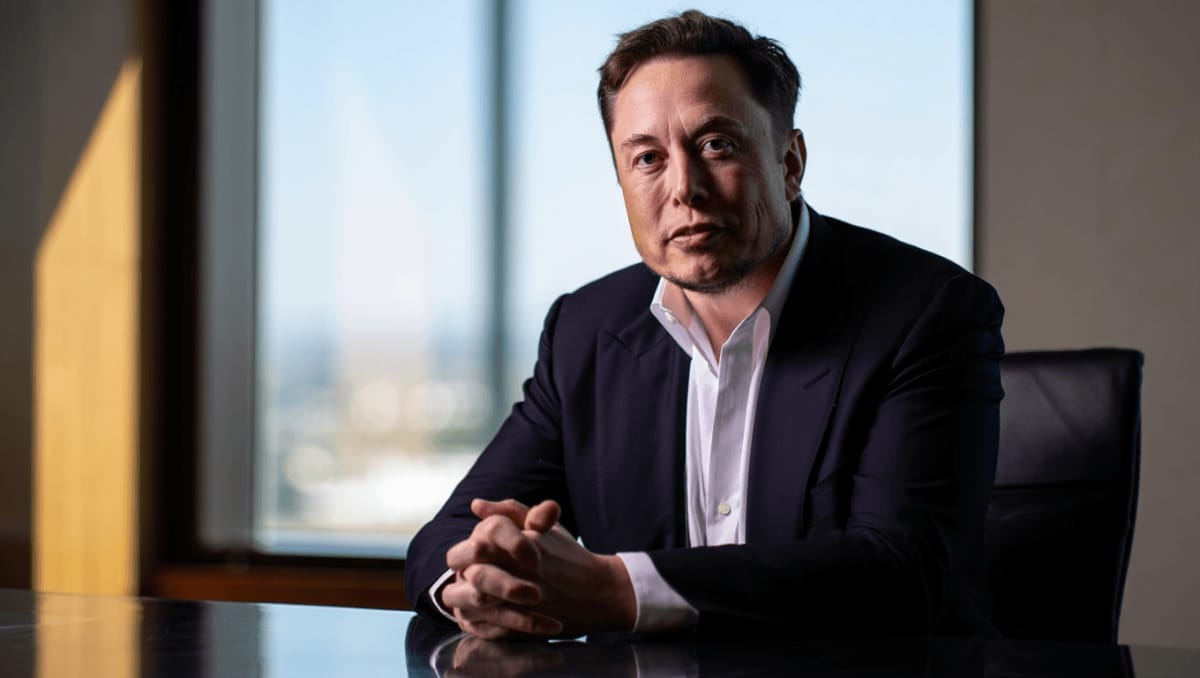
Elon Musk reignited a familiar debate this week when he told followers on X that vast wealth has not made him happier, posting the sentiment alongside a sad-face emoji. The comment arrives as his fortune climbs to historic levels, prompting renewed scrutiny of what money actually buys — and where it falls short.
Musk, who the Bloomberg Billionaires Index values at roughly $668 billion, shared the message on X on Feb. 5, 2026. His net worth has jumped this year amid a higher SpaceX valuation and news of a tie-up with his AI company, XAI — gains that have expanded the gap between him and the next-richest individuals.
Research: more money helps — up to a point
Academic work generally finds that higher income correlates with greater life satisfaction, but experts say the effect weakens as wealth grows. David Bartram, an associate professor of sociology at the University of Leicester, summarizes the pattern as one of diminishing returns: each additional dollar has less impact on reported well‑being once basic financial security is achieved.
A 2021 study by Matthew Killingsworth at the Wharton School concluded that well-being tends to rise with income. Yet Killingsworth’s follow-up analysis, published in 2024, argued the threshold for “enough” income shifts upward as people earn more — meaning the amount needed to move the needle on happiness keeps rising. He told reporters it is plausible that the trend would hold even among the ultrawealthy, though his data did not specifically sample millionaires or billionaires.
Musk himself has discussed the topic beyond social media. In a recent podcast conversation with investor Nikhil Kamath, he framed the issue around contribution: aim to give more than you take and create useful products, he said, rather than chasing money for its own sake.
- Short-term gains: Money relieves hardship, reduces stress about essentials and often raises daily well-being.
- Diminishing returns: After basic and some discretionary needs are met, extra income delivers smaller increases in happiness.
- Ultrawealth dynamics: For billionaires, meaning, relationships and perceived social contribution tend to be more important than more wealth.
The practical implications stretch beyond philosophical debate. For policymakers, the research underlines that boosting incomes at the lower end of the spectrum can yield outsized improvements in population well‑being. For wealthy individuals, it highlights non-financial levers — purpose, social ties, and generosity — as likely routes to greater life satisfaction.
| Source | Key finding | Why it matters now |
|---|---|---|
| Bloomberg Billionaires Index | Places Musk’s net worth near $668 billion | Frames the scale of wealth prompting renewed public interest |
| Killingsworth (2021, 2024) | Income and happiness rise together; threshold for impact shifts higher | Suggests more money helps, but the marginal benefit keeps moving |
| David Bartram (Univ. of Leicester) | Describes the relationship as one of diminishing returns | Offers a social-science lens for interpreting billionaire unhappiness claims |
Musk’s public comment matters because it comes at a moment when inequality, taxation and the social role of the ultrawealthy are high on political and media agendas. Whether or not his tweet signals a personal revelation, it renews a practical question for society: how should resources be balanced between improving broadly shared well‑being and supporting ambitions that may produce wider economic value?
For most people, the takeaway is straightforward: more money typically improves life up to the point where needs and a comfortable margin are met. Beyond that, the evidence points toward non‑monetary factors — purpose, community and the feeling of contributing to others — as stronger predictors of lasting happiness.