The Trump administration’s Justice Department extended executive privilege to private advisers on August 10, 2026, issuing a legal opinion that allows the president to shield communications with outside counselors from congressional subpoenas and legal investigations. The Office of Legal Counsel memo establishes that presidential communications with private advisers—individuals outside the federal government—can claim the same confidentiality protections traditionally reserved for conversations with government officials, so long as three conditions are met.
According to the DOJ memo, executive privilege applies when communications (1) relate to official presidential decisionmaking, (2) involve or reflect communications with the President or his direct advisers, and (3) remain confidential. The opinion argues that restricting privilege to purely intragovernmental communications would “foreclose the President from relying on an array of important sources that he may find necessary to the effective discharge of his responsibilities of office.”

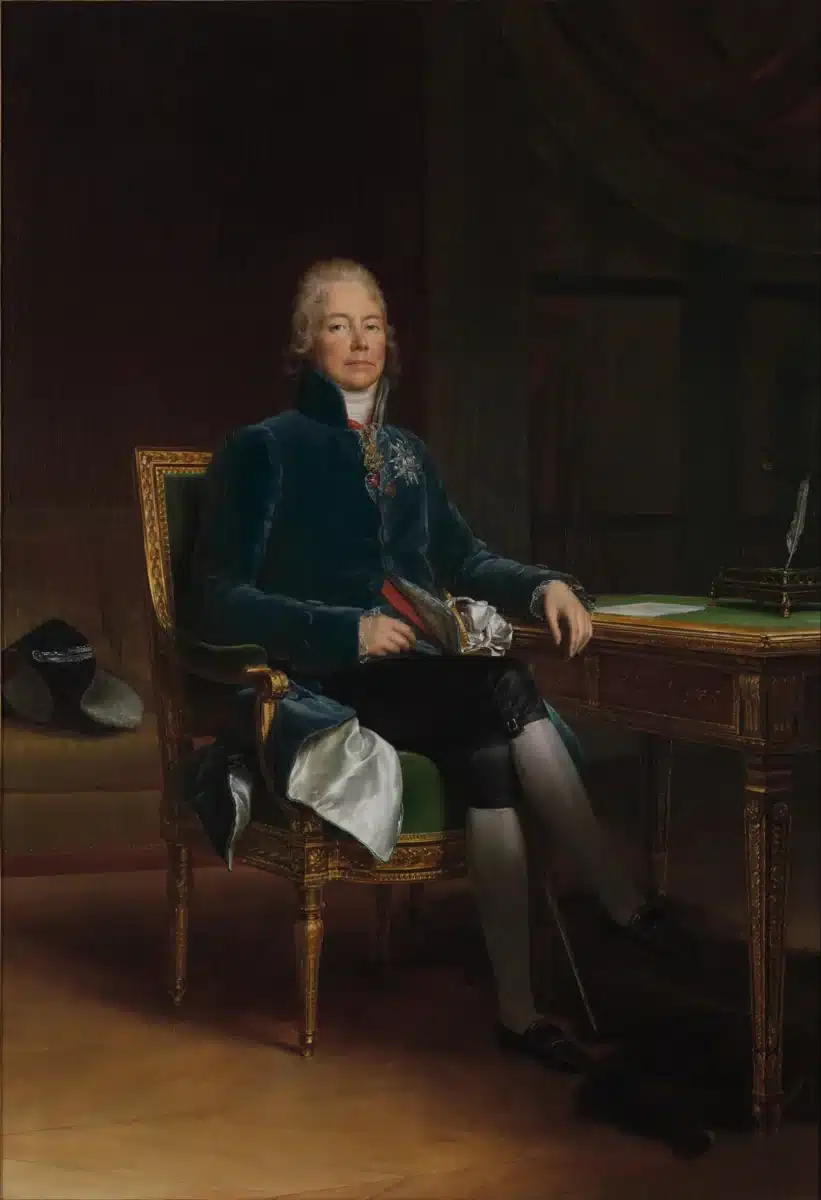
The memo cites historical precedent to justify the expansion, pointing to President Andrew Jackson’s “Kitchen Cabinet”—an informal network of public and private advisers—and President Franklin D. Roosevelt’s “Brain Trust,” a group of academics who shaped New Deal policy. The OLC argues that Presidents have long relied on outside expertise to make informed decisions on complex matters, and that this practice should receive legal protection.
However, legal experts question whether courts will accept such a broad interpretation. Jonathan Shaub, a University of Kentucky law professor and former OLC attorney, told Axios that while the Office of Legal Counsel has historically held a broad view of executive privilege, “this goes beyond anything it’s formally ruled in the past.” Shaub expressed skepticism that courts would ultimately embrace the theory, noting that the OLC’s position has never been litigated directly and that “the understanding was the general public and the courts would never accept this.”
The memo’s release comes as the administration fights an American Bar Association subpoena directed at Boris Epshteyn, Trump’s personal counsel and senior adviser. Epshteyn, who does not work as a government employee, negotiated deals between the White House and major law firms. The DOJ has already invoked executive privilege arguments in court filings, stating that revealing even the identity of whom the President consulted “could chill participation in future deliberations,” undermining the quality of presidential decision-making.
Implications for Congressional Oversight
Democratic Senator Adam Schiff criticized the opinion as a “partisan measure to insulate the president and his corrupt activities from Congressional subpoenas.” The memo could significantly hamper Democratic investigations if they regain control of Congress after the November elections, according to legal analysts. A DOJ official defended the opinion by stating that it “reaffirms the longstanding position of the office going back at least as far as Paul Clement in 2007 and arguably as far back as 1972.”
The Trump administration has intermingled with the private sector in historic ways, maintaining a political orbit that extends far beyond the Cabinet into business, technology, media, and the president’s family network. The executive privilege memo provides legal scaffolding for shielding communications with this constellation of outside advisers from public and congressional scrutiny. Shaub noted that while the opinion could create a roadblock for lawmakers seeking information from private parties, it applies only to communications relating to official presidential duties—investigations into matters like Trump’s cryptocurrency holdings and financial dealings may prove harder to defend as privileged.
The DOJ’s legal argument hinges on the principle that candid advice from trusted counselors serves the public interest. The memo states that private advisers “may be reluctant to provide advice on controversial or unpopular policies based on a fear of public disclosure or potential ramifications for their personal endeavors.” Yet critics contend that extending privilege to outsiders who lack government accountability creates a shield for potential wrongdoing. The question of whether courts will ultimately accept the OLC’s theory remains untested, as no court has previously ruled on whether executive privilege extends to private advisers in this manner.
Sources
- U.S. Department of Justice — DOJ Office of Legal Counsel memo on “Applicability of Executive Privilege to Presidential Communications with Private Advisers,” issued August 10, 2026
- Axios — reporting on the DOJ memo, its implications for Democratic investigations, and expert analysis from Jonathan Shaub
- CNN — coverage of the memo’s scope, historical precedents cited, and its application to the Boris Epshteyn case
- CBS News — reporting on Trump’s outside advisers and the ABA subpoena dispute