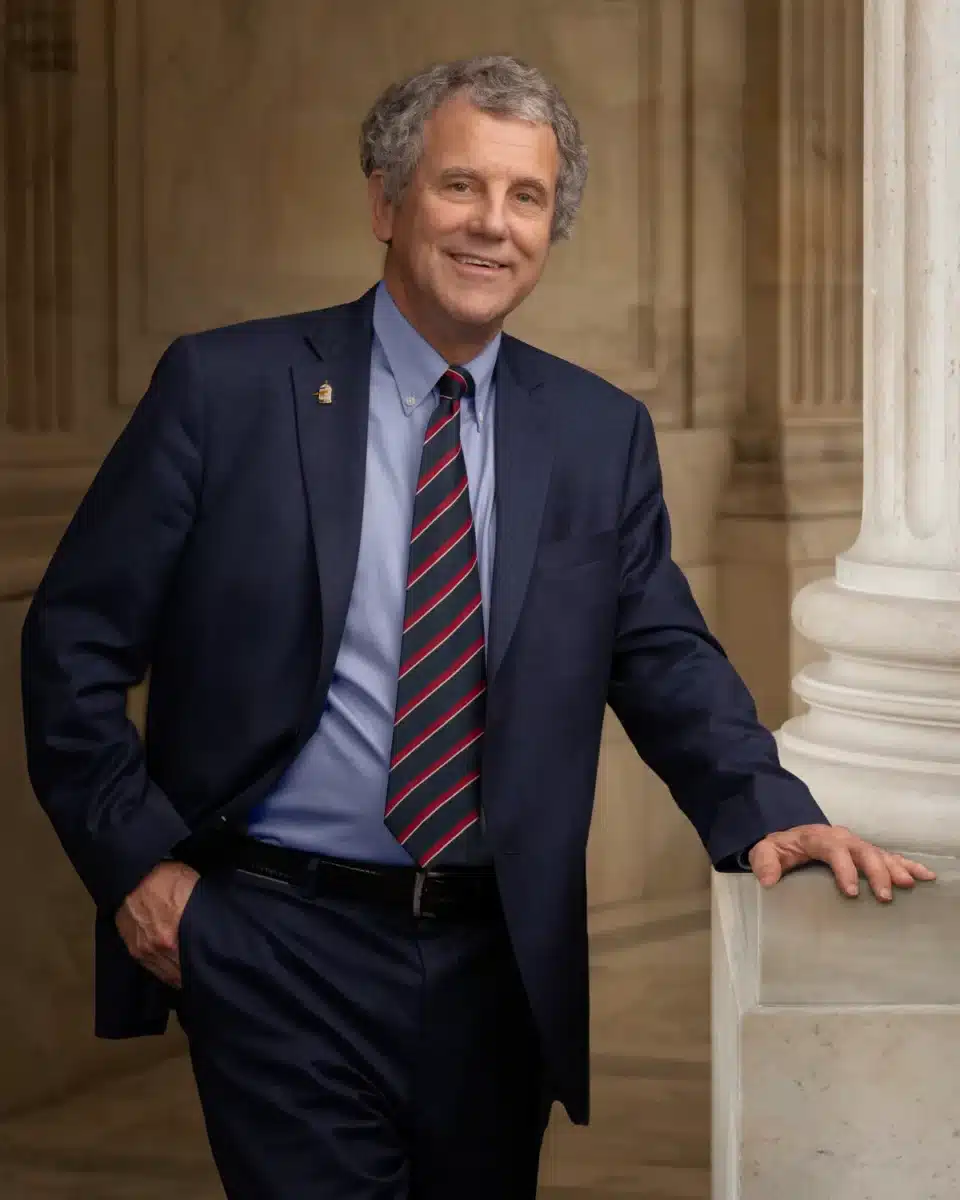
President Trump’s 50 percent tariffs on roughly $20 billion in Canadian goods have divided Republicans, with some senators warning the trade war will raise costs for consumers while others back the administration’s hardline stance against Canada.
The tariffs took effect over the weekend after trade negotiations between the U.S. and Canada collapsed, prompting Canadian Prime Minister Mark Carney to announce retaliatory tariffs beginning September 8 on steel, dairy, appliances, agricultural equipment, pulp, paper, and electronics. Trump then threatened Monday to impose an additional 50 percent tariff on cars, trucks, auto parts and steel from Canada starting January 1, 2027.

Sen. Susan Collins (R-Maine) became one of the most vocal Republican critics, calling the tariffs “a mistake” in an interview with News Center Maine. Collins warned that if Canadian goods return “with a huge tariff on it, perhaps as much as 50 percent, that increases the cost of eating, building homes, and our best-known products.”
Maine imports approximately $2 billion in nonpetroleum products from Canada annually, according to Collins. The senator said she has heard from businesses, farmers, and lobstermen expressing concern about navigating the tariffs and the likely impact of Canadian retaliation. “The on-again/off-again trade talks between the U.S. and Canada lead to higher costs, risk, and uncertainty for Maine businesses,” Collins wrote on social media Saturday.
Not all Republicans share Collins’ concerns. Sen. Bernie Moreno (R-Ohio) defended Trump’s position, arguing on social media that “Canada’s economy only exists by stealing American jobs,” and praised the president for taking a harder line. U.S. Trade Representative Jamieson Greer, a Trump appointee, called Canada’s retaliatory move a “missed opportunity” and criticized Canadian leaders for what he characterized as prolonged unfair treatment of American interests.
The split reflects a broader Republican tension between free-trade conservatives and Trump’s protectionist approach. In February 2026, six House Republicans voted with Democrats to pass a resolution to repeal Trump’s Canada tariffs. In April 2025, four Republican senators—Rand Paul (Ky.), Susan Collins (Maine), Lisa Murkowski (Alaska), and Mitch McConnell (Ky.)—voted with Democrats on a similar measure, though it did not pass both chambers.
Collins faces a tough reelection race in November and has made clear she believes the U.S. and Canada have a mutually beneficial relationship that should not be jeopardized. She recently met with Canada’s ambassador to the United States and urged him to address what she called trade barriers against U.S. dairy imports, signaling a preference for negotiation over escalation.
The tariff dispute marks the latest chapter in Trump’s broader trade war strategy. Earlier in August, Trump waived ground beef tariffs for 90 days after pressure from agricultural interests, showing some willingness to modify his approach when domestic constituencies object. However, his threat of further tariffs on automotive goods—a sector critical to U.S. manufacturing—suggests the administration intends to maintain pressure on Canada throughout the coming months.
Sources
- The Hill — Susan Collins’ statements opposing the tariffs and concerns about Maine’s economy; Bernie Moreno’s support for Trump’s position; Jamieson Greer’s defense of the tariffs.
- Reuters — Confirmation of the 50% tariffs on $20 billion in Canadian goods and the collapse of trade talks.
- Washington Post — Canadian retaliatory tariffs beginning Sept. 8 on steel, dairy, appliances, and other products.
- New York Times — Trump’s threat of additional 50% tariffs on cars, trucks, auto parts and steel effective Jan. 1, 2027.
- PBS NewsHour — Details on the scope of the tariffs and Canadian retaliation.
- NBC News — Coverage of trade negotiations collapse and tariff implementation.
- News Center Maine — Susan Collins’ interview detailing Maine-specific impacts.