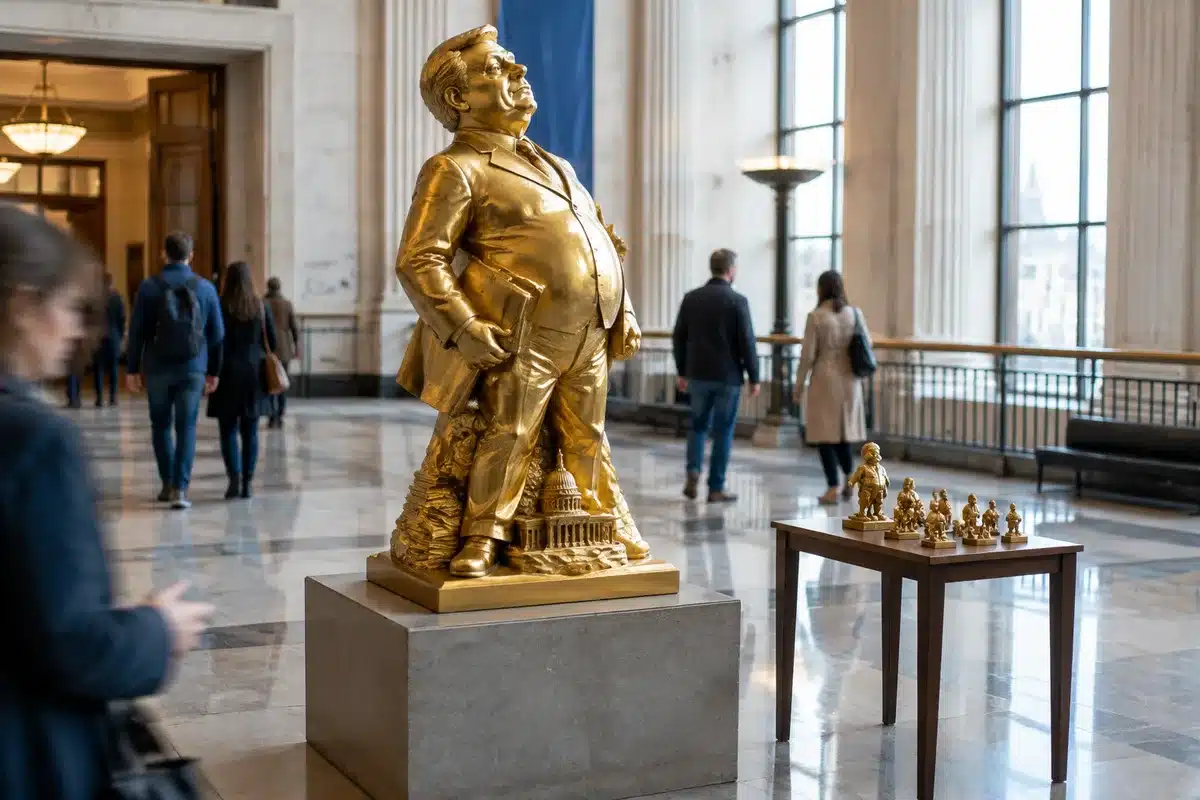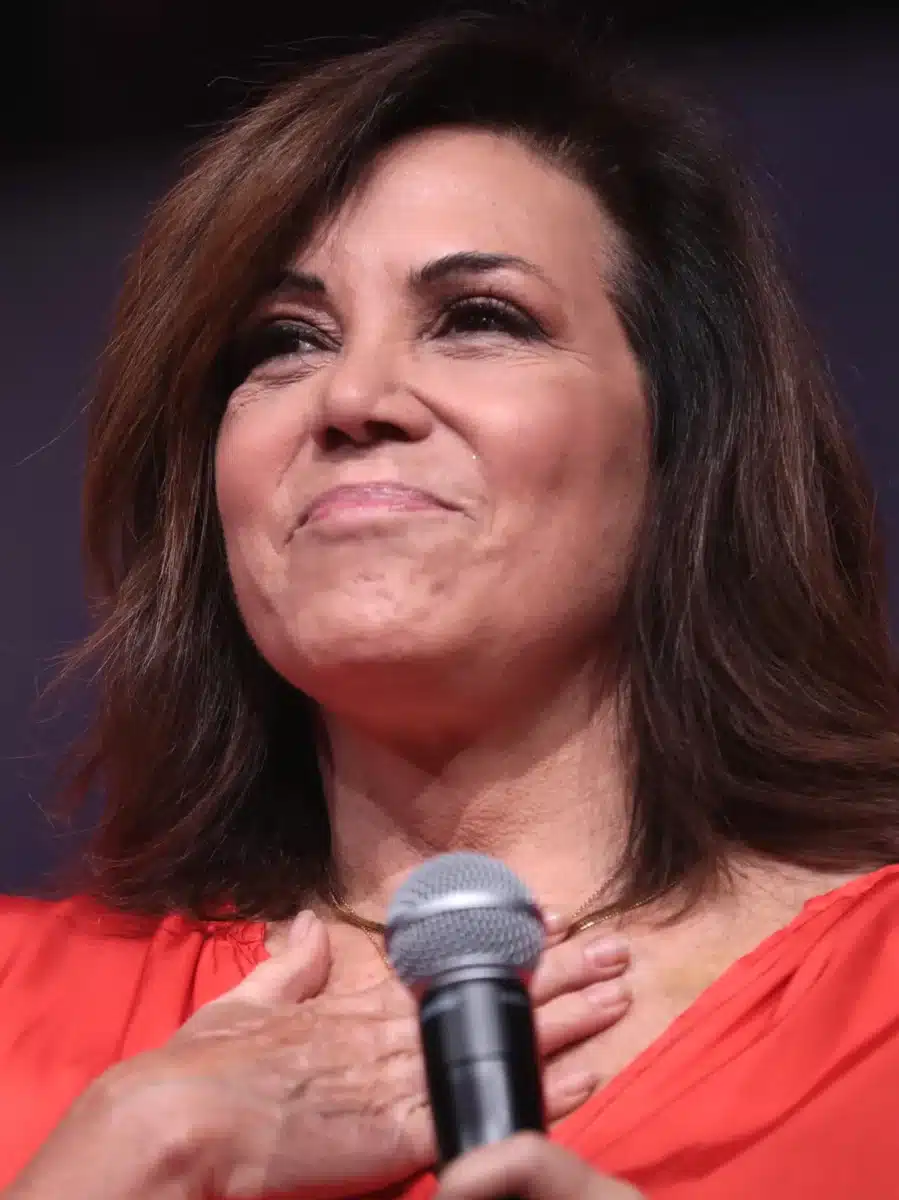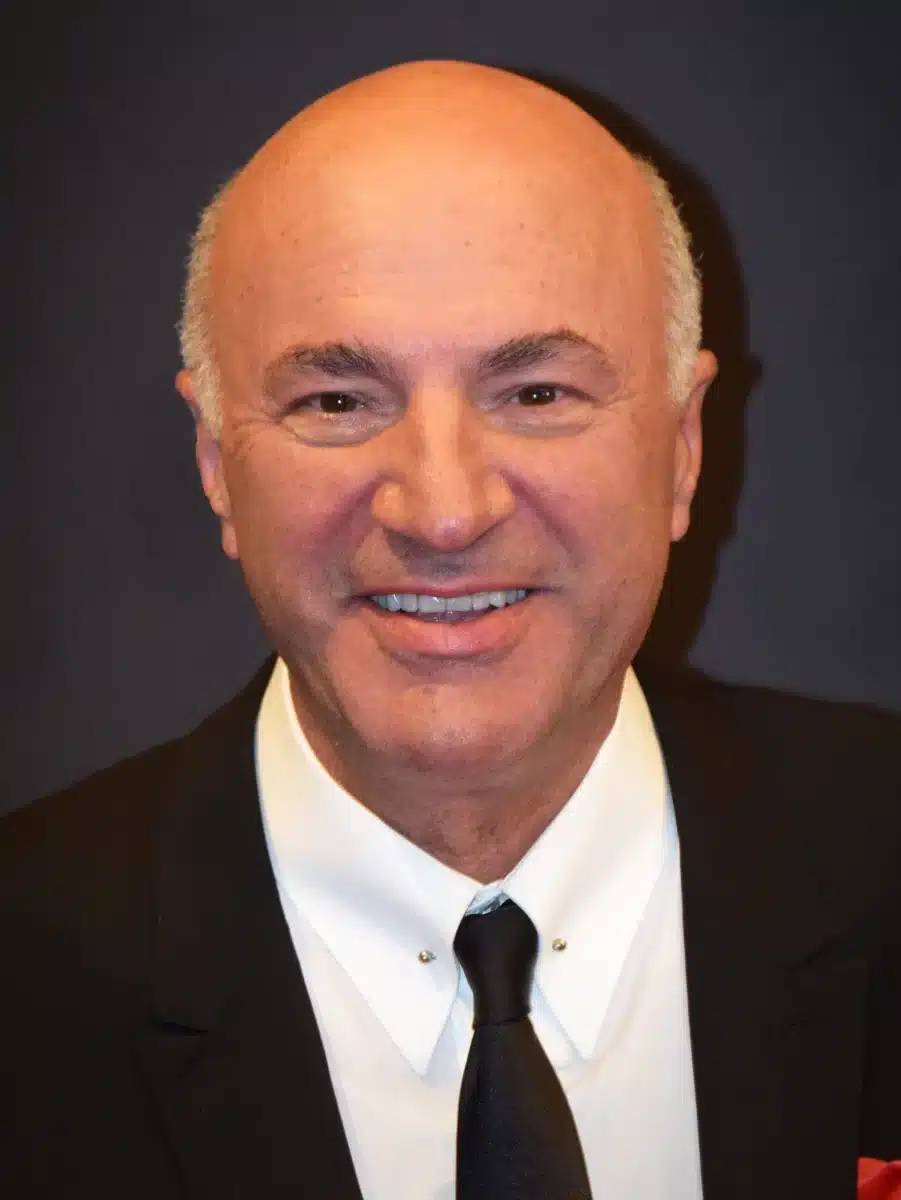
Kevin O’Leary acknowledged communication failures surrounding his proposed Stratos data center in Box Elder County, Utah, and pledged greater transparency as the project faces mounting public opposition and political pressure. The “Shark Tank” investor told NewsNation that the industry as a whole has “screwed up” in how it has explained data centers to communities.
“I believe in just being straightforward, transparent and honest,” O’Leary said in an interview published August 23. He added that he and others in the industry have not adequately explained how data centers operate and what economic benefits they bring to local areas.
O’Leary’s admission marks a significant shift from his earlier stance. In May, he had called backlash against the project “kind of hypocritical,” but by mid-August he was apologizing to Box Elder residents and committing to release detailed plans for a one-gigawatt facility showing its heat, light, noise, and water profile. “We have not properly communicated what we do,” he said in a video posted to social media on August 15. “I have no interest in causing an environmental disaster on my legacy. That’s never going to happen.”
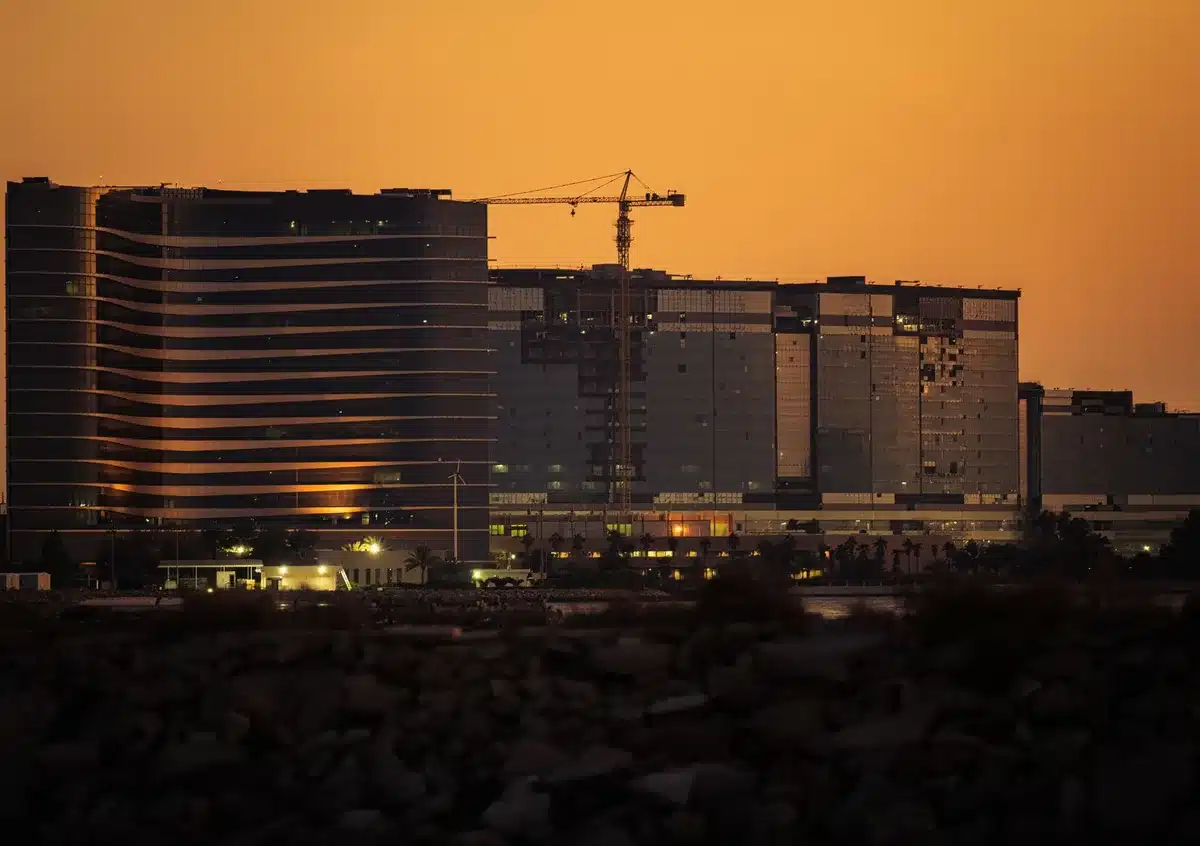
The original Stratos project proposal was enormous in scope—covering 40,000 acres and requiring up to 9 gigawatts of power to operate. The plan triggered fierce opposition from residents, environmental groups, and state lawmakers. In June, Utah Senate President J. Stuart Adams sent O’Leary a letter publicly calling for a 75% reduction in the project’s footprint, from 40,000 acres to approximately 10,000 acres, along with demands for greater environmental protections and transparency. O’Leary subsequently agreed to scale back the development, though a finalized size has not yet been confirmed.
The Utah controversy reflects a nationwide backlash against AI data center development. According to Brookings Institution analysis, the first three months of 2026 saw local opposition block or delay 75 projects worth roughly $130 billion in planned construction—nearly matching the total number of projects affected throughout all of 2025. A May Gallup survey found that 71% of Americans oppose building data centers in their local area, including 48% who strongly object.
The political fallout has been substantial. When Utah Senate President Adams called for the 75% reduction, he faced significant political consequences—he lost his primary election in June, an outcome observers linked directly to the data center controversy. The issue has emerged as a rare bipartisan concern, with both Republican and Democratic lawmakers warning about the concentration of power in a handful of technology companies and the need for greater democratic oversight of AI infrastructure.
O’Leary has signaled he intends to move forward with a scaled-down version of the project. In a statement shared on LinkedIn, he wrote that “data center developers have to earn the trust of the communities where we build, and that starts with complete transparency.” He acknowledged that his team has “work to do to earn the community’s support,” but said the facts about water use, power consumption, jobs, and tax revenue would be made public.
Sources
- NewsNation — Kevin O’Leary’s admission of industry communication failures and commitment to transparency (August 23, 2026)
- Benzinga — O’Leary’s acknowledgment of poor communication and pledge to release one-gigawatt facility plans with detailed environmental profiles (August 19, 2026)
- Business Insider — O’Leary’s statement that he “messed up” messaging and plans for greater transparency with Box Elder residents (August 9, 2026)
- Utah Senate — President J. Stuart Adams’ official letter calling for 75% reduction from 40,000 to 10,000 acres with specific environmental conditions (June 1, 2026)
- Brookings Institution — Data showing 75 projects worth $130 billion blocked or delayed in Q1 2026, and analysis of data center backlash as political issue (July 7, 2026)
- Gallup — Survey finding 71% of Americans oppose AI data center construction in their local area (May 2026)